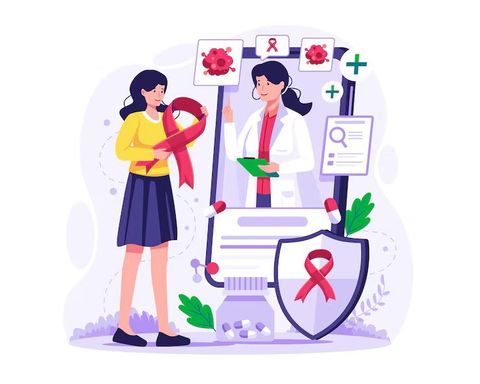
HIV treatments exist to manage the virus, reduce its impact on the immune system, and help people maintain long-term health. These treatments do not cure HIV, but they control how the virus behaves in the body. Modern HIV treatment focuses on long-term management, allowing individuals to live active and productive lives.
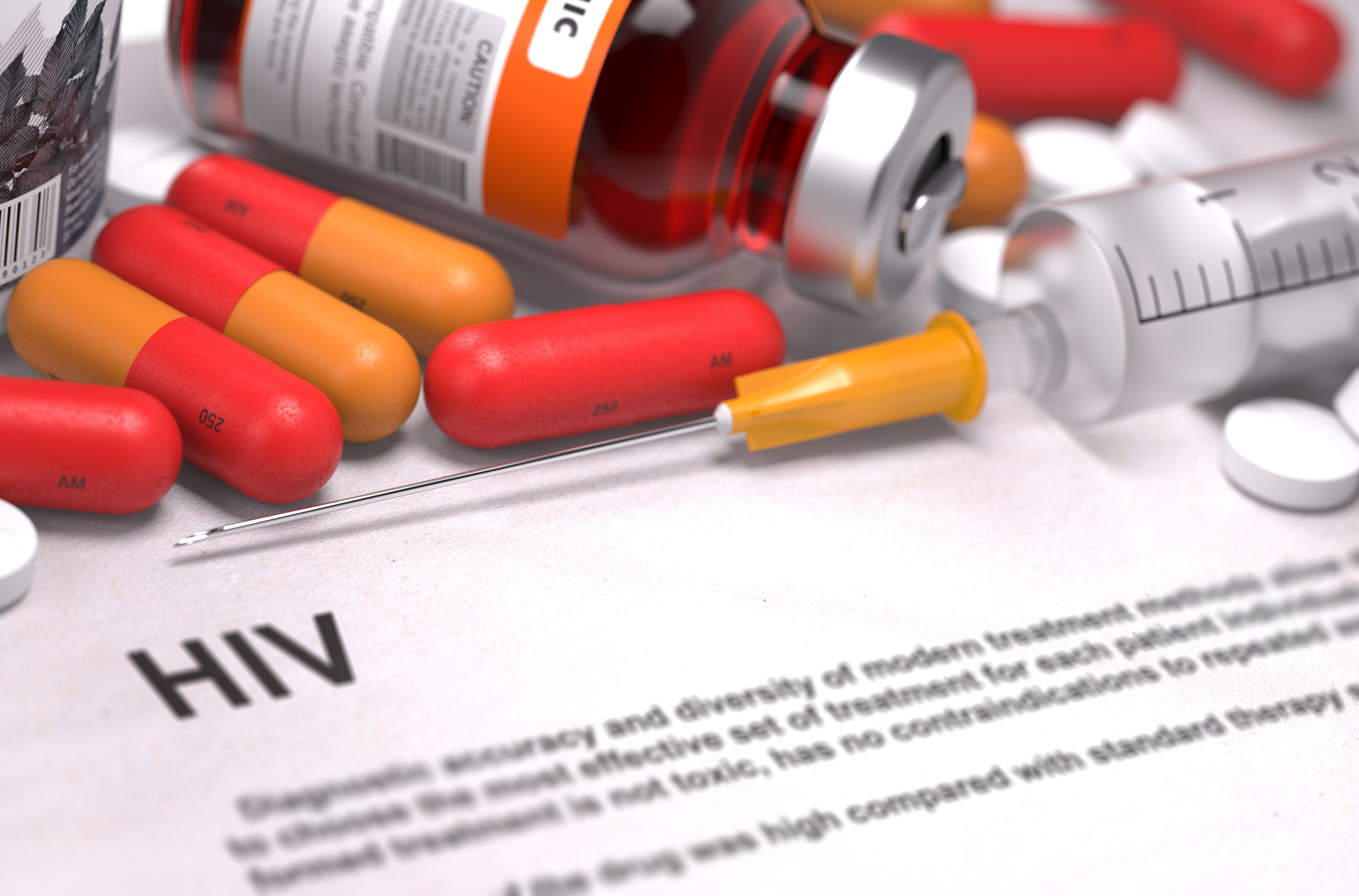
HIV treatment programs were developed in response to the global spread of the virus and the need to reduce illness, deaths, and transmission. Over the years, scientific research has improved treatment effectiveness, safety, and accessibility.
Today, HIV is considered a manageable chronic condition when treated properly, rather than a life-limiting illness.
Importance
HIV treatment remains an important public health topic due to its impact on individuals, families, healthcare systems, and communities.
Why HIV treatment matters today
-
HIV continues to affect millions of people worldwide
-
Early treatment helps protect the immune system
-
Treatment reduces the risk of HIV transmission
-
Long-term care improves quality of life
Without treatment, HIV can lead to serious infections and health complications. With treatment, many people can maintain normal immune function and life expectancy.
Who HIV treatment affects
HIV treatment is important for:
-
People living with HIV
-
Families and caregivers
-
Healthcare professionals
-
Public health systems
-
Communities working on disease prevention
Problems HIV treatments help solve
| Health Challenge | How Treatment Helps |
|---|---|
| Weak immune system | Supports immune recovery |
| High viral load | Reduces virus levels |
| Risk of infections | Lowers complication risk |
| Transmission risk | Helps prevent spread |
Effective treatment also helps reduce stigma by enabling people with HIV to live healthy and socially active lives.
Recent Updates
HIV treatment continues to evolve based on medical research, public health priorities, and global health initiatives.
Key developments in the past year
-
2024–2025: Expanded use of long-acting treatments
Some HIV treatments now include long-acting injectable options that reduce the need for daily pills for certain patients. -
2025: Improved treatment guidelines
Updated clinical guidelines emphasize early diagnosis and immediate treatment initiation after HIV confirmation. -
Late 2024: Focus on treatment adherence tools
Digital health tools and reminder systems are being promoted to help people stay consistent with treatment. -
Ongoing: Integration with primary healthcare
HIV care is increasingly integrated into general health services to improve access and reduce stigma.
Treatment progress overview
| Area | Progress |
|---|---|
| Medication effectiveness | High viral suppression |
| Side-effect management | Improved tolerability |
| Access to treatment | Wider availability |
| Patient support | Better follow-up care |
These updates reflect a shift toward patient-friendly and long-term care approaches.
Laws or Policies
HIV treatment is supported and regulated through national health policies, legal protections, and government programs. In India, HIV care is managed under structured public health initiatives.
HIV-related policies in India
-
National AIDS Control Programme (NACP)
Provides free HIV testing, treatment, and counseling services through government facilities. -
HIV and AIDS (Prevention and Control) Act, 2017
Protects the rights of people living with HIV and prohibits discrimination in healthcare, employment, and education. -
Free Antiretroviral Therapy (ART) services
ART is available at designated centers across the country. -
Confidentiality protections
Medical information related to HIV status must be kept confidential under law.
Policy impact overview
| Policy Area | Effect |
|---|---|
| Treatment access | Improved availability |
| Legal protection | Reduced discrimination |
| Public awareness | Increased testing |
| Long-term care | Structured follow-up |
These laws and programs aim to ensure equitable, safe, and respectful healthcare access.
Tools and Resources
Several tools and resources support people living with HIV, caregivers, and healthcare providers in managing treatment and maintaining health.
Helpful tools and services
-
ART Centers
Government-supported facilities offering HIV treatment and monitoring -
HIV testing services
Available through hospitals, clinics, and community programs -
Treatment adherence apps
Help users track medication schedules and appointments -
Educational health portals
Provide reliable information about HIV care and prevention -
Counseling and support services
Mental health and social support resources for individuals and families
Common monitoring indicators
| Indicator | Purpose |
|---|---|
| CD4 count | Measures immune strength |
| Viral load | Tracks treatment effectiveness |
| Regular check-ups | Monitors overall health |
| Counseling sessions | Supports mental well-being |
These tools help ensure consistent care and informed decision-making.
FAQs
What is the main goal of HIV treatment?
The main goal is to reduce the amount of virus in the body, protect the immune system, and prevent HIV-related illnesses.
Can people with HIV live a normal life?
With proper treatment and regular medical care, many people with HIV can live long, healthy, and active lives.
Does HIV treatment stop transmission?
Effective treatment that maintains a very low viral load significantly reduces the risk of transmission, according to medical evidence.
Are HIV treatments safe for long-term use?
Modern HIV treatments are designed for long-term use and are regularly monitored by healthcare professionals to manage side effects.
Is HIV treatment available for free in India?
Yes. Free HIV testing and treatment services are available through government ART centers under national health programs.
Final Thoughts
HIV treatments play a critical role in improving health outcomes and quality of life for people living with HIV. Advances in medicine, supportive policies, and public health programs have transformed HIV from a life-threatening condition into a manageable chronic illness for many individuals.
While treatment is highly effective, ongoing awareness, early diagnosis, and consistent medical care remain essential. Education and access to reliable resources help reduce stigma and support healthier communities.
By understanding how HIV treatments work and the systems that support them, individuals and families can make informed decisions and approach HIV care with clarity and confidence.
Disclaimer: The information provided in this article is for informational purposes only. We do not make any claims or guarantees regarding the accuracy, reliability, or completeness of the information presented. The content is not intended as professional advice and should not be relied upon as such. Readers are encouraged to conduct their own research and consult with appropriate professionals before making any decisions based on the information provided in this article.