A Complete Guide to Understanding Help Desk Software for Customer Support Management
Help desk software is a digital platform used by organizations to manage customer support requests, technical issues, and service inquiries. It acts as a central system where support teams can receive, track, organize, and resolve customer concerns through structured workflows.
The concept of help desk systems developed as businesses began receiving increasing numbers of customer inquiries through different communication channels such as email, phone calls, websites, and messaging platforms. Without a structured system, managing large volumes of requests can become difficult and lead to delays or lost information.
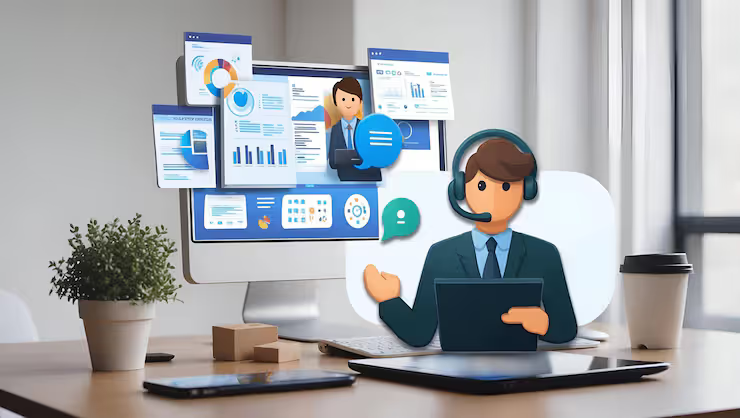
Help desk software addresses this challenge by converting incoming requests into support tickets. Each ticket represents a customer issue or question that needs attention. These tickets are assigned to support agents, tracked through different stages of resolution, and stored for future reference.
A typical help desk system includes several core components:
-
Ticket management system
-
Customer communication tools
-
Knowledge base for self-service support
-
Reporting and analytics features
-
Workflow automation tools
The following table explains the key elements of help desk software.
| Component | Function |
|---|---|
| Ticket System | Tracks customer requests and issues |
| Communication Channels | Manages messages from email, chat, or web forms |
| Knowledge Base | Stores support articles and guides |
| Automation Tools | Assigns and prioritizes tickets |
| Reporting Dashboard | Provides performance insights |
Help desk software exists to streamline customer support operations and ensure that inquiries are addressed in a structured and organized manner.
Importance: Why Help Desk Software Matters Today
Customer support has become an essential part of modern business operations. Organizations interact with customers through multiple digital platforms, and timely responses play a significant role in maintaining trust and satisfaction.
Help desk software helps organizations manage these interactions more efficiently by centralizing communication and organizing support tasks. Instead of relying on scattered emails or manual tracking methods, support teams can use a unified platform to manage all incoming requests.
Several groups benefit from help desk software.
Customer Support Teams
Support agents use help desk systems to track requests, communicate with customers, and document solutions.
IT Support Departments
Internal help desk platforms help employees report technical issues related to hardware, software, or network systems.
Businesses and Service Providers
Companies use help desk platforms to maintain organized customer communication and service records.
Customers and End Users
Customers benefit from structured support systems that provide clear responses and faster resolution of issues.
The following table highlights common customer support challenges and how help desk software helps address them.
| Support Challenge | Help Desk Software Solution |
|---|---|
| Large number of customer inquiries | Centralized ticket management |
| Missed or delayed responses | Automated ticket assignment |
| Lack of service history | Organized ticket records |
| Difficulty tracking performance | Analytics and reporting tools |
| Repetitive customer questions | Knowledge base and self-service resources |
Another important advantage is transparency. Support teams can track the status of each request, ensuring that no issues are overlooked. Managers can also analyze support data to identify trends and improve service processes.
In addition, help desk software supports collaboration among team members. Multiple agents can work together on complex issues while maintaining clear communication and documentation.
Recent Updates and Industry Trends
Customer support technology has evolved significantly in recent years. During 2024 and early 2025, several new developments influenced the design and capabilities of help desk platforms.
Artificial intelligence integration has become increasingly common. Many help desk systems now include AI-powered chat assistants that help answer common questions or guide users through troubleshooting steps.
Automation tools have also expanded. Automated workflows can categorize tickets, assign them to appropriate departments, and prioritize urgent requests without manual intervention.
Another emerging trend is omnichannel support. Modern help desk platforms allow organizations to manage customer interactions across multiple communication channels within a single interface.
Remote support capabilities have also improved. With distributed work environments becoming more common, cloud-based help desk platforms allow support teams to access systems from different locations.
The following table summarizes recent trends in help desk technology.
| Trend | Description | Industry Impact |
|---|---|---|
| AI-Powered Support Tools | Automated assistance for common inquiries | Improved response efficiency |
| Workflow Automation | Automated ticket routing and prioritization | Reduced manual workload |
| Omnichannel Communication | Integration of email, chat, and messaging platforms | Unified customer interaction management |
| Cloud-Based Platforms | Remote access to support systems | Increased operational flexibility |
| Data Analytics Integration | Performance insights from support data | Better service improvement strategies |
These developments reflect the growing importance of technology in improving customer support operations.
Laws and Policies Affecting Customer Support Systems
Help desk systems often process personal information such as names, contact details, and communication records. As a result, organizations must comply with various legal and regulatory requirements related to data protection and consumer rights.
Data Protection Regulations
Many countries have introduced privacy laws that regulate how organizations collect, store, and process personal data. Help desk systems must follow these regulations to protect customer information.
Consumer Protection Policies
Customer support processes may be influenced by consumer protection laws that require businesses to respond to complaints and provide transparent communication.
Digital Communication Compliance
Companies must follow rules regarding electronic communication and record management when handling customer interactions.
Cybersecurity Standards
Help desk platforms must implement secure authentication, encryption, and access control mechanisms to protect sensitive data.
Government Digital Service Guidelines
Public institutions and government agencies often follow specific guidelines when implementing help desk systems for citizen support services.
Organizations using help desk software may be required to maintain policies related to:
-
Data privacy and user consent
-
Secure storage of customer information
-
Incident reporting procedures
-
Transparency in customer communication
These legal frameworks ensure that customer support systems operate responsibly and protect user data.
Tools and Resources Used with Help Desk Systems
Several tools and resources support help desk operations and enhance customer service management.
Help Desk Platforms
-
Customer support management systems
-
IT service desk platforms
-
Cloud-based support ticket tools
Communication Tools
-
Email integration systems
-
Live chat platforms
-
Messaging and collaboration tools
Knowledge Management Systems
-
Online help centers
-
Documentation platforms
-
Self-service support portals
Analytics and Reporting Tools
-
Customer support dashboards
-
Performance monitoring systems
-
Data visualization tools
Training and Support Resources
-
Customer service training programs
-
IT support certification courses
-
Knowledge sharing platforms
The following table summarizes categories of resources used in help desk environments.
| Resource Category | Purpose |
|---|---|
| Help Desk Platforms | Manage support requests and tickets |
| Communication Tools | Interact with customers across channels |
| Knowledge Management Systems | Provide self-service information |
| Analytics Tools | Monitor support performance |
| Training Resources | Improve service skills and system knowledge |
These tools help organizations build structured and effective customer support systems.
FAQs About Help Desk Software
What is help desk software used for?
Help desk software is used to manage customer support requests by organizing inquiries into trackable tickets and helping support teams resolve issues efficiently.
How does a ticketing system work?
A ticketing system records each customer request as a ticket that includes details such as the issue description, communication history, and resolution status.
Can help desk software support multiple communication channels?
Yes, many modern systems support communication through email, live chat, web forms, and messaging platforms within a single platform.
What is a knowledge base in help desk software?
A knowledge base is a collection of articles, guides, and troubleshooting instructions that help customers find answers to common questions without contacting support.
Is help desk software used only for customer support?
No, organizations also use help desk systems for internal technical support, employee service requests, and IT issue management.
Final Thoughts
Help desk software plays an important role in managing customer support operations in modern organizations. By organizing requests into structured workflows, these systems help support teams respond to inquiries efficiently and maintain clear communication with users.
Technological advancements such as automation, artificial intelligence, and cloud-based platforms continue to expand the capabilities of help desk systems. At the same time, regulatory frameworks ensure that customer data is handled responsibly and securely.

You may also like...

How Video Ads Help Businesses Capture Attention and Increase Conversions
Last Update: March 02, 2026
Read
A Complete Guide to Understanding Help Desk Software for Customer Support Management
Last Update: March 09, 2026
Read
How Video Generator AI Helps You Create Engaging Videos Without Technical Skills
Last Update: March 03, 2026
Read