CRM Data Cleanup and Segmentation Strategies to Strengthen Customer Relationships
Customer Relationship Management systems, commonly called CRMs, are designed to collect, organize, and maintain information about customers and prospects. Over time, however, CRM databases naturally accumulate outdated, duplicate, incomplete, or inconsistent records. CRM data cleanup refers to the structured process of reviewing, correcting, merging, and removing inaccurate data so that customer records remain reliable and usable.
Segmentation is the practice of grouping customers based on shared characteristics such as behavior, demographics, purchase patterns, or engagement history. When segmentation is built on clean data, it allows organizations to understand customer needs more clearly and communicate in a more organized and relevant way.
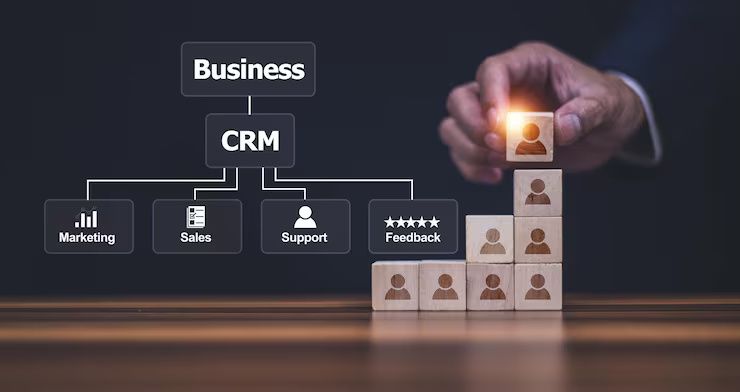
These practices exist because customer databases are dynamic. People change email addresses, businesses evolve, and interactions occur across multiple platforms. Without ongoing cleanup and segmentation, CRM systems can become cluttered, making it difficult to extract meaningful insights. By maintaining structured records and logical groupings, organizations can keep their CRM systems aligned with real-world customer relationships.
Importance
CRM data cleanup and segmentation matter today because organizations rely heavily on accurate customer information to guide decisions. Whether a business is managing customer service, outreach, or reporting, the quality of the underlying data influences the outcome.
These strategies affect a broad range of users:
Small businesses managing growing contact lists
Customer support teams handling service histories
Marketing teams coordinating communication
Organizations tracking long-term customer engagement
One of the most common problems addressed by cleanup is data duplication. Multiple records for the same person can lead to confusion, repeated communication, or incomplete service histories. Inaccurate segmentation can also result in irrelevant messaging or missed opportunities to understand customer behavior.
When cleanup and segmentation are performed regularly, organizations benefit from:
Clear and unified customer profiles
More accurate reporting and forecasting
Reduced operational errors
Better internal collaboration
The table below illustrates how data quality directly affects CRM outcomes:
| Data Condition | Operational Impact |
|---|---|
| Duplicate records | Conflicting communication history |
| Missing information | Incomplete customer understanding |
| Outdated contacts | Failed outreach attempts |
| Structured segmentation | Clear targeting and analysis |
Maintaining clean, segmented data supports informed decision-making without requiring advanced technical systems.
Recent Updates
Over the past year, CRM platforms have introduced updates focused on automation, data governance, and intelligent segmentation. Between mid-2025 and early 2026, several CRM vendors expanded built-in duplicate detection tools and automated validation workflows to reduce manual cleanup tasks.
Artificial intelligence features have also become more integrated into segmentation workflows. Updates released in late 2025 emphasized pattern recognition, helping organizations identify natural customer clusters based on behavior rather than relying solely on manual tagging.
Another notable trend has been increased emphasis on real-time synchronization. CRM providers improved integrations with email systems, ecommerce platforms, and customer service tools during 2025, allowing customer records to update automatically as new interactions occur.
The following summary table highlights major areas of recent CRM development:
| Update Area | Practical Effect |
|---|---|
| Automated duplicate detection | Faster cleanup cycles |
| AI-assisted segmentation | Improved grouping accuracy |
| Real-time syncing | Consistent cross-platform data |
| Validation workflows | Fewer entry errors |
These developments indicate a broader shift toward maintaining data accuracy continuously rather than relying only on periodic audits.
Laws or Policies
CRM data cleanup and segmentation are closely connected to data protection and privacy regulations. Because CRMs store personal information, organizations must handle data responsibly and transparently.
In India, the Digital Personal Data Protection Act (DPDP Act) outlines requirements for consent, purpose limitation, and data security. CRM cleanup processes must ensure that outdated or unnecessary personal data is not retained beyond legitimate use. Segmentation practices must also respect consent boundaries and avoid misuse of personal information.
Organizations operating internationally may also consider frameworks such as the General Data Protection Regulation (GDPR) in the European Union, which grants individuals rights related to access, correction, and deletion of personal data.
CRM systems can support regulatory alignment through:
Audit trails for record changes
Consent tracking fields
Data retention controls
Access permissions by role
Compliance depends on how organizations configure and apply these tools, but structured cleanup and segmentation can make lawful data handling more consistent.
Tools and Resources
A variety of tools and resources help organizations maintain clean CRM data and apply effective segmentation strategies. These tools focus on validation, automation, and analysis.
Common CRM-support resources include:
Built-in duplicate detection and merge tools
Data validation plugins
Segmentation templates
Reporting dashboards
Workflow automation modules
Additional external resources may include:
Data quality audit checklists
Spreadsheet templates for cleanup planning
Online CRM documentation libraries
Training materials for CRM best practices
The table below outlines how different resource types support CRM maintenance:
| Resource Type | Primary Function |
|---|---|
| Duplicate detection tools | Identify overlapping records |
| Segmentation templates | Standardize grouping criteria |
| Dashboards | Monitor data health indicators |
| Automation workflows | Maintain consistency |
Using a combination of these resources helps organizations create repeatable processes rather than one-time fixes.
FAQs
How often should CRM data be cleaned
The frequency depends on database size and activity level. Many organizations perform quarterly reviews, while automated validation can run continuously to prevent buildup of errors.
What is the difference between cleanup and segmentation
Cleanup focuses on correcting and organizing records, while segmentation groups customers based on shared attributes. Both processes rely on accurate data to function effectively.
Can automation replace manual CRM cleanup
Automation can reduce repetitive work such as duplicate detection and validation, but periodic human review remains important for context-sensitive decisions.
Does segmentation require advanced analytics
Basic segmentation can be performed using simple filters and categories. More advanced analytics may enhance insights, but they are not required for foundational grouping.
How does clean data improve customer communication
Accurate records ensure messages reach the correct recipients and reflect their history, reducing confusion and improving clarity.
Final Thoughts
CRM data cleanup and segmentation are ongoing practices that support clarity, organization, and informed decision-making. Rather than being one-time technical tasks, they form part of responsible customer data management.
By maintaining accurate records and structured groupings, organizations create CRM systems that reflect real customer relationships. This foundation enables consistent communication, clearer reporting, and adaptable workflows as customer needs evolve.

You may also like...

Agent Workflows Guide to Improve Productivity and Customer Service Quality
Last Update: March 02, 2026
Read
CRM Data Cleanup and Segmentation Strategies to Strengthen Customer Relationships
Last Update: March 02, 2026
Read
CRM Consulting Provider Guide to Improve Customer Management and Business Efficiency
Last Update: March 02, 2026
Read