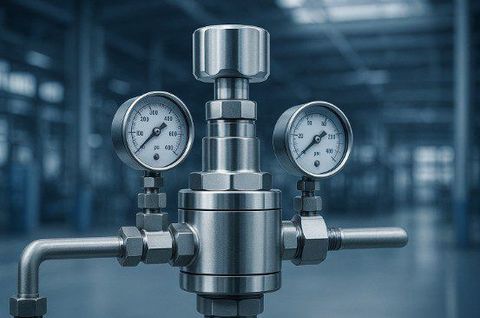
In early systems, gas usage was often estimated rather than measured, leading to inefficiencies, safety risks, and billing disputes. As industries expanded and gas-based systems became more common, accurate measurement became essential. Gas flow meters were developed to provide reliable data on gas movement, enabling better control, safety, and accountability.
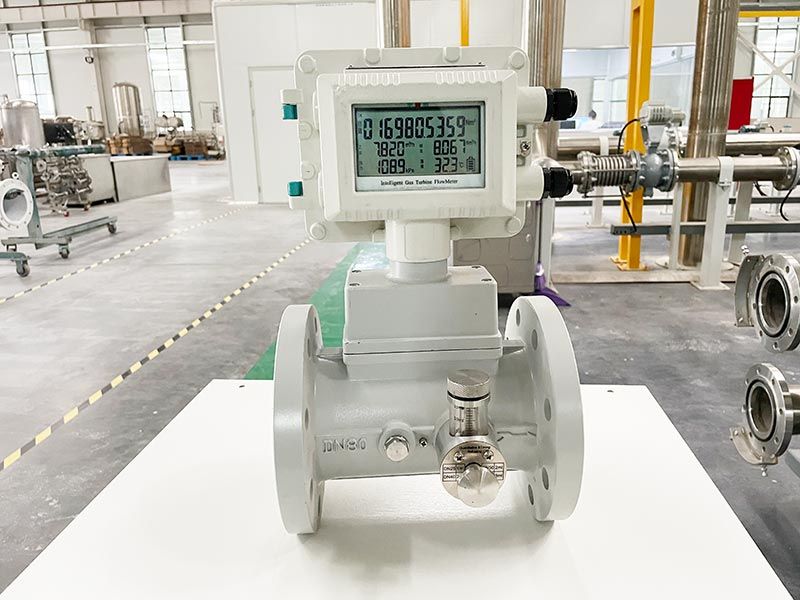
Today, gas flow meters are an integral part of energy management, process control, safety systems, and regulatory compliance across many sectors.
Importance
Gas flow meters matter because gas is widely used as a fuel, process medium, and utility. Without accurate measurement, it becomes difficult to manage consumption, ensure safety, or maintain consistent operations.
Why this topic matters today
Several factors have increased the importance of gas flow measurement:
-
Rising energy costs and efficiency requirements
-
Increased use of gas in industrial processes
-
Greater focus on safety and leak prevention
-
Need for accurate billing and usage tracking
Gas flow meters help organizations monitor and optimize gas usage while reducing waste and operational risks.
Who gas flow meters affect
-
Industrial manufacturing facilities
-
Commercial buildings and utilities
-
Energy and gas distribution companies
-
Facility managers and engineers
-
Safety and compliance teams
Understanding gas flow meter basics supports better system design and operation.
What Gas Flow Meters Measure
Gas flow meters can measure different aspects of gas movement depending on design and application.
Common measurement parameters
-
Volumetric flow rate
-
Mass flow rate
-
Total gas consumption
-
Gas velocity
The table below summarizes key measurements.
| Measurement Type | Purpose |
|---|---|
| Volumetric flow | Usage tracking |
| Mass flow | Process control |
| Totalized flow | Billing and reporting |
| Velocity | System diagnostics |
Each parameter serves a specific operational need.
How Gas Flow Meters Work
Gas flow meters work by detecting changes caused by gas moving through a sensing element. The method used depends on the meter type.
Basic working principle
-
Gas enters the flow meter
-
Interaction with sensor or obstruction occurs
-
Signal is generated based on flow behavior
-
Signal is converted into readable data
The table below outlines common components.
| Component | Function |
|---|---|
| Sensor | Detects gas movement |
| Flow body | Directs gas |
| Electronics | Process signals |
| Display/output | Shows measurements |
This process allows continuous and repeatable measurement.
Types of Gas Flow Meters
Different gas flow meters are used depending on gas type, accuracy needs, and operating conditions.
Differential pressure flow meters
These meters measure pressure drop across an obstruction to calculate flow.
Thermal mass flow meters
Thermal meters measure flow based on heat transfer from a sensor to the gas.
Ultrasonic gas flow meters
Ultrasonic meters use sound waves to measure gas velocity.
Turbine gas flow meters
Turbine meters measure flow using a rotating element driven by gas movement.
Positive displacement gas meters
These meters measure gas volume by trapping and releasing fixed amounts.
The table below compares common types.
| Meter Type | Typical Application |
|---|---|
| Differential pressure | Industrial pipelines |
| Thermal mass | Compressed air systems |
| Ultrasonic | Large gas lines |
| Turbine | Process gas |
| Positive displacement | Commercial billing |
Choosing the right type depends on system requirements.
Industrial Applications of Gas Flow Meters
In industrial settings, gas flow meters support production and safety.
Common industrial uses
-
Monitoring fuel gas for boilers and furnaces
-
Controlling process gas flow
-
Detecting leaks and abnormal usage
-
Supporting energy efficiency programs
The table below shows industrial use cases.
| Industry | Application |
|---|---|
| Manufacturing | Process control |
| Power generation | Fuel monitoring |
| Chemicals | Gas dosing |
| Metals | Furnace operation |
Accurate measurement improves process stability.
Commercial Applications of Gas Flow Meters
Commercial environments also rely on gas flow meters.
Common commercial uses
-
Gas billing and consumption tracking
-
Building energy management
-
HVAC system monitoring
-
Safety and compliance reporting
The table below highlights commercial applications.
| Sector | Purpose |
|---|---|
| Commercial buildings | Energy tracking |
| Utilities | Customer billing |
| Hospitals | Medical gas monitoring |
| Data centers | Backup fuel management |
These applications require reliability and clarity.
Accuracy and Performance Considerations
Accuracy is a key factor in gas flow measurement.
Factors affecting accuracy
-
Gas pressure and temperature
-
Flow range and velocity
-
Installation conditions
-
Calibration quality
The table below summarizes accuracy influences.
| Factor | Impact |
|---|---|
| Proper installation | Stable readings |
| Calibration | Measurement confidence |
| Gas properties | Accuracy consistency |
Correct setup improves reliability.
Installation and System Integration
Proper installation is essential for accurate gas flow measurement.
Installation considerations
-
Straight pipe lengths upstream and downstream
-
Correct meter orientation
-
Avoidance of vibration and turbulence
Integration with control or monitoring systems allows real-time data use.
Recent Updates
Gas flow meter technology has continued to evolve.
Notable developments during 2024–2025
-
In February 2024, increased use of digital and smart gas flow meters
-
In July 2024, improved accuracy in ultrasonic gas flow measurement
-
By January 2025, wider integration of flow meters with energy management systems
These updates focus on data accuracy, connectivity, and efficiency.
Digital and Smart Gas Flow Meters
Modern gas flow meters often include digital features.
Benefits of smart meters
-
Remote monitoring
-
Real-time data logging
-
Predictive maintenance support
-
Improved reporting accuracy
The table below shows digital advantages.
| Feature | Benefit |
|---|---|
| Connectivity | Centralized monitoring |
| Diagnostics | Early fault detection |
| Data logging | Usage analysis |
Digital meters support modern operations.
Maintenance and Calibration
Regular maintenance ensures long-term performance.
Common maintenance activities
-
Periodic calibration
-
Sensor inspection
-
Cleaning and verification
-
Software updates for digital meters
The table below shows maintenance benefits.
| Activity | Outcome |
|---|---|
| Calibration | Accuracy assurance |
| Inspection | Reduced downtime |
| Cleaning | Stable performance |
Preventive care reduces errors.
Safety Role of Gas Flow Meters
Gas flow meters support safety management.
Safety-related benefits
-
Early detection of abnormal flow
-
Support for leak identification
-
Protection against overconsumption
Accurate measurement contributes to safer operations.
Energy Management and Cost Control
Gas flow meters play a role in energy optimization.
How flow meters support efficiency
-
Identify excessive gas usage
-
Support demand planning
-
Improve budgeting and forecasting
The table below highlights energy benefits.
| Aspect | Benefit |
|---|---|
| Monitoring | Waste reduction |
| Data analysis | Cost control |
| Planning | Efficient usage |
Energy management relies on accurate data.
Laws or Policies
Gas flow meters are influenced by safety and measurement regulations.
In India
-
Legal metrology rules for commercial gas measurement
-
Industrial safety standards for gas systems
-
Energy efficiency and reporting guidelines
General regulatory considerations
-
Accuracy and calibration requirements
-
Certification for billing meters
-
Compliance with safety standards
These regulations ensure fair and safe usage.
Environmental Considerations
Gas measurement supports environmental responsibility.
Environmental benefits
-
Reduced gas wastage
-
Better emissions management
-
Support for sustainability reporting
Accurate flow data helps reduce environmental impact.
Tools and Resources
Several tools and resources support gas flow measurement.
Engineering and calculation tools
-
Gas flow calculators
-
Pressure and temperature correction tools
-
Meter sizing charts
Monitoring and management resources
-
Flow data logging software
-
Energy management dashboards
-
Maintenance scheduling tools
Educational resources
-
Industrial instrumentation guides
-
Gas system safety manuals
-
Technical training programs
These resources improve understanding and usage.
Comparing Systems With and Without Gas Flow Meters
| Aspect | Without Flow Meter | With Flow Meter |
|---|---|---|
| Usage visibility | Low | High |
| Safety monitoring | Limited | Improved |
| Cost control | Difficult | Effective |
| Compliance | Risky | Supported |
This comparison highlights their value.
FAQs
What is a gas flow meter used for?
It is used to measure the flow or volume of gas in a system.
Are gas flow meters used only in industries?
No. They are also widely used in commercial and utility applications.
Do gas flow meters need calibration?
Yes. Regular calibration ensures accurate readings.
Can one gas flow meter measure all gases?
Meters are designed for specific gas types and conditions.
Do gas flow meters help reduce costs?
Yes. Accurate measurement helps identify waste and optimize usage.
Final Thoughts
Gas flow meters are essential tools for measuring, controlling, and managing gas usage in industrial and commercial environments. By providing accurate data, they support safety, efficiency, compliance, and cost control.
Understanding the basics of gas flow meters, including how they work, their types, applications, and regulatory context, helps organizations select and use them effectively. Rather than being optional instruments, gas flow meters are foundational components of modern gas systems.