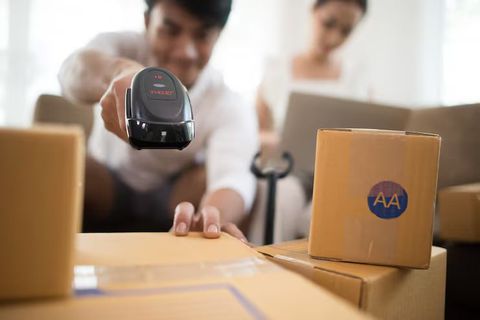
Learn How Delivery Experience Audits Reduce Complaints and Returns
Delivery experience audits are structured reviews of how products move from order confirmation to final delivery at the customer’s location. These audits examine every step of the delivery journey, including order processing, packaging, dispatch, shipping, tracking, communication, and final handover. The purpose is to identify gaps, delays, or errors that affect customer satisfaction.
As e-commerce and home delivery services expanded, delivery became a critical part of the customer experience. Customers often judge a brand not only by product quality but also by how reliably and transparently the product is delivered. Even when products meet expectations, poor delivery experiences—such as delays, damaged items, or unclear communication—can lead to complaints and returns.
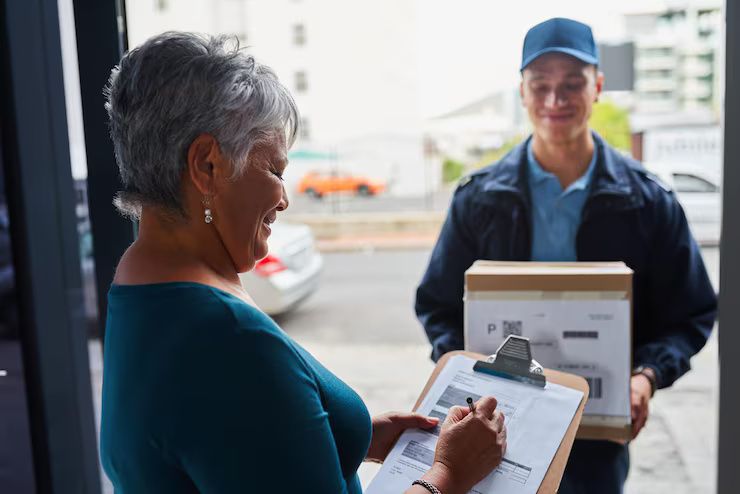
Delivery experience audits exist to help businesses understand delivery performance from the customer’s perspective. Rather than reacting only after complaints occur, audits provide a proactive way to assess delivery processes, identify recurring issues, and implement improvements. Over time, delivery audits have become an important tool for improving service quality and reducing avoidable returns.
Importance – Why Delivery Experience Audits Matter Today
Delivery experience audits play an essential role in improving customer satisfaction and operational efficiency in today’s service-driven economy.
Reduces Customer Complaints
Audits help identify common delivery issues such as late arrivals, missing items, or poor communication before they escalate into complaints.
Lowers Product Return Rates
Many returns happen due to delivery-related issues rather than product defects. Improving delivery reduces unnecessary returns.
Improves Customer Trust
Consistent and reliable delivery builds confidence and encourages repeat purchases.
Enhances Operational Visibility
Audits provide clear insights into where delays or failures occur in the delivery process.
Supports Continuous Improvement
Regular audits help businesses track progress and refine delivery practices over time.
Benefits Multiple Stakeholders
Delivery experience audits support:
-
Customers receiving orders
-
Customer service teams
-
Logistics and fulfillment partners
-
Operations and quality teams
Solves Common Delivery Challenges
Audits help address:
-
Missed delivery windows
-
Inadequate packaging
-
Poor tracking updates
-
Delivery partner inconsistencies
-
High return and refund volumes
In a competitive market, improving delivery experience is essential for long-term customer retention.
Recent Updates – Trends and Developments in 2024–2025
Delivery experience auditing has evolved over the past year due to rising customer expectations and improved analytics capabilities.
Greater Focus on End-to-End Audits (2024)
Businesses expanded audits to cover the entire delivery journey rather than isolated steps.
Use of Customer Feedback Analytics
In 2024, companies increasingly analyzed delivery-related reviews and support tickets as part of audit processes.
Integration of Real-Time Delivery Data
Audits began incorporating real-time tracking data to identify delays and bottlenecks faster.
Standardized Audit Frameworks
More organizations adopted consistent delivery audit checklists across regions and partners.
Collaboration with Delivery Partners
Audits increasingly involved courier and logistics partners to improve coordination and accountability.
Emphasis on First-Attempt Delivery Success
Improving first-attempt delivery rates became a key audit objective to reduce returns and complaints.
These updates show a shift toward more data-driven and customer-focused delivery assessments.
Laws or Policies – Regulations Affecting Delivery Experience
Delivery experience audits are influenced by regulations related to consumer rights, logistics, and service transparency.
Consumer Protection Laws
Customers have the right to receive products within promised delivery timelines and in acceptable condition.
E-commerce and Distance Selling Regulations
Businesses must provide clear delivery information, including timelines, tracking, and return policies.
Refund and Return Policies
Delayed or failed deliveries may legally require refunds or replacements.
Transportation and Safety Regulations
Delivery operations must comply with road safety, labor, and handling standards.
Data Protection and Communication Rules
Customer contact and tracking information must be handled securely and responsibly.
Compliance with these regulations ensures that delivery audits support lawful and ethical operations.
Tools and Resources – Helpful Support for Delivery Experience Audits
Several tools and resources help businesses conduct effective delivery experience audits.
Useful Tools and Resources
| Tool / Resource | Purpose / Benefit |
|---|---|
| Delivery Tracking Platforms | Monitor shipment progress and delays |
| Customer Feedback Tools | Capture delivery-related complaints |
| Order Management Systems | Track fulfillment accuracy |
| Logistics Performance Dashboards | Measure delivery KPIs |
| Return Reason Analytics | Identify delivery-related returns |
| Audit Checklists and Templates | Standardize audit processes |
| Courier Performance Reports | Compare delivery partners |
| Communication Log Tools | Review delivery updates sent to customers |
These tools help convert delivery data into actionable improvements.
FAQs – Clear and Factual Answers
What is a delivery experience audit?
It is a structured review of the delivery process to identify issues that affect customer satisfaction.
How do delivery audits reduce returns?
By fixing delivery delays, damage, and communication gaps that often cause customers to return products.
Who should conduct delivery experience audits?
They are usually conducted by operations, quality, or logistics teams, sometimes with external support.
How often should delivery audits be done?
Many businesses conduct audits quarterly or after major changes in delivery operations.
Do delivery audits improve customer loyalty?
Yes. Better delivery experiences reduce complaints and encourage repeat purchases.
Final Thoughts
Delivery experience audits are a practical and effective way to reduce customer complaints and unnecessary returns. By reviewing delivery processes from order placement to final handover, businesses gain valuable insights into where improvements are needed. Recent trends show a growing focus on end-to-end visibility, customer feedback, and data-driven analysis. When conducted regularly and aligned with regulatory requirements, delivery experience audits help businesses build trust, improve efficiency, and deliver consistently positive customer experiences.

You may also like...

Discover How Customer Pickup Zone Improvement Reduces Wait Times
Last Update: December 22, 2025
Read
Discover How Gas Pressure Control Improves Safety and System Stability
Last Update: December 22, 2025
Read
Discover How Backhoe Loader Rentals Reduce Project Equipment Costs
Last Update: December 22, 2025
Read