Learn How Modern Soap Extrusion Lines Reduce Waste and Downtime
Soap extrusion lines are industrial systems used to shape, refine, and prepare soap for cutting and stamping into finished bars. These systems exist because traditional soap processing methods were slow, labor-intensive, and produced inconsistent results. As demand for personal care products increased, manufacturers required more reliable and efficient ways to produce uniform soap bars at scale.
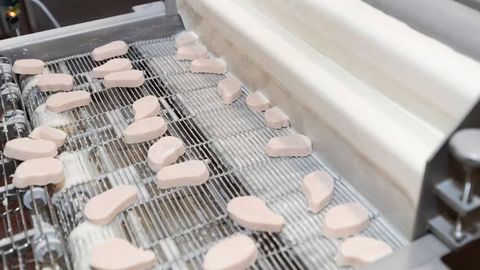
A soap extrusion line typically processes dried soap noodles or chips by refining them into a smooth, continuous mass. This mass is then extruded into a bar or billet shape, which can be cut and stamped into final soap products. Over time, extrusion lines evolved to support higher production speeds, better texture control, and reduced material loss.
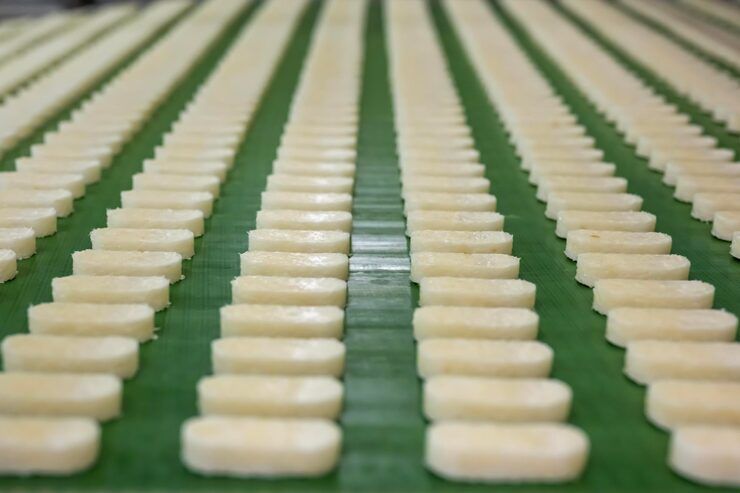
Modern soap extrusion lines are now widely used in personal care, hotel amenities, industrial cleaning products, and specialty soap manufacturing. They help ensure consistent quality while supporting automation and hygiene requirements in contemporary manufacturing environments.
Importance – Why Modern Soap Extrusion Lines Matter Today
Soap extrusion technology plays an important role in improving efficiency, sustainability, and product quality in soap manufacturing.
Improved Production Consistency
Modern extrusion systems ensure uniform texture, density, and shape across soap batches. This consistency is important for branding, packaging compatibility, and consumer expectations.
Reduced Material Waste
Advanced extrusion controls minimize soap loss during processing. Precise pressure and temperature management help prevent cracks, air pockets, and rejected batches.
Lower Downtime
Modern systems are designed for continuous operation. Automated controls and improved mechanical designs reduce the need for frequent stoppages and adjustments.
Energy and Resource Efficiency
Newer extrusion lines use optimized motors and drives that consume less energy while maintaining stable output. Efficient processing also reduces water and cleaning resource usage.
Support for Diverse Soap Formulations
Modern extrusion lines can handle a wide range of formulations, including:
-
Herbal soaps
-
Glycerin-based soaps
-
Medicated soaps
-
Specialty and luxury soaps
Improved Workplace Safety
Automated feeding and enclosed processing reduce direct contact with moving parts, improving operator safety and hygiene.
These benefits affect soap manufacturers, operators, quality managers, and supply chain partners by improving reliability and cost control.
Recent Updates – Developments and Trends in 2024–2025
Soap extrusion technology has seen notable improvements over the past year as manufacturers focus on automation, sustainability, and flexibility.
Increased Automation and Digital Controls (2024–2025)
Modern extrusion lines introduced programmable logic controllers (PLCs) with touchscreen interfaces. These systems allow real-time monitoring of pressure, temperature, and output speed.
Waste Reduction Technologies (2024)
New screw and barrel designs introduced in 2024 improved material flow, reducing soap residue left inside machines during changeovers.
Faster Changeover Capabilities
Manufacturers developed modular extrusion components that allow quicker cleaning and formulation changes, reducing downtime between production runs.
Energy-Efficient Drive Systems
Servo motors and variable frequency drives (VFDs) gained wider adoption in 2024, helping plants reduce electricity usage.
Integration With Downstream Equipment
Extrusion lines are now better integrated with cutting, stamping, and wrapping machines, improving overall line efficiency.
Growth in Small-Batch and Custom Soap Production
Demand for customized soaps led to extrusion lines designed for flexible batch sizes, supporting niche and private-label production.
These updates reflect an industry focused on operational efficiency, adaptability, and reduced environmental impact.
Laws or Policies – Regulations Affecting Soap Extrusion Lines
Soap manufacturing equipment, including extrusion lines, is subject to regulations that ensure safety, hygiene, and environmental responsibility.
Manufacturing and Hygiene Standards
Soap production facilities must follow cleanliness and hygiene guidelines, including:
-
Food-grade or cosmetic-grade contact materials
-
Easy-to-clean machine surfaces
-
Controlled production environments
These standards help ensure safe consumer products.
Cosmetic and Consumer Product Regulations
In many countries, soaps are regulated as cosmetic or consumer care products. Equipment used in production must support consistent quality and traceability.
Worker Safety Regulations
Authorities require:
-
Machine guarding
-
Emergency stop mechanisms
-
Operator training
-
Noise and heat exposure limits
Modern extrusion lines are designed to meet these safety requirements.
Environmental and Waste Management Policies
Manufacturers must comply with regulations related to:
-
Waste disposal
-
Energy consumption
-
Water usage during cleaning
Efficient extrusion lines help reduce environmental impact and regulatory risk.
Equipment Certification and Compliance
Soap extrusion machines often need certification for:
-
Electrical safety
-
Mechanical reliability
-
Industrial operation standards
Compliance ensures safe and lawful operation in manufacturing facilities.
Tools and Resources – Helpful Solutions for Soap Manufacturers
Several tools and resources help manufacturers optimize soap extrusion performance and manage production effectively.
Useful Tools and Resources
| Tool / Resource | Purpose / Benefit |
|---|---|
| Production Monitoring Software | Tracks output, downtime, and efficiency. |
| Maintenance Management Systems | Schedules servicing and reduces unexpected failures. |
| Formulation Testing Tools | Helps verify soap texture and consistency. |
| Energy Consumption Trackers | Monitors power usage for cost control. |
| Quality Control Checklists | Ensures consistent output and defect reduction. |
| Operator Training Platforms | Improves machine handling and safety awareness. |
| Changeover Planning Templates | Reduces downtime during product switches. |
| Industry Standards Portals | Provide guidelines for cosmetic manufacturing compliance. |
These tools support better decision-making, reduce waste, and improve long-term equipment reliability.
FAQs – Clear and Factual Answers
What is the main function of a soap extrusion line?
A soap extrusion line refines soap material and shapes it into a continuous form that can be cut and stamped into finished soap bars.
How do modern extrusion lines reduce waste?
They use improved screw designs, precise controls, and automated feeding to minimize leftover material and defective products.
What causes downtime in soap extrusion processes?
Common causes include manual adjustments, cleaning delays, material blockages, and equipment wear. Modern systems reduce these issues through automation and better design.
Can one extrusion line handle multiple soap types?
Yes. Many modern lines are designed to process different formulations with proper cleaning and parameter adjustments.
How often do soap extrusion lines require maintenance?
Routine maintenance schedules vary, but regular inspection, lubrication, and cleaning help prevent unexpected breakdowns.
Final Thoughts
Modern soap extrusion lines play a key role in improving manufacturing efficiency, reducing material waste, and minimizing downtime. Through automation, improved mechanical design, and better integration with downstream processes, these systems support consistent soap quality and reliable production. As regulations, sustainability goals, and consumer expectations continue to evolve, efficient extrusion technology helps manufacturers meet operational and compliance requirements. Understanding how these systems work allows manufacturers and operators to make informed decisions that support productivity, safety, and long-term performance.

You may also like...
Discover How Backhoe Loader Rentals Reduce Project Equipment Costs
Last Update: December 13, 2025
Read