A Complete Guide to Understanding Gyratory Crushers in Mining and Material Processing
Gyratory crushers are large industrial machines used to break down rocks and minerals into smaller fragments during mining and material processing operations. They are commonly used in large-scale mining projects where massive quantities of raw material must be processed efficiently.
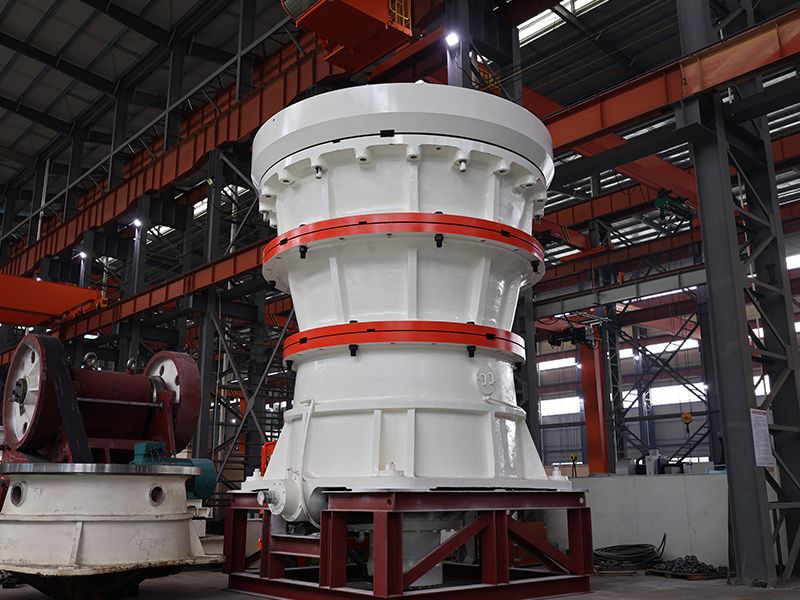
The basic structure of a gyratory crusher includes a central vertical shaft with a conical crushing head. This crushing head rotates inside a fixed outer shell called the concave surface. As rock enters the top of the machine, it is compressed between the moving crushing head and the stationary outer surface. This compression gradually reduces the material into smaller pieces.
Gyratory crushers exist because mining operations often extract extremely large rocks that cannot be processed directly. Before minerals can be refined or transported, these rocks must be broken down into manageable sizes. Crushing equipment makes this transformation possible.
Unlike some other types of crushers that operate in cycles, gyratory crushers provide continuous crushing action. This design allows them to process large volumes of material without interruption, which is especially useful in high-capacity mining operations.
The typical components of a gyratory crusher include:
-
Main shaft and crushing head
-
Concave outer shell
-
Drive system and motor
-
Hydraulic adjustment mechanism
-
Feed opening and discharge area
The following table illustrates the primary components of a gyratory crusher.
| Component | Function |
|---|---|
| Crushing Head | Rotates to compress material |
| Concave Surface | Fixed outer shell for crushing |
| Main Shaft | Supports the rotating crushing head |
| Drive System | Powers the rotation of the crusher |
| Discharge Opening | Releases crushed material |
These machines are designed to handle extremely large feed materials and maintain continuous operation in demanding industrial environments.
Importance: Why Gyratory Crushers Matter in Mining Operations
Gyratory crushers play an important role in modern mining and mineral processing systems. They are typically used as primary crushers, meaning they handle the first stage of crushing raw materials extracted from mines.
Mining operations often involve removing large rock formations from the earth. These rocks contain valuable minerals, but they must be broken down before extraction processes can begin. Gyratory crushers perform this initial reduction efficiently.
Several industries depend on gyratory crushers for material preparation.
Mining Industry
Mineral extraction requires crushing large ore deposits before refining processes such as grinding and separation.
Metallurgical Processing
Metal production processes depend on crushed ores that can be further refined into usable materials.
Large Quarry Operations
Quarries producing aggregates for construction may use gyratory crushers to handle very large rock formations.
Infrastructure Development
Crushed materials from mining operations are used in infrastructure projects such as roads, bridges, and industrial facilities.
The following table explains common challenges in large-scale material processing and how gyratory crushers help address them.
| Processing Challenge | Gyratory Crusher Solution |
|---|---|
| Extremely large rocks | Wide feed opening design |
| High production demands | Continuous crushing operation |
| Material hardness | Strong compression mechanism |
| Large-scale mining environments | High-capacity equipment design |
| Consistent material reduction | Stable crushing chamber geometry |
Another key advantage is productivity. Gyratory crushers are capable of handling large volumes of material without frequent interruptions, which helps maintain efficiency in large mining facilities.
Their robust construction also allows them to operate in challenging environments where heavy loads and continuous use are common.
Recent Updates and Industry Trends
Industrial crushing equipment has continued to evolve as technology advances. Several developments have influenced gyratory crusher design and operation in recent years.
In 2024 and early 2025, many mining operations began integrating advanced automation systems into crushing equipment. These systems allow operators to monitor machine performance, adjust settings, and detect potential mechanical issues through digital control interfaces.
Remote monitoring technology has also become more common. Sensors installed within the crusher measure parameters such as vibration, temperature, and load levels. Engineers can analyze this data remotely to identify maintenance needs and improve operational reliability.
Energy efficiency has become another focus area. Manufacturers have developed updated mechanical designs aimed at reducing energy consumption while maintaining high processing capacity.
Predictive maintenance tools are also gaining attention. By analyzing machine data over time, these tools help maintenance teams identify patterns that may indicate future equipment wear.
The following table summarizes recent trends in gyratory crusher technology.
| Trend | Description | Industry Impact |
|---|---|---|
| Automation Systems | Digital monitoring and control features | Improved operational efficiency |
| Remote Equipment Monitoring | Real-time machine data analysis | Better maintenance planning |
| Energy Efficiency Improvements | Optimized mechanical design | Reduced environmental impact |
| Predictive Maintenance Tools | Data-driven maintenance strategies | Increased equipment reliability |
| Integrated Analytics Platforms | Performance tracking and reporting | Enhanced operational insights |
These innovations are part of a broader movement toward digital transformation in the mining and heavy equipment industries.
Laws and Policies Affecting Gyratory Crusher Operations
Mining and material processing equipment operates within regulatory frameworks designed to ensure worker safety, environmental protection, and responsible resource management.
Workplace Safety Regulations
Industrial machines must comply with occupational safety standards established by national labor authorities. These regulations require safety training, protective equipment, and safe machine operation procedures.
Environmental Protection Policies
Crushing operations can produce dust and noise. Environmental regulations often require dust suppression systems, noise monitoring, and environmental management practices.
Mining License and Resource Regulations
Mining activities typically require government approval and licensing. These permits regulate how natural resources are extracted and processed.
Equipment Safety Certification
Industrial machinery must meet engineering safety standards before it can be installed and operated in mining facilities.
Sustainable Resource Management Policies
Governments encourage responsible mining practices that balance economic activity with environmental protection.
Organizations operating crushing equipment are generally required to maintain records related to:
-
Equipment inspection and maintenance schedules
-
Worker safety training documentation
-
Environmental compliance reports
-
Operational safety procedures
These regulatory frameworks help ensure that mining operations remain safe, accountable, and environmentally responsible.
Tools and Resources Used with Gyratory Crushers
Several tools and systems support the operation and maintenance of gyratory crushers in industrial environments.
Material Handling Systems
-
Heavy-duty feeders that supply raw material to crushers
-
Conveyor systems that transport crushed material
-
Screening equipment that separates materials by size
Monitoring and Control Tools
-
Digital crusher control panels
-
Sensor-based monitoring systems
-
Remote performance tracking platforms
Maintenance Equipment
-
Hydraulic service tools
-
Wear component inspection devices
-
Lubrication and cooling systems
Engineering and Operational Resources
-
Equipment manuals and maintenance guides
-
Industrial process management software
-
Mechanical performance monitoring tools
Training and Safety Resources
-
Operator training programs
-
Workplace safety manuals
-
Industrial equipment certification courses
The following table summarizes key categories of tools used in gyratory crusher operations.
| Tool Category | Purpose |
|---|---|
| Material Feeding Systems | Deliver raw material to crushers |
| Monitoring Systems | Track equipment performance |
| Maintenance Tools | Inspect and service machine components |
| Engineering Documentation | Guide equipment operation |
| Training Resources | Improve operational safety |
Using these tools helps maintain efficient operations and supports long-term equipment performance.
FAQs About Gyratory Crushers
What is a gyratory crusher used for?
A gyratory crusher is used to reduce large rocks and ores into smaller pieces during the initial stage of mining and material processing.
How does a gyratory crusher work?
It works by compressing material between a rotating conical crushing head and a fixed outer surface, gradually breaking the material into smaller fragments.
What materials can gyratory crushers process?
They can process hard materials such as granite, limestone, and various mineral ores commonly found in mining operations.
How are gyratory crushers different from other crushers?
Gyratory crushers typically operate continuously and handle larger feed materials compared with some other crusher types.
How is maintenance performed on gyratory crushers?
Maintenance usually involves inspecting wear components, monitoring lubrication systems, and checking mechanical parts to ensure smooth operation.
Final Thoughts
Gyratory crushers are essential machines in large-scale mining and material processing systems. Their ability to handle massive rock formations and maintain continuous crushing operations makes them a critical part of industrial resource extraction.
Recent advancements in automation, digital monitoring, and predictive maintenance technologies are helping improve equipment reliability and operational efficiency. At the same time, regulatory frameworks ensure that mining operations follow safety and environmental standards.

You may also like...

Everything You Need to Know Before Replacing Your Current Mobile Phone
Last Update: March 07, 2026
Read
Discover Smart Steps to Move Forward with Your Home Ownership Change
Last Update: March 07, 2026
Read