A Complete Guide to Understanding Ball Mills in Industrial Grinding Processes
Ball mills are industrial machines used to grind materials into fine powders. They are commonly used in mining, cement production, chemical processing, and other manufacturing industries where materials must be reduced to smaller particle sizes.
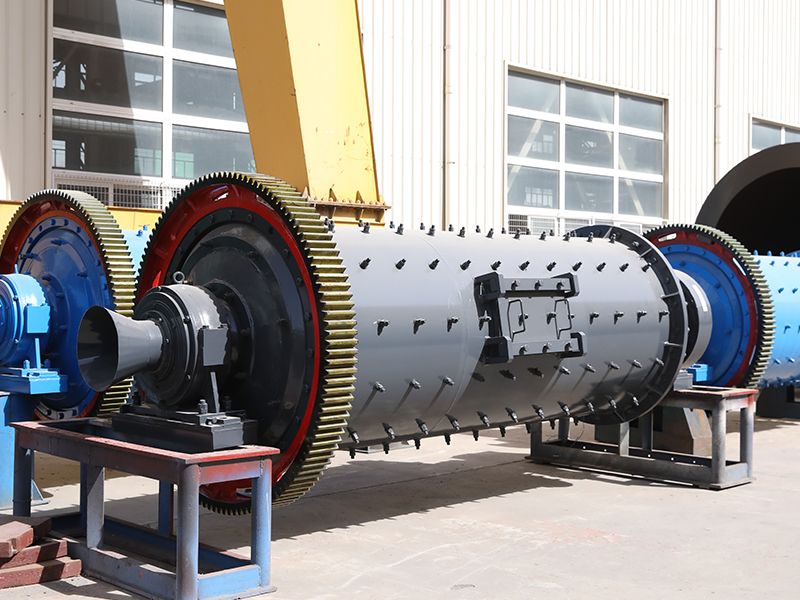
The basic design of a ball mill consists of a large rotating cylindrical drum that contains grinding media, typically metal or ceramic balls. As the drum rotates, the grinding media move inside the chamber and collide with the material being processed. These repeated impacts gradually break down the material into finer particles.
Ball mills exist because many industrial processes require finely ground materials before they can be used in manufacturing or chemical reactions. Raw materials extracted from mines or obtained from industrial processes are often too coarse to be used directly. Grinding systems help convert these materials into the required particle size.
Ball mills can operate in different modes depending on the industrial application. Some mills process materials in dry form, while others use water or chemical solutions in wet grinding systems. The choice depends on the type of material and the requirements of the production process.
A typical ball mill includes several main components:
-
Rotating cylindrical shell
-
Grinding media such as steel or ceramic balls
-
Motor and drive system
-
Material feeding mechanism
-
Discharge outlet
The following table explains the key components of a ball mill.
| Component | Function |
|---|---|
| Cylindrical Shell | Rotates to facilitate grinding |
| Grinding Media | Breaks down materials through impact |
| Motor and Drive System | Powers the rotation of the mill |
| Feed Inlet | Allows raw material to enter the mill |
| Discharge Outlet | Releases ground material |
Ball mills are widely used because they can process many types of materials, including ores, minerals, pigments, and chemicals.
Importance: Why Ball Mills Matter in Industrial Processing
Ball mills are important machines in industries that depend on finely ground materials. Grinding is often a necessary step before materials can be refined, mixed, or used in manufacturing processes.
One of the primary advantages of ball mills is their ability to produce uniform particle sizes. Consistent particle size helps improve product quality in industries such as cement manufacturing, ceramics, and chemical processing.
Several industries rely heavily on ball mills.
Mining Industry
Mineral processing operations use ball mills to grind ores before separating valuable minerals from waste materials.
Cement Manufacturing
Ball mills are used to grind clinker and other raw materials to produce cement powder.
Chemical Processing
Chemical plants often require finely ground materials to facilitate chemical reactions.
Ceramics and Material Production
Ceramic materials and pigments must be finely ground to achieve specific textures and properties.
Ball mills help solve several common industrial challenges.
| Processing Challenge | Ball Mill Solution |
|---|---|
| Large material particles | Mechanical grinding process |
| Inconsistent particle sizes | Controlled grinding action |
| High-volume material processing | Continuous mill operation |
| Hard mineral materials | Durable grinding media |
| Fine powder requirements | Adjustable grinding conditions |
Another important benefit is versatility. Ball mills can process a wide variety of materials and can be adapted to different industrial environments.
Their ability to operate continuously also supports large-scale production facilities where steady material processing is essential.
Recent Updates and Industry Trends
Industrial grinding technology has evolved over time, and ball mill systems continue to benefit from technological improvements.
During 2024 and early 2025, many industrial facilities introduced advanced monitoring systems for grinding equipment. These systems track variables such as rotation speed, temperature, vibration, and grinding efficiency.
Automation has also become more common in grinding operations. Automated systems help adjust mill speed, feed rates, and grinding conditions to maintain consistent output.
Another emerging trend involves digital performance analysis. Data collected from sensors installed on grinding equipment can be analyzed to improve operational efficiency and maintenance planning.
Energy efficiency has also become an important area of development. Updated ball mill designs aim to reduce unnecessary energy usage while maintaining effective grinding performance.
The following table summarizes recent trends in ball mill technology.
| Trend | Description | Industry Impact |
|---|---|---|
| Digital Monitoring Systems | Real-time tracking of grinding conditions | Improved operational control |
| Automation Features | Automatic adjustment of mill parameters | Increased efficiency |
| Data Analytics Platforms | Performance analysis and optimization | Better maintenance planning |
| Energy Efficiency Improvements | Optimized mechanical design | Reduced energy consumption |
| Smart Sensor Integration | Early detection of mechanical issues | Improved equipment reliability |
These developments reflect broader efforts to modernize industrial equipment through digital technologies.
Laws and Policies Affecting Ball Mill Operations
Industrial grinding operations must comply with various laws and regulations designed to ensure safety, environmental protection, and responsible industrial practices.
Workplace Safety Regulations
Industrial equipment such as ball mills must meet occupational safety standards. These regulations ensure that machines are installed and operated safely and that workers receive appropriate training.
Environmental Protection Regulations
Grinding processes can generate dust and noise. Environmental policies often require facilities to implement dust control systems, noise reduction measures, and proper waste management practices.
Industrial Equipment Standards
Machinery used in industrial environments must comply with engineering safety standards before it can be installed and operated.
Manufacturing Compliance Requirements
Industries that use grinding equipment must follow quality and safety regulations relevant to their production processes.
Energy and Sustainability Policies
Many governments encourage industries to adopt energy-efficient technologies and environmentally responsible practices.
Industrial operators are typically required to maintain documentation related to:
-
Equipment inspections and maintenance records
-
Worker safety training certifications
-
Environmental compliance reports
-
Operational safety procedures
These regulations help ensure that industrial operations remain safe and environmentally responsible.
Tools and Resources Used with Ball Mills
Ball mill operations rely on several supporting tools and systems that help manage material flow, monitor equipment performance, and maintain safe working conditions.
Material Handling Systems
-
Feeders that supply raw material to the mill
-
Conveyor systems that transport materials between processes
-
Screening equipment for separating particles by size
Monitoring and Control Tools
-
Digital control panels
-
Sensor-based monitoring systems
-
Performance analysis software
Maintenance Equipment
-
Lubrication systems
-
Mechanical inspection tools
-
Grinding media wear monitoring devices
Engineering and Operational Resources
-
Equipment manuals and maintenance guides
-
Industrial process monitoring software
-
Mechanical design documentation
Training and Safety Resources
-
Operator training programs
-
Workplace safety guidelines
-
Industrial equipment certification courses
The following table summarizes key categories of tools used in ball mill operations.
| Tool Category | Purpose |
|---|---|
| Material Feeding Systems | Deliver raw material into the mill |
| Monitoring Systems | Track equipment performance |
| Maintenance Tools | Inspect and maintain machine components |
| Engineering Documentation | Guide operational procedures |
| Training Resources | Improve worker safety and operational knowledge |
Using these tools helps maintain efficient grinding operations and supports long-term equipment reliability.
FAQs About Ball Mills
What is a ball mill used for?
A ball mill is used to grind materials into fine powders for use in mining, manufacturing, chemical processing, and cement production.
How does a ball mill work?
A rotating cylindrical chamber filled with grinding media repeatedly impacts the material, gradually reducing it into smaller particles.
What materials can be processed in a ball mill?
Ball mills can process materials such as mineral ores, cement clinker, ceramics, pigments, and various chemical compounds.
What is the difference between dry and wet grinding?
Dry grinding processes materials without liquid, while wet grinding uses water or other fluids to improve grinding efficiency and reduce dust.
How are ball mills maintained?
Maintenance typically includes monitoring lubrication systems, inspecting grinding media, checking mechanical components, and ensuring proper alignment of rotating parts.
Final Thoughts
Ball mills are essential machines in many industrial grinding processes. Their ability to reduce large materials into fine powders supports industries such as mining, cement production, chemical manufacturing, and material processing.
Recent technological developments, including automation, digital monitoring, and energy-efficient designs, continue to improve the performance and reliability of ball mill systems. At the same time, regulatory frameworks help ensure that grinding operations meet safety and environmental standards.

You may also like...
Understanding Mini Excavator Size Classes for Better Performance and Productivity
Last Update: March 05, 2026
Read
Everything You Need to Know About Jaw Crushers for Reliable Material Processing
Last Update: March 07, 2026
Read