Everything You Need to Know About Jaw Crushers for Reliable Material Processing
Jaw crushers are heavy industrial machines designed to break down large rocks and minerals into smaller pieces. They are commonly used in mining, quarrying, and construction industries as the first stage of the material crushing process. These machines play an important role in preparing raw materials so they can be further processed or used in infrastructure projects.
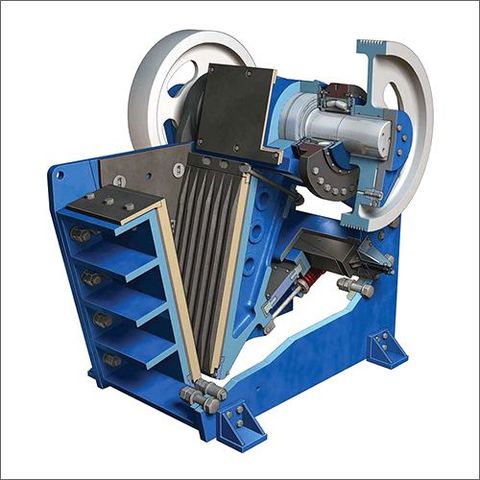
The design of a jaw crusher includes two large plates known as jaws. One plate remains fixed while the other moves back and forth. As large pieces of rock enter the crushing chamber, the moving jaw presses the material against the stationary jaw. This compression gradually breaks the material into smaller fragments.
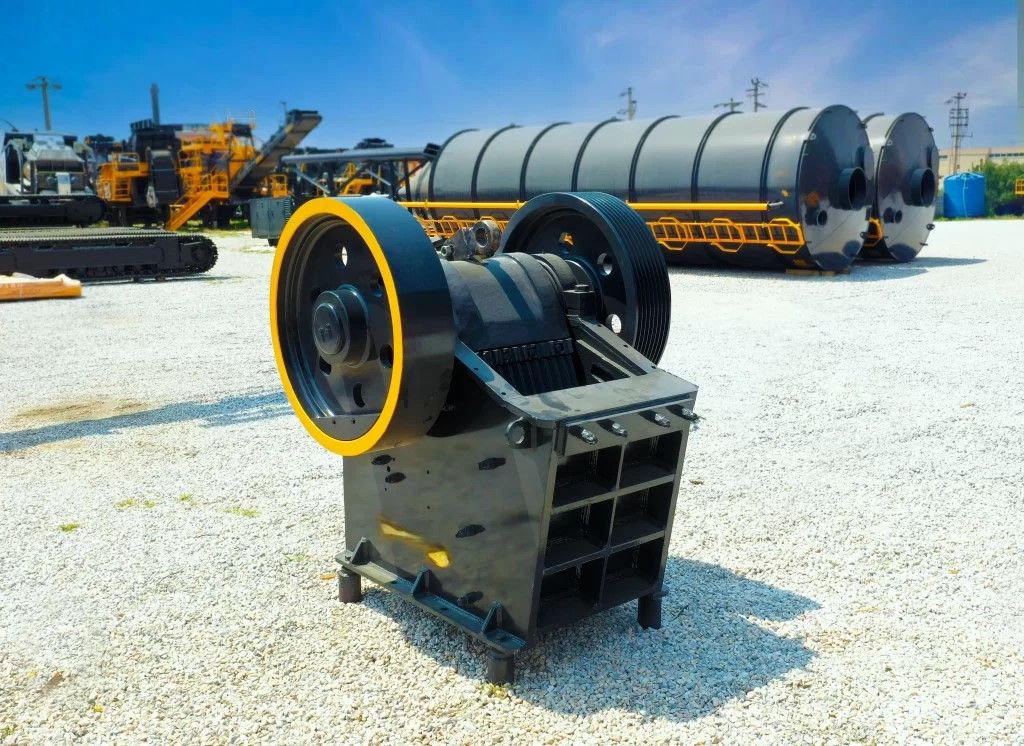
Jaw crushers exist because natural rock formations and extracted minerals are often too large to be used directly in industrial applications. Crushing equipment helps reduce these materials into manageable sizes that can be transported, processed, or refined.
Jaw crushers are typically used as primary crushers in material processing systems. This means they handle the initial stage of breaking down raw material before it moves to secondary or tertiary crushers such as cone crushers or impact crushers.
The following table explains the key components of a typical jaw crusher.
| Component | Function |
|---|---|
| Fixed Jaw Plate | Stationary surface that supports crushing |
| Moving Jaw Plate | Applies pressure to break material |
| Crushing Chamber | Area where material is compressed |
| Drive Motor | Powers the movement of the jaw |
| Flywheel | Helps maintain smooth operation |
Because of their simple design and strong construction, jaw crushers are widely used in industries that require reliable material processing.
Importance: Why Jaw Crushers Matter in Material Processing
Jaw crushers are essential equipment in industries that depend on crushed materials. They are used to reduce the size of rocks, ores, and construction materials so that they can be further processed or used in manufacturing and building projects.
One of the main advantages of jaw crushers is their ability to handle very large pieces of material. Many mining and quarry operations extract raw rock directly from the ground, and this material must be broken down before it can be processed.
Jaw crushers help solve several operational challenges.
Large Material Size
Raw materials extracted from mines or quarries are often extremely large. Jaw crushers reduce these materials into smaller sizes suitable for further processing.
Material Preparation
Many industries require materials of a specific size before they can be used in production processes.
Operational Reliability
Jaw crushers are known for their durable design and ability to operate continuously in demanding environments.
Several industries rely on jaw crushers for their daily operations.
Mining Industry
Mineral extraction often begins with primary crushing to prepare ores for further processing.
Construction Sector
Infrastructure projects require crushed stone and aggregates for foundations, roads, and structural materials.
Quarry Operations
Quarries produce crushed stone used in landscaping, building materials, and road construction.
Recycling Facilities
Jaw crushers are sometimes used to process demolition materials such as concrete and bricks for reuse.
The following table highlights challenges in material processing and how jaw crushers address them.
| Processing Challenge | Jaw Crusher Solution |
|---|---|
| Large rock fragments | Strong compression mechanism |
| Irregular material shapes | Adjustable crushing chamber |
| High workload environments | Durable machine design |
| Continuous operation needs | Stable mechanical structure |
| Material preparation requirements | Consistent size reduction |
Because they handle the first stage of material reduction, jaw crushers are often considered a foundational component in crushing systems.
Recent Updates and Industry Trends
In recent years, equipment manufacturers have introduced several improvements to jaw crusher technology. These updates aim to improve efficiency, safety, and operational monitoring.
During 2024 and early 2025, many modern jaw crushers began incorporating digital monitoring systems. These systems allow operators to track machine performance, vibration levels, and operational conditions through control panels or remote monitoring tools.
Automation has also become more common in industrial crushing systems. Automated controls help adjust machine settings, detect irregular conditions, and optimize performance during operation.
Another important trend is the integration of predictive maintenance technology. Sensors installed in crushing equipment monitor temperature, vibration, and wear levels. This data helps maintenance teams identify potential issues before equipment failures occur.
Energy efficiency has also received attention. Updated mechanical designs help reduce unnecessary energy usage while maintaining effective crushing performance.
The following table summarizes recent trends in jaw crusher technology.
| Trend | Description | Industry Impact |
|---|---|---|
| Digital Monitoring Systems | Real-time equipment performance tracking | Improved operational control |
| Automation Features | Automatic adjustment of crusher settings | Increased efficiency |
| Predictive Maintenance Sensors | Early detection of mechanical issues | Reduced downtime |
| Energy Efficient Designs | Improved mechanical efficiency | Lower environmental impact |
| Data Integration Systems | Machine analytics for performance optimization | Data-driven maintenance planning |
These advancements show how modern industrial equipment is evolving through digital technology and automation.
Laws and Policies Affecting Jaw Crusher Operations
Jaw crushers operate within regulatory frameworks that address workplace safety, environmental protection, and responsible resource management.
Workplace Safety Standards
Industrial machinery must comply with occupational safety regulations established by government labor authorities. These rules ensure that machines are operated safely and that workers receive proper training.
Environmental Protection Regulations
Crushing activities may generate dust and noise. Environmental laws require operators to implement dust control systems, noise management practices, and other environmental safeguards.
Mining and Quarry Licensing
Mining and quarry operations typically require government authorization. These permits ensure that natural resource extraction is conducted responsibly and within legal limits.
Equipment Safety Certification
Industrial machines must meet engineering and safety standards before being used in operational environments.
Resource Management Policies
Governments encourage sustainable resource extraction practices to reduce environmental impact and preserve natural ecosystems.
Organizations operating crushing equipment are often required to maintain records related to:
-
Equipment inspections and maintenance schedules
-
Worker safety training programs
-
Environmental monitoring reports
-
Operational safety procedures
These regulatory frameworks help ensure that industrial operations remain safe and environmentally responsible.
Tools and Resources Used with Jaw Crushers
Efficient jaw crusher operation depends on a variety of supporting tools and systems that help manage material flow, monitor equipment performance, and maintain safety standards.
Material Handling Equipment
-
Feeding systems that deliver raw material into crushers
-
Conveyor belts that transport crushed materials
-
Screening equipment that separates materials by size
Monitoring and Control Systems
-
Digital control panels
-
Sensor-based performance monitoring tools
-
Remote equipment monitoring platforms
Maintenance Tools
-
Hydraulic adjustment tools
-
Wear component inspection equipment
-
Lubrication and cooling systems
Engineering and Operational Resources
-
Equipment manuals and safety guidelines
-
Industrial maintenance management software
-
Mechanical design documentation
Training and Safety Resources
-
Equipment operator training programs
-
Workplace safety manuals
-
Industrial certification courses
The following table summarizes key categories of tools used in crushing operations.
| Tool Category | Purpose |
|---|---|
| Material Handling Systems | Move materials through the crushing process |
| Monitoring Systems | Track equipment performance |
| Maintenance Equipment | Inspect and service machine components |
| Engineering Documentation | Guide equipment operation |
| Training Resources | Improve safety and operational skills |
Using these tools helps improve operational efficiency and maintain equipment reliability.
FAQs About Jaw Crushers
What is a jaw crusher used for?
A jaw crusher is used to reduce large rocks and minerals into smaller pieces during the initial stage of material processing.
How does a jaw crusher work?
It works by compressing material between a moving jaw plate and a stationary jaw plate, gradually breaking the material into smaller fragments.
What materials can jaw crushers process?
Jaw crushers can process materials such as granite, limestone, basalt, concrete, and various mineral ores.
Are jaw crushers used in recycling operations?
Yes, they are sometimes used in recycling facilities to break down construction materials like concrete and bricks for reuse.
How are jaw crushers maintained?
Maintenance typically includes inspecting wear plates, checking lubrication systems, monitoring vibration levels, and replacing worn components when necessary.
Final Thoughts
Jaw crushers are essential machines in modern mining, quarrying, and construction operations. Their ability to handle large rock formations and reduce them into manageable sizes makes them a critical part of material processing systems.
Advancements in automation, digital monitoring, and predictive maintenance technologies continue to improve the efficiency and reliability of jaw crushers. At the same time, regulatory frameworks help ensure that crushing operations meet safety and environmental standards.

You may also like...

Everything You Need to Know Before Replacing Your Current Mobile Phone
Last Update: March 07, 2026
Read
A Complete Guide to Understanding Cone Crushers in Modern Mining and Construction
Last Update: March 07, 2026
Read
A Complete Guide to Understanding Ball Mills in Industrial Grinding Processes
Last Update: March 07, 2026
Read