A Complete Guide to Understanding Modern ERP Integration for Business Efficiency
Enterprise Resource Planning (ERP) integration refers to the process of connecting an ERP system with other software applications used by an organization. ERP systems are designed to manage key business processes such as finance, inventory, procurement, human resources, and supply chain operations. Integration allows these systems to exchange information automatically and operate within a unified digital environment.
ERP systems were originally developed to help organizations centralize operational data. Before ERP platforms became common, many businesses used separate software tools for accounting, inventory management, customer records, and production planning. These isolated systems often created challenges when departments needed to share information.
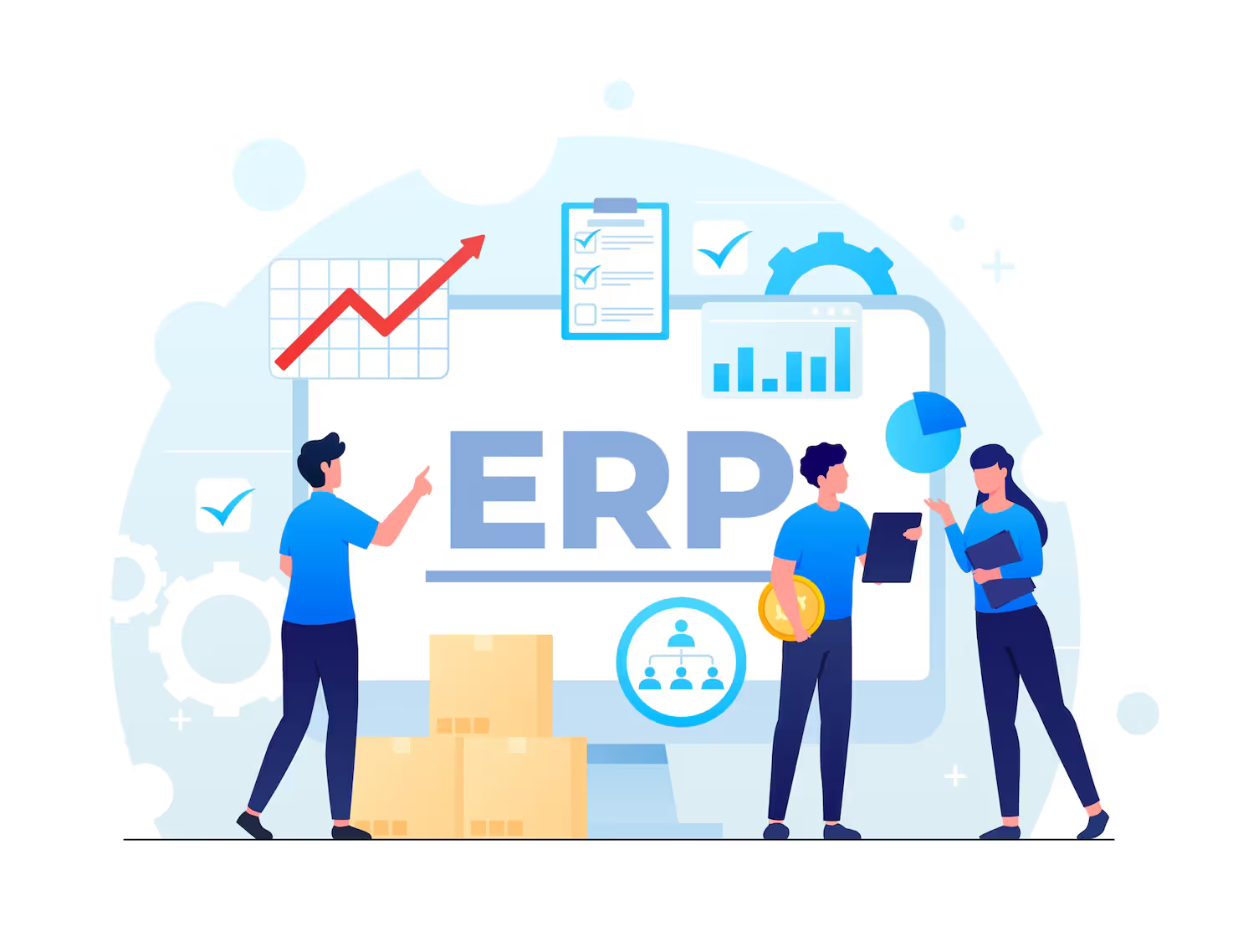
ERP integration exists to solve this problem by enabling different business applications to communicate with one another. When systems are connected, information entered in one system can be reflected across other connected systems without manual duplication.
For example, an order recorded in a sales platform can automatically update inventory records and financial reporting systems through ERP integration. This synchronization helps ensure that departments are working with consistent and up-to-date information.
Typical ERP integrations may involve connections between:
-
Accounting and financial management systems
-
Customer relationship management platforms
-
Inventory and supply chain management tools
-
Human resource management systems
-
Data analytics platforms
The following table explains how ERP integration connects different business functions.
| Business Function | Example Integration Purpose |
|---|---|
| Finance | Synchronizing financial transactions |
| Sales | Updating customer and order records |
| Inventory | Monitoring stock levels across systems |
| Human Resources | Managing employee data across platforms |
| Analytics | Collecting operational data for reporting |
ERP integration helps organizations create a connected ecosystem where information flows smoothly between systems.
Importance: Why ERP Integration Matters Today
Modern organizations rely on multiple digital systems to manage daily operations. As businesses grow and adopt specialized software tools, maintaining consistent communication between systems becomes increasingly important.
ERP integration plays a critical role in maintaining operational efficiency. By linking business applications together, organizations can reduce manual data entry and improve the accuracy of their operational records.
Several groups within organizations benefit from ERP integration.
Management Teams
Executives rely on accurate data to evaluate performance and plan business strategies.
Operations Departments
Operational teams benefit from real-time access to inventory levels, order status, and production information.
Finance Teams
Financial professionals require consistent transaction records for reporting and compliance purposes.
IT Departments
Technical teams manage system architecture and ensure that software platforms operate together efficiently.
The following table highlights common operational challenges and how ERP integration helps address them.
| Operational Challenge | ERP Integration Solution |
|---|---|
| Duplicate data entry | Automated data synchronization |
| Inconsistent information across departments | Centralized system communication |
| Delays in reporting | Real-time data updates |
| Disconnected business systems | Unified digital infrastructure |
| Limited operational visibility | Integrated reporting dashboards |
Another important benefit is improved decision-making. When systems share information seamlessly, organizations can access comprehensive data across departments. This visibility supports better analysis of business activities.
ERP integration also enhances collaboration among departments. Teams can rely on shared data rather than maintaining separate records, which helps streamline workflows and reduce misunderstandings.
Recent Updates and Industry Trends
ERP technology has evolved significantly as businesses adopt cloud computing, automation, and advanced analytics tools.
During 2024 and early 2025, many organizations increased the use of cloud-based ERP systems. Cloud infrastructure allows ERP platforms to integrate more easily with other digital services and applications.
Another notable trend involves the use of application programming interfaces (APIs). APIs provide standardized methods for connecting software systems, allowing ERP platforms to exchange information with external applications.
Automation has also expanded within ERP integration processes. Automated workflows can trigger system updates across departments, reducing the need for manual intervention.
Artificial intelligence tools have also begun influencing ERP systems. Some platforms now include AI-driven analytics that help organizations identify patterns in operational data and support decision-making processes.
The following table summarizes recent ERP integration trends.
| Trend | Description | Impact |
|---|---|---|
| Cloud-Based ERP Systems | ERP platforms hosted on cloud infrastructure | Increased flexibility and accessibility |
| API-Based Integration | Standardized methods for connecting applications | Simplified system communication |
| Workflow Automation | Automated data updates between systems | Reduced manual workload |
| AI-Powered Analytics | Advanced data analysis capabilities | Improved business insights |
| Integration Platforms | Middleware tools for connecting multiple systems | Streamlined digital ecosystems |
These developments demonstrate how ERP integration continues to adapt to modern digital business environments.
Laws and Policies Affecting ERP Integration
ERP systems often store and process sensitive organizational data, including financial information, employee records, and operational data. As a result, ERP integration must comply with various regulatory frameworks related to data protection and information security.
Data Protection Regulations
Many countries enforce privacy laws that regulate how organizations collect, process, and store personal data. ERP systems must ensure that integrated systems handle personal information responsibly.
Financial Reporting Standards
Organizations using ERP systems for accounting must comply with financial reporting regulations that require accurate and traceable financial records.
Cybersecurity Regulations
Governments and industry organizations establish cybersecurity guidelines to protect digital infrastructure from unauthorized access and data breaches.
Corporate Governance Requirements
Businesses must maintain proper documentation of financial transactions and operational activities, which ERP systems help manage.
Digital Infrastructure Policies
Public sector initiatives often promote secure and reliable digital systems that support responsible data management practices.
Organizations implementing ERP integration typically establish internal policies related to:
-
Data access control and user permissions
-
Secure system connections and authentication
-
Monitoring of system activity and audit logs
-
Compliance with financial and privacy regulations
These policies help ensure that integrated business systems operate securely and responsibly.
Tools and Resources for ERP Integration
Several tools and resources help organizations design and maintain ERP integration environments.
ERP Platforms
-
Enterprise resource planning systems used for managing business operations
-
Cloud-based ERP environments supporting remote access
Integration Platforms
-
Middleware systems that connect different software applications
-
Data synchronization platforms that automate system communication
API Management Tools
-
Platforms that manage application programming interfaces
-
Tools that monitor data exchange between systems
Data Analytics Tools
-
Reporting dashboards that analyze operational data
-
Business intelligence platforms that support decision-making
Educational and Technical Resources
-
ERP implementation guides
-
System integration documentation
-
Technical training programs for IT professionals
The following table summarizes categories of tools used in ERP integration.
| Resource Category | Purpose |
|---|---|
| ERP Platforms | Manage core business processes |
| Integration Platforms | Connect multiple software systems |
| API Management Tools | Enable secure system communication |
| Analytics Platforms | Analyze operational performance |
| Technical Documentation | Support system implementation |
These resources help organizations build efficient and secure ERP integration systems.
FAQs About ERP Integration
What is ERP integration?
ERP integration is the process of connecting an ERP system with other business software applications so they can share data and operate together.
Why do organizations integrate ERP systems with other platforms?
Integration allows different systems to exchange information automatically, reducing manual work and improving data accuracy.
What types of systems are commonly integrated with ERP platforms?
Common integrations include accounting software, customer management systems, inventory platforms, and analytics tools.
How does ERP integration improve business efficiency?
By synchronizing data across systems, organizations can reduce duplication, improve reporting accuracy, and streamline workflows.
Is ERP integration only used by large organizations?
While large enterprises often use ERP systems, smaller organizations also implement ERP integration to manage operations more effectively.
Final Thoughts
ERP integration plays a significant role in connecting business systems and improving operational efficiency. By linking different software platforms, organizations can ensure that data flows smoothly across departments and processes.
Recent developments in cloud computing, API-based integration, automation, and analytics tools continue to expand the capabilities of ERP systems. At the same time, regulatory frameworks encourage responsible data management and secure digital infrastructure.

You may also like...

A Complete Guide to Understanding Encryption Services for Data Protection
Last Update: March 13, 2026
Read
A Complete Guide to Understanding Modern ERP Integration for Business Efficiency
Last Update: March 13, 2026
Read
Learn How TikTok Advertising Improves Brand Visibility and Audience Engagement
Last Update: March 09, 2026
Read