A Complete Guide to Understanding SSL for Your Website Security
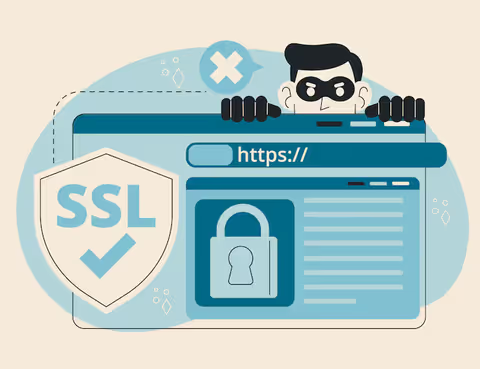
Secure Sockets Layer (SSL) is a technology used to establish a secure and encrypted connection between a user’s web browser and a website server. This encryption ensures that information exchanged between the user and the website remains private and protected from unauthorized access.
When a website uses SSL, data transmitted between the server and the visitor’s browser is encrypted using cryptographic protocols. This prevents attackers from intercepting sensitive information such as login credentials, personal details, or communication data.
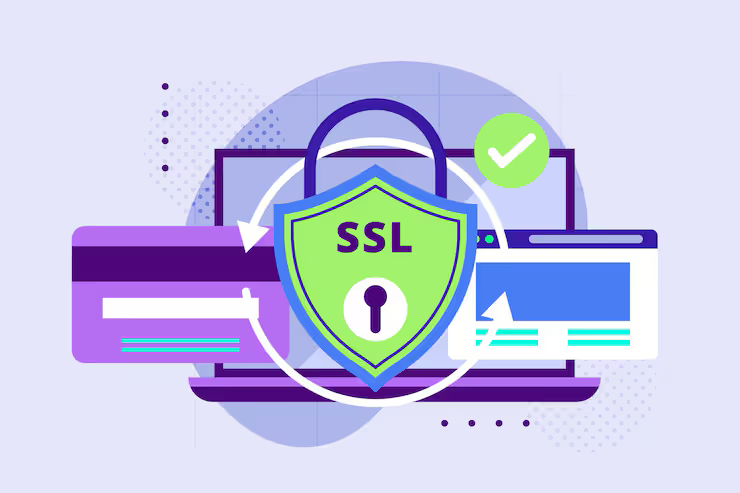
SSL technology was developed to address the need for secure communication on the internet. As online services expanded, websites began handling increasingly sensitive information including personal identities, messages, and digital transactions. Without encryption, such information could potentially be exposed during transmission.
SSL works by using digital certificates that verify a website’s identity and enable encrypted connections. When a browser connects to a secure website, the server provides a digital certificate issued by a trusted certificate authority. The browser verifies this certificate before establishing the encrypted connection.
Modern websites often use HTTPS, which stands for Hypertext Transfer Protocol Secure. HTTPS indicates that the website uses SSL or its updated protocol, Transport Layer Security (TLS), to protect communication.
The following table explains key components involved in SSL-based website security.
| Component | Function |
|---|---|
| SSL Certificate | Confirms the identity of a website |
| Encryption Protocol | Protects transmitted data |
| Certificate Authority | Issues trusted digital certificates |
| Browser Verification | Validates the authenticity of certificates |
| Secure Connection (HTTPS) | Indicates encrypted communication |
SSL exists to ensure that communication between websites and users remains secure and trustworthy.
Importance: Why SSL Matters for Modern Websites
Website security has become a critical concern as online activity continues to expand across industries. Websites now support communication, digital services, education platforms, online communities, and information exchange.
SSL plays an important role in maintaining secure communication between websites and users. Without encryption, data transmitted across the internet could potentially be intercepted or altered.
Several groups benefit from SSL-enabled website security.
Website Visitors
Users benefit from secure connections that protect personal information and browsing activity.
Website Owners
Organizations maintain credibility and protect their digital infrastructure by implementing secure communication protocols.
Developers and IT Teams
Technical teams rely on SSL to ensure secure data transmission and maintain system integrity.
Online Service Providers
Platforms that manage user accounts and communication require secure encryption systems to protect user data.
The following table highlights common online security risks and how SSL helps address them.
| Online Security Risk | SSL Protection Method |
|---|---|
| Data interception | Encryption of transmitted data |
| Identity impersonation | Certificate-based website verification |
| Data manipulation | Secure communication protocols |
| Unauthorized monitoring | Encrypted information exchange |
| Browser security warnings | HTTPS authentication verification |
Another important advantage is trust. Modern web browsers display visual indicators, such as a padlock icon, when a website uses a secure HTTPS connection. These indicators inform users that their connection to the website is encrypted.
Search engines and web platforms also encourage secure website practices, making SSL an important component of modern web infrastructure.
Recent Updates and Industry Trends
Website security technologies continue to evolve as cyber threats and digital services grow more complex. During 2024 and early 2025, several developments influenced how organizations implement secure communication protocols.
One notable trend is the increasing adoption of TLS, which is the updated version of the original SSL protocol. TLS provides stronger encryption methods and improved security mechanisms.
Another development involves automated certificate management systems. These systems help website administrators manage digital certificates more efficiently by automating certificate installation and renewal processes.
Browser security policies have also become stricter. Modern browsers now label websites without secure HTTPS connections as potentially unsafe, encouraging broader adoption of encryption technologies.
Additionally, many web hosting platforms now include built-in tools for managing website security certificates and monitoring encryption status.
The following table summarizes recent trends in SSL and web security.
| Trend | Description | Impact |
|---|---|---|
| TLS Adoption | Updated encryption protocols replacing older SSL versions | Stronger website security |
| Automated Certificate Management | Tools for automatic certificate installation and renewal | Simplified maintenance |
| Browser Security Warnings | Alerts for non-secure websites | Increased security awareness |
| Integrated Hosting Security Tools | Built-in SSL management features | Easier configuration |
| Advanced Encryption Algorithms | Improved cryptographic protection | Enhanced data privacy |
These trends demonstrate how web security technology continues to adapt to evolving digital environments.
Laws and Policies Affecting Website Security
Website security practices are influenced by a variety of legal frameworks and regulatory policies designed to protect digital information and ensure responsible data handling.
Data Protection Regulations
Many countries enforce privacy laws that regulate how organizations collect, process, and store personal data. Secure data transmission through encryption is often part of these compliance requirements.
Cybersecurity Regulations
Government agencies and industry organizations establish guidelines for protecting digital systems and preventing unauthorized access.
Consumer Protection Policies
Organizations that operate websites providing digital services must ensure that user information is handled securely and responsibly.
Digital Communication Standards
Technical standards bodies publish guidelines that promote secure internet protocols and encryption practices.
Government Digital Security Initiatives
Public sector programs often promote secure website practices and encourage organizations to implement encryption technologies.
Organizations implementing secure websites typically follow policies related to:
-
Encryption of sensitive communication
-
Protection of personal user information
-
Secure authentication systems
-
Monitoring of digital security risks
These policies help maintain trust and safety in online environments.
Tools and Resources for SSL Implementation
Several tools and resources support website administrators and developers in implementing and managing SSL security.
Certificate Authorities
Organizations that issue digital certificates verifying website identity.
Website Security Platforms
Tools that help monitor encryption status and detect vulnerabilities.
Hosting Provider Security Features
Many hosting services include built-in certificate management systems.
SSL Testing Tools
Online tools that analyze website security configuration and encryption quality.
Developer Documentation Resources
Technical guides that explain how to configure secure web protocols.
The following table summarizes categories of resources used in SSL implementation.
| Resource Category | Purpose |
|---|---|
| Certificate Authorities | Provide trusted digital certificates |
| Security Monitoring Tools | Detect website vulnerabilities |
| Hosting Security Systems | Manage certificate installation |
| SSL Testing Platforms | Evaluate encryption strength |
| Technical Documentation | Guide secure website configuration |
Using these resources helps organizations maintain secure and reliable website infrastructure.
FAQs About SSL and Website Security
What is SSL used for?
SSL is used to encrypt communication between a website server and a user’s browser, protecting data from unauthorized access.
What does HTTPS mean?
HTTPS indicates that a website uses SSL or TLS encryption to secure data transmission between the server and visitors.
How can users tell if a website uses SSL?
Web browsers typically display a padlock icon in the address bar when a website uses a secure HTTPS connection.
Is SSL still used today?
Modern websites primarily use TLS, which is an updated and more secure version of the original SSL protocol.
Why do websites need encryption?
Encryption protects sensitive information, helps prevent unauthorized data access, and ensures secure communication over the internet.
Final Thoughts
SSL technology plays a crucial role in protecting online communication and maintaining trust between websites and users. By encrypting data transmitted across the internet, secure protocols help safeguard personal information and digital interactions.
Advancements in encryption standards, automated certificate management, and browser security policies continue to strengthen website protection. At the same time, legal frameworks and cybersecurity guidelines encourage responsible data protection practices.

You may also like...

Everything You Need to Know About Online Yoga Options for a Healthier Lifestyle
Last Update: March 13, 2026
Read
Discover How Free Ticketing Systems Improve Issue Tracking and Support Management
Last Update: March 09, 2026
Read
Learn How TikTok Advertising Improves Brand Visibility and Audience Engagement
Last Update: March 09, 2026
Read