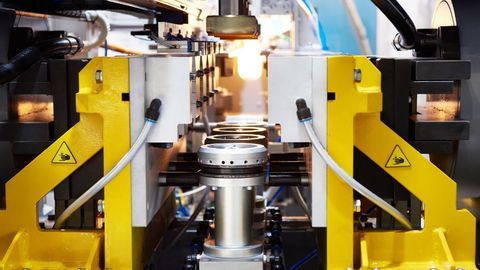
Dairy Product Machine Complete Guide to Modern Dairy Processing Technology
The dairy industry relies on advanced equipment to transform raw milk into a wide range of safe and high-quality dairy products. A Dairy Product Machine is designed to perform specific processing tasks such as pasteurization, homogenization, separation, mixing, filling, packaging, and cooling.
These machines help maintain product consistency, improve production efficiency, and support food safety standards throughout the manufacturing process.
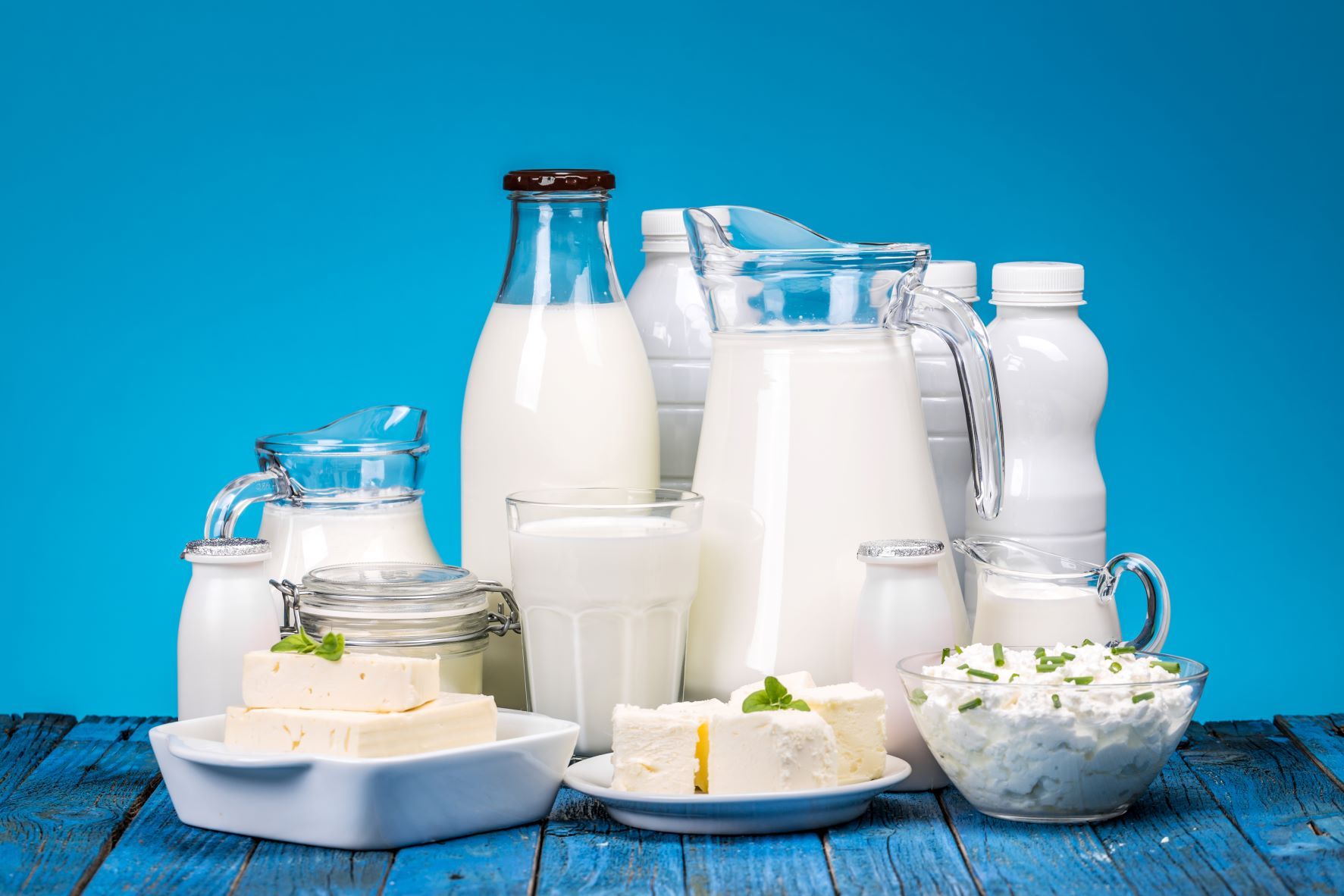
Modern dairy processing technology combines automation, precision controls, hygienic design, and energy-efficient systems to handle milk and dairy products with accuracy. From small processing facilities to large-scale production plants, dairy product machines play a vital role in producing milk, yogurt, cheese, butter, cream, and other dairy products.
This guide explains Dairy Product Machines, their working principles, major equipment types, applications, maintenance practices, safety measures, and the latest innovations in dairy processing technology.
What Is a Dairy Product Machine?
A Dairy Product Machine is specialized equipment used to process, handle, package, or preserve milk and milk-based products during various stages of dairy production. Different machines perform different operations depending on the type of dairy product being manufactured.
Common dairy processing equipment includes:
Milk pasteurizers
Homogenizers
Cream separators
Milk storage tanks
Mixing tanks
Cheese processing equipment
Yogurt production systems
Butter churns
Filling machines
Packaging systems
These machines work together to create an efficient dairy production process.
Why Dairy Product Machines Matter
Modern dairy processing requires precision, hygiene, and consistent quality.
Dairy product machines help:
Improve production efficiency
Maintain consistent product quality
Support hygienic processing
Reduce manual handling
Enhance process control
Increase production capacity
Reliable equipment contributes to efficient dairy manufacturing operations.
How Dairy Processing Works
Milk processing typically follows several carefully controlled stages.
Milk Collection
Fresh milk is transported to the processing facility and stored under controlled conditions.
Filtration
Milk passes through filtration systems to remove unwanted particles before processing.
Pasteurization
Milk is heated to a specific temperature for a defined period and then cooled rapidly to support food safety and product quality.
Homogenization
Milk is processed under pressure to evenly distribute fat particles, creating a smooth and uniform texture.
Product Processing
Depending on the final product, milk may undergo fermentation, churning, separation, mixing, or concentration.
Filling and Packaging
Processed dairy products are transferred into suitable containers using automated filling and packaging equipment.
Main Components of Dairy Product Machines
Modern dairy systems include several integrated components.
Key components include:
Processing tanks
Pumps
Heat exchangers
Pasteurization units
Homogenizers
Mixing systems
Filling equipment
Conveyors
Sensors
Digital control panels
Each component contributes to efficient and hygienic processing.
Types of Dairy Products Produced
Dairy processing equipment supports a wide range of products.
Examples include:
Fresh milk
Yogurt
Cheese
Butter
Cream
Ice cream mix
Flavored milk
Condensed milk
Milk powder
Fermented dairy products
Production methods vary depending on the product category.
Applications Across Industries
Dairy product machines are used in many food processing environments.
Milk Processing Plants
Large facilities process fresh milk for distribution and further manufacturing.
Cheese Production
Specialized equipment supports coagulation, curd handling, pressing, and maturation.
Yogurt Manufacturing
Fermentation tanks and mixing systems produce various yogurt products.
Butter Production
Butter churns convert cream into butter through controlled processing.
Food Manufacturing
Dairy ingredients are used in bakery products, beverages, desserts, and prepared foods.
Technologies Supporting Modern Dairy Processing
Today's dairy product machines increasingly incorporate advanced technologies.
Examples include:
Industrial Internet of Things (IIoT)
Automated process controls
Digital temperature monitoring
Smart flow sensors
Clean-in-Place (CIP) systems
Remote equipment monitoring
Predictive maintenance software
Production data analytics
These technologies improve operational efficiency while supporting product consistency.
Dairy Product Machine Overview
| Process Stage | Primary Purpose |
|---|---|
| Milk Collection | Receive raw milk |
| Filtration | Remove impurities |
| Pasteurization | Heat treatment for food safety |
| Homogenization | Improve texture consistency |
| Product Processing | Manufacture dairy products |
| Filling and Packaging | Prepare products for distribution |
Quality Control
Quality management is essential throughout dairy production.
Inspection activities commonly include:
Temperature monitoring
Product consistency evaluation
Hygiene inspections
Equipment performance testing
Packaging inspection
Laboratory quality analysis
These procedures help maintain product quality and process reliability.
Maintenance Considerations
Routine maintenance supports dependable machine performance.
Typical maintenance includes:
Inspecting pumps and valves
Cleaning processing equipment
Checking sensors
Lubricating mechanical components
Verifying control systems
Reviewing maintenance records
Preventive maintenance helps improve equipment lifespan and reduce operational interruptions.
Safety Considerations
Dairy processing equipment operates under controlled hygienic conditions.
Important safety practices include:
Following cleaning procedures
Inspecting equipment before operation
Using suitable protective equipment
Monitoring operating temperatures
Maintaining sanitation standards
Following food safety protocols
These practices contribute to safe and efficient production.
Environmental Considerations
Modern dairy facilities increasingly focus on resource efficiency.
Common initiatives include:
Water conservation systems
Energy-efficient processing equipment
Heat recovery technologies
Wastewater management
Sustainable packaging solutions
Production optimization
These approaches support environmentally responsible manufacturing.
Current Industry Trends
Dairy processing technology continues advancing through innovation.
Recent developments include:
Artificial intelligence-assisted process monitoring
Smart factory automation
Advanced hygienic equipment design
Digital production tracking
Automated quality inspection
Energy-efficient processing technologies
Sustainable manufacturing practices
These developments continue improving efficiency and product consistency.
Looking Ahead
Future Dairy Product Machines are expected to feature greater automation, intelligent process optimization, enhanced digital monitoring, and improved energy efficiency. Advances in robotics, artificial intelligence, and smart manufacturing systems are also likely to support more precise production while strengthening food safety and operational sustainability.
Why Understanding Dairy Product Machines Matters
Learning about a Dairy Product Machine provides valuable insight into how modern dairy products are manufactured efficiently and hygienically. From milk collection and pasteurization to packaging and quality control, these machines support every stage of dairy processing while maintaining consistent product standards.
Conclusion
A Dairy Product Machine is an essential part of modern dairy processing technology, enabling efficient production of milk, cheese, yogurt, butter, and other dairy products. Through advanced automation, hygienic engineering, digital monitoring, and routine maintenance, these machines support reliable and consistent food manufacturing. As dairy technology continues to evolve, modern processing equipment will remain central to efficient, safe, and sustainable dairy production.

Related Post...

Air Conditioning Complete Guide to Modern Cooling Systems and Indoor Comfort
Updated: October 15, 2026
Read More
HDPE Blow Molding Complete Advice to Modern Plastic Manufacturing
Updated: October 15, 2026
Read More
Food Packaging Machine Complete Insight to Modern Food Packaging Technology
Updated: September 11, 2026
Read More