Discover How Cable Manufacturing Machines Improve Production Efficiency and Accuracy
Cable Manufacturing Machines are industrial systems used to produce electrical cables, communication wires, fiber connections, and other types of insulated conductors. These machines play an important role in industries connected with electricity, transportation, telecommunications, construction, renewable energy, and consumer electronics.
The development of cable production equipment began alongside the expansion of electrical infrastructure during the industrial era. As cities, factories, and communication networks expanded, manufacturers needed reliable methods for producing large volumes of cables with consistent dimensions and insulation quality. Over time, machinery evolved from manually operated systems into automated production lines controlled by digital monitoring systems.
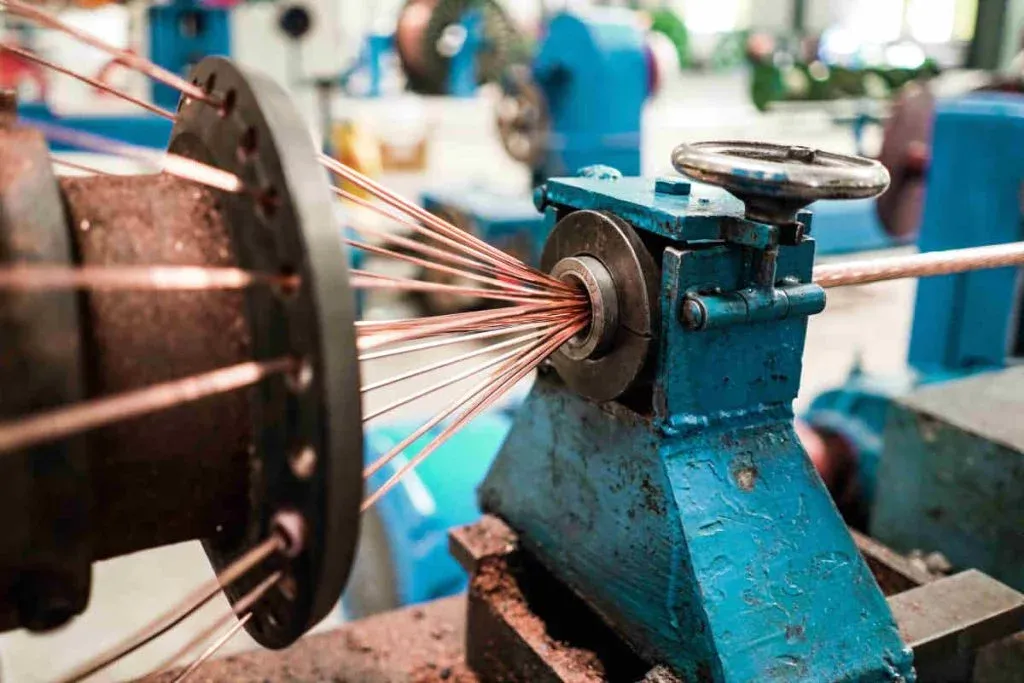
Modern Cable Manufacturing Machines are designed to handle several stages of cable production, including:
- Wire drawing
- Annealing
- Insulation coating
- Twisting and stranding
- Extrusion
- Cooling
- Testing and inspection
- Cable winding
These machines are often integrated into continuous production systems where raw materials move through multiple processing stages without interruption. Automation has improved production speed and helped manufacturers maintain consistent cable thickness, insulation quality, and structural strength.
Different industries require different cable types. Electrical cables used in homes differ from automotive wiring, fiber optic cables, and industrial power transmission cables. Because of this, manufacturers use specialized machinery depending on the intended application.
The table below shows common machine categories used in cable production:
| Machine Type | Main Function |
|---|---|
| Wire Drawing Machine | Reduces wire diameter |
| Extrusion Machine | Applies insulation layers |
| Stranding Machine | Combines multiple wires |
| Cable Testing Equipment | Checks electrical quality |
| Rewinding Machine | Organizes finished cable rolls |
Cable Manufacturing Machines continue evolving to support modern infrastructure systems, digital communication networks, and expanding energy requirements.
Importance
Cable production equipment is important because cables support many systems used in daily life. Electricity distribution, internet communication, transportation systems, industrial machinery, and renewable energy infrastructure all depend on reliable wiring.
Efficient Cable Manufacturing Machines help industries maintain consistent production standards while reducing material waste and improving operational accuracy. Since cables are often used in safety-sensitive environments, production precision is extremely important.
Several sectors rely heavily on cable manufacturing processes, including:
- Construction and infrastructure
- Automotive manufacturing
- Renewable energy systems
- Telecommunications networks
- Consumer electronics production
- Railway and transportation systems
Modern cities depend on electrical and communication networks that require durable and properly insulated cables. Manufacturing accuracy helps reduce risks connected with overheating, electrical faults, or signal interruption.
The following table explains how different sectors use cable systems:
| Sector | Cable Application |
|---|---|
| Residential Construction | Electrical wiring |
| Telecommunications | Internet and data transfer |
| Renewable Energy | Solar and wind connections |
| Automotive Industry | Vehicle electrical systems |
| Healthcare Equipment | Medical device wiring |
Production efficiency also matters because global infrastructure demand continues growing. Expanding digital communication systems, electric mobility projects, and smart infrastructure require increasing amounts of reliable cabling.
Another important factor involves material management. Copper, aluminum, polymers, and insulation compounds must be processed carefully to reduce unnecessary waste during manufacturing operations. Automated machinery supports more accurate material usage and improves production consistency.
Cable Manufacturing Machines additionally contribute to workplace safety by reducing manual handling and improving monitoring of high-temperature and high-speed production processes.
Recent Updates
Between 2024 and 2026, cable production technology continued moving toward automation, energy efficiency, and digital monitoring systems. Manufacturers increasingly integrated smart sensors and computer-controlled systems into production lines.
One major trend involves Industry 4.0 integration. Cable Manufacturing Machines now often include real-time monitoring systems that track production speed, wire tension, insulation thickness, and equipment performance.
Recent developments include:
- AI-assisted quality inspection
- Automated defect detection
- Energy-efficient extrusion systems
- Smart maintenance monitoring
- Advanced cooling technologies
- Digital production tracking
The table below highlights recent technology trends in cable manufacturing:
| Technology Trend | Production Impact |
|---|---|
| Smart Sensors | Improve monitoring accuracy |
| AI Inspection Systems | Detect defects earlier |
| Automation Software | Improve workflow control |
| Energy-Efficient Equipment | Reduce energy consumption |
| Digital Data Tracking | Improve production analysis |
Fiber optic cable production also expanded due to growing internet infrastructure projects and increasing demand for high-speed communication networks.
Environmental concerns influenced machinery development as well. Many manufacturers now focus on reducing industrial emissions and improving recycling processes connected with insulation materials and metal recovery systems.
Another noticeable trend involves compact machine layouts designed to improve factory space management. Modular equipment systems allow manufacturers to adjust production lines depending on cable type and production requirements.
Remote monitoring tools became more common during this period. Production managers can now observe equipment performance through centralized digital dashboards connected to industrial networks.
Laws or Policies
Cable Manufacturing Machines operate within industrial regulations connected with workplace safety, environmental protection, electrical standards, and manufacturing quality requirements.
Governments and industrial authorities often establish technical standards for cable products used in residential buildings, transportation systems, and public infrastructure. Manufacturers must ensure that produced cables meet safety and performance requirements.
Important regulatory areas include:
- Electrical safety standards
- Industrial worker protection rules
- Environmental emission regulations
- Fire resistance requirements
- Waste management policies
- Machinery operation guidelines
The table below outlines common regulatory categories:
| Regulation Area | Main Purpose |
|---|---|
| Electrical Standards | Maintain cable safety |
| Workplace Safety Rules | Protect machine operators |
| Environmental Policies | Reduce industrial pollution |
| Quality Certification | Verify production consistency |
| Fire Safety Standards | Improve cable durability |
Many countries follow international technical standards developed by organizations related to electrical engineering and industrial manufacturing. These standards define testing procedures, insulation requirements, and material specifications.
Environmental policies increasingly encourage responsible handling of industrial waste, including metal scraps, insulation materials, and cooling fluids. Manufacturers may also follow recycling guidelines connected with copper and polymer recovery.
Machine operators are commonly required to follow workplace safety procedures involving protective equipment, emergency shutdown systems, and operational training. Automated safety systems are increasingly integrated into modern machinery to reduce accident risks.
Digital monitoring systems may also involve cybersecurity considerations, especially in factories connected to centralized industrial control networks.
Tools and Resources
Several tools and digital resources support the operation and management of Cable Manufacturing Machines. These resources help manufacturers monitor production quality, improve operational efficiency, and maintain equipment performance.
Computer-based production management systems are commonly used to monitor cable dimensions, insulation thickness, machine speed, and energy consumption. These systems help operators identify production irregularities more quickly.
Common tools used in cable manufacturing environments include:
- Wire tension monitoring systems
- Industrial automation software
- Cable testing instruments
- Thermal inspection devices
- Production scheduling platforms
- Quality control databases
The following table explains commonly used resources:
| Tool or Resource | Main Purpose |
|---|---|
| PLC Control Systems | Manage machine automation |
| Thermal Sensors | Monitor equipment temperature |
| Quality Testing Equipment | Verify cable performance |
| Production Analytics Software | Track manufacturing data |
| Maintenance Platforms | Schedule inspections |
Technical manuals and industrial training materials also help machine operators understand maintenance procedures and safety guidelines.
Simulation software is increasingly used during factory planning and production line design. These systems allow engineers to evaluate machine layouts and production flow before installation.
Industry organizations and engineering platforms additionally publish technical standards, research papers, and manufacturing guidelines related to cable production processes and industrial safety.
FAQs
What are Cable Manufacturing Machines used for?
Cable Manufacturing Machines are used to produce electrical cables, communication wires, and insulated conductors for industrial, residential, and transportation applications.
How do Cable Manufacturing Machines improve production accuracy?
These machines use automated controls, digital sensors, and monitoring systems to maintain consistent wire dimensions, insulation thickness, and production quality.
What industries use Cable Manufacturing Machines?
Industries such as telecommunications, construction, renewable energy, transportation, and consumer electronics rely on cable production equipment.
Why is automation important in cable manufacturing?
Automation helps reduce manual errors, improve production consistency, increase operational efficiency, and support safer industrial environments.
What materials are commonly processed in Cable Manufacturing Machines?
Common materials include copper, aluminum, plastic insulation compounds, fiber materials, and protective coatings used for electrical and communication cables.
Conclusion
Cable Manufacturing Machines play an important role in producing the wiring systems used in modern infrastructure, communication networks, transportation systems, and industrial operations. Advances in automation, digital monitoring, and energy-efficient equipment continue shaping modern cable production processes. Regulatory standards help maintain workplace safety, environmental responsibility, and cable quality consistency. As global demand for electrical and communication infrastructure grows, manufacturing technology continues evolving to support reliable and accurate cable production.

Related Post...

Fabric Dyeing Machine Complete Overview to Modern Textile Processing Technology
Updated: September 10, 2026
Read More
Blow Molding Machines Complete Advice to Modern Plastic Manufacturing
Updated: September 08, 2026
Read More
Extrusion Molding Machines Complete Guide to Modern Plastic Manufacturing
Updated: September 04, 2026
Read More