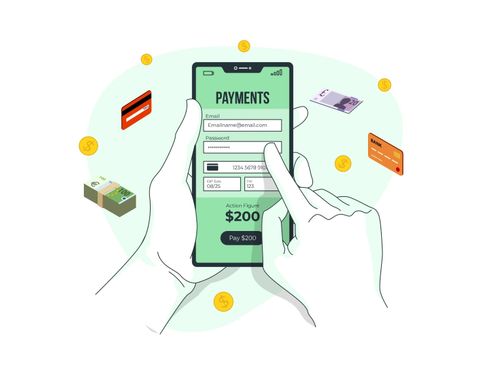
Global Payment Gateway Guide: Simplifying International Digital Transactions
As digital commerce continues to expand across borders, businesses and consumers increasingly rely on secure and efficient methods to transfer money online.
Whether someone is purchasing a product from another country, subscribing to a digital platform, or making an online reservation, electronic payments have become an essential part of everyday life.
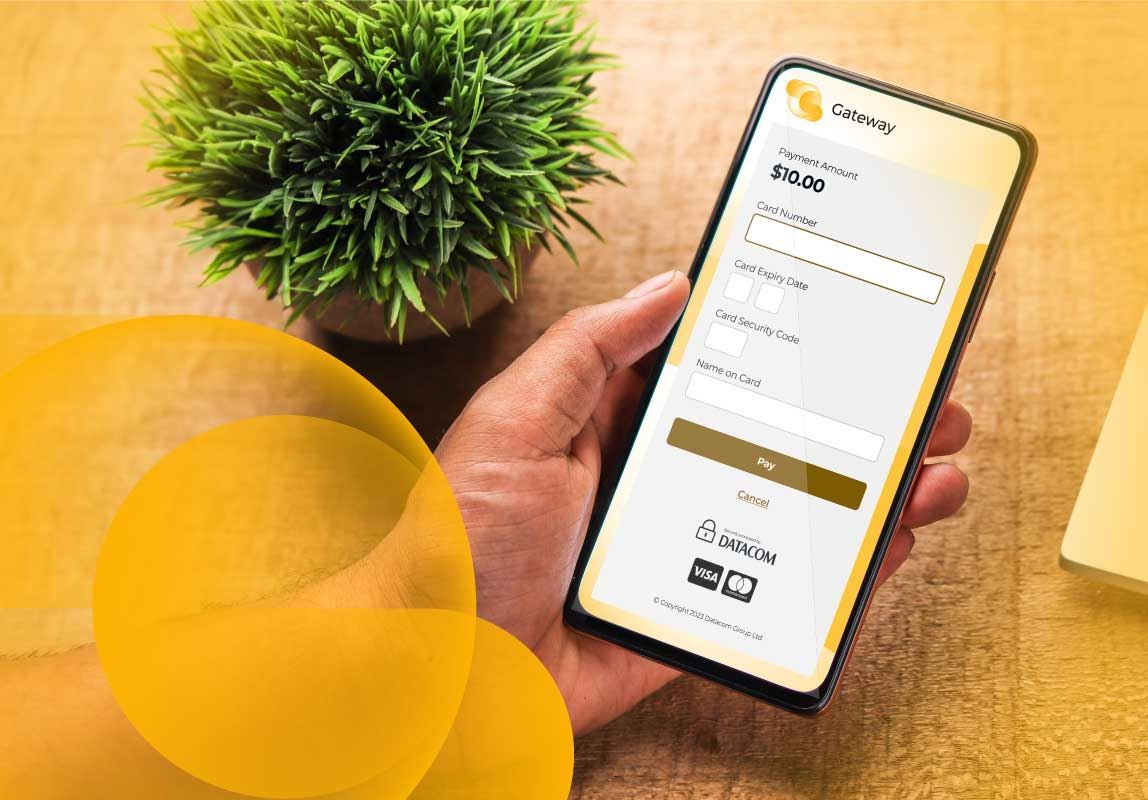
At the center of many online transactions is a Global Payment Gateway. While the technology behind payment processing may seem complex, its purpose is straightforward: helping payment information move safely between customers, merchants, financial institutions, and payment networks.
Understanding how payment gateways work can help businesses and consumers navigate digital transactions with greater confidence. This guide explains the role of a Global Payment Gateway, its features, benefits, challenges, and its growing importance in international commerce.
What Is a Global Payment Gateway?
A Global Payment Gateway is a technology platform that facilitates online payment processing across multiple countries, currencies, and payment methods.
When a customer enters payment information during an online transaction, the payment gateway securely transmits that information between various parties involved in the payment process.
These parties may include:
Customers
Merchants
Banks
Payment processors
Card networks
The gateway acts as a secure communication bridge, helping transactions move efficiently from initiation to approval.
Why Payment Gateways Matter in Digital Commerce
Online transactions happen within seconds, but multiple systems work together behind the scenes.
Without payment gateway technology, businesses would face significant challenges when handling digital payments.
Payment gateways help:
Process online payments securely
Support multiple payment methods
Handle currency transactions
Verify payment information
Reduce transaction errors
Improve checkout experiences
As international commerce grows, the need for reliable payment infrastructure becomes increasingly important.
How a Global Payment Gateway Works
Understanding the payment process can make the concept easier to understand.
Step 1: Customer Initiates Payment
A customer selects products or completes an online transaction and enters payment information.
Step 2: Information Encryption
The payment gateway encrypts sensitive information to protect data during transmission.
Step 3: Verification Process
The gateway forwards the information for authorization and verification.
Step 4: Approval or Decline
The payment network and financial institution review the request and return a response.
Step 5: Transaction Completion
If approved, the transaction proceeds and confirmation is sent to the customer and merchant.
This process typically occurs within a few seconds.
Key Features of a Global Payment Gateway
Modern payment gateways include numerous features designed to support international digital transactions.
Multi-Currency Support
Global businesses often interact with customers from different countries.
Multi-currency capabilities allow transactions to occur using various currencies, improving convenience for users worldwide.
Secure Data Protection
Security remains one of the most important aspects of payment processing.
Gateways commonly utilize:
Encryption technologies
Secure authentication methods
Fraud detection systems
Transaction monitoring tools
These measures help protect sensitive payment information.
Multiple Payment Methods
Consumers use a variety of payment options.
Many gateways support:
Credit cards
Debit cards
Digital wallets
Bank transfers
Mobile payment platforms
Providing payment flexibility can improve transaction accessibility.
Cross-Border Processing
A Global Payment Gateway supports payments across multiple regions and countries, helping businesses connect with international audiences.
Benefits for Businesses
Businesses operating online often depend on payment gateways to support daily operations.
Expanded Market Reach
International payment acceptance allows businesses to interact with customers located in different regions.
Simplified Payment Management
Centralized payment processing can help streamline transaction management.
Improved Transaction Efficiency
Automated payment workflows reduce manual processing requirements.
Enhanced Security
Built-in security features help businesses address payment-related risks and compliance requirements.
These benefits contribute to smoother digital commerce operations.
Benefits for Customers
Consumers also benefit from modern payment gateway technology.
Convenience
Customers can complete transactions quickly without visiting physical locations.
Multiple Payment Choices
Various payment options allow individuals to select methods that fit their preferences.
Faster Processing
Many transactions are completed within moments.
Security Measures
Encryption and verification systems help protect sensitive information during online payments.
These advantages support positive user experiences during digital transactions.
Security and Fraud Prevention
Security is one of the most critical aspects of payment processing.
Cyber threats continue to evolve, making protection measures increasingly important.
Common security features include:
Data Encryption
Encryption converts payment data into protected formats during transmission.
Tokenization
Sensitive information may be replaced with unique tokens, reducing exposure risks.
Fraud Monitoring
Automated systems can analyze transaction patterns and identify unusual activity.
Authentication Processes
Additional verification steps may be used to confirm user identity.
Together, these technologies help strengthen payment security.
Challenges in International Payment Processing
Despite significant advancements, international payments still face several challenges.
Currency Conversion
Transactions involving different currencies require accurate conversion processes.
Regulatory Compliance
Different countries maintain unique financial regulations and requirements.
Fraud Risks
Cross-border transactions may present additional fraud-related challenges.
Payment Preferences
Consumers in different regions often favor different payment methods.
Understanding these factors helps businesses create effective payment strategies.
Choosing a Payment Gateway
Organizations evaluating payment gateway solutions often consider several factors.
Geographic Coverage
A gateway should support regions where customers are located.
Payment Method Availability
Different customer groups may prefer different payment options.
Security Standards
Strong security practices remain essential for protecting transactions.
Integration Capabilities
The gateway should work effectively with existing digital platforms and business systems.
Scalability
As businesses grow, payment infrastructure should accommodate increasing transaction volumes.
Careful evaluation helps ensure long-term compatibility.
The Future of Global Payment Gateways
Digital payments continue to evolve rapidly.
Several trends are influencing the future of payment technology.
Artificial Intelligence
AI-driven tools help identify unusual transaction patterns and improve fraud detection.
Mobile Payments
Smartphone-based transactions continue to increase worldwide.
Contactless Transactions
Consumers increasingly use touchless payment methods for convenience.
Real-Time Processing
Payment systems are moving toward faster transaction completion.
Digital Commerce Growth
As online commerce expands globally, payment gateway technology will remain a critical component of digital infrastructure.
These developments may create even more seamless payment experiences in the future.
Global Payment Gateways and Business Growth
For organizations participating in international commerce, payment gateways play an important role in supporting customer interactions.
Reliable payment processing can contribute to:
Improved customer satisfaction
Streamlined operations
Broader international reach
Efficient transaction management
Enhanced digital experiences
As digital commerce continues to connect people and businesses worldwide, payment technology remains a key part of that ecosystem.
Conclusion
A Global Payment Gateway helps simplify international digital transactions by securely connecting customers, merchants, financial institutions, and payment networks. Through encryption, multi-currency support, fraud protection, and efficient processing, payment gateways enable online commerce to function across borders.
As technology continues to evolve, payment gateways are expected to become even more sophisticated, supporting faster, safer, and more convenient digital transactions. Understanding how these systems work can help businesses and consumers make informed decisions in an increasingly connected global economy.

Related Post...

AI Medicine Complete Guide to Intelligent Healthcare Technologies and Patient Care
Updated: September 16, 2026
Read More
Explore How Online BBA Marketing Programs Build Strong Business Knowledge
Updated: September 11, 2026
Read More
PayPal Competitors Complete Advice to Popular Digital Payment Platforms
Updated: September 24, 2026
Read More