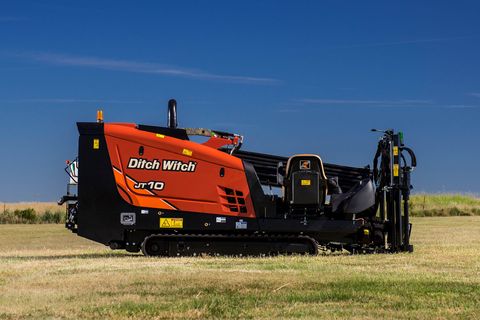
Industrial Robots Complete Guide to Automation Manufacturing and Smart Production
Walk into a modern factory today, and you are likely to see robotic arms assembling products, moving materials, welding metal parts, or inspecting finished items with impressive precision. While robots were once associated mainly with science fiction, they have become a familiar part of manufacturing around the world.
Industrial Robots help factories perform repetitive tasks consistently while working alongside advanced digital systems and skilled operators.
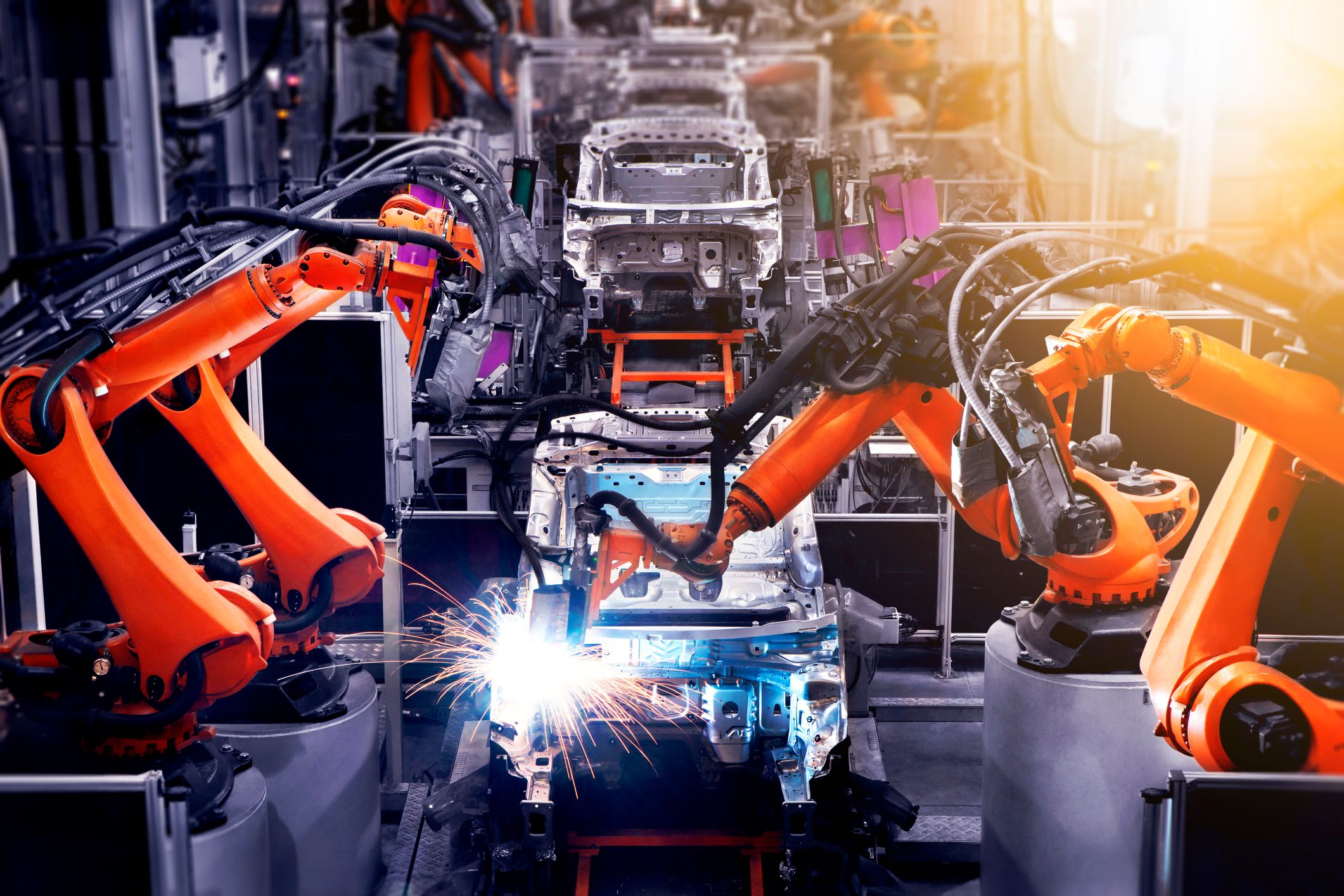
Industrial robots are not designed to replace every human activity. Instead, they are built to handle specific production tasks that require precision, repeatability, or continuous operation. Modern manufacturing combines robotics with automation, artificial intelligence, sensors, and data analysis to create smarter production environments.
This guide explains what Industrial Robots are, how they work, the different types available, their applications across industries, and the technologies driving the future of factory automation.
Understanding Industrial Robots
Industrial Robots are programmable machines designed to perform manufacturing and industrial tasks automatically. They can move with high accuracy, follow programmed instructions, and repeat the same process many times while maintaining consistent performance.
Unlike general-purpose robots seen in movies, industrial robots are developed for clearly defined tasks within production environments.
They are commonly used in:
- Automotive manufacturing
- Electronics production
- Food processing
- Pharmaceutical manufacturing
- Metal fabrication
- Packaging operations
- Warehousing
- Logistics
- Chemical processing
- Plastic manufacturing
Each robot is programmed according to the requirements of the production process.
Why Industrial Robots Matter
Manufacturing often involves repetitive activities that require consistent precision over long periods. Industrial Robots help factories organize these tasks efficiently while supporting product quality.
Some common objectives include:
- Improving production consistency
- Supporting workplace safety
- Handling repetitive tasks
- Increasing production flexibility
- Reducing production interruptions
- Assisting with quality inspections
Robots also allow human workers to focus on activities that require judgment, creativity, and complex decision-making.
How Industrial Robots Work
Although designs vary, most industrial robots follow a similar operating process.
Programming
Every robot receives instructions that define its movements and tasks.
Programming may be completed through dedicated software or teaching devices.
Sensors
Sensors provide information about position, movement, nearby objects, and operating conditions.
These inputs allow the robot to perform tasks accurately.
Motion Control
Electric motors and control systems move the robot through carefully planned motions.
The robot follows programmed paths while adjusting movement when necessary.
Task Completion
The robot performs activities such as welding, lifting, painting, assembling, or inspection according to its assigned program.
Main Components of Industrial Robots
Several important parts work together during operation.
Robotic Arm
The robotic arm provides movement similar to a human arm, allowing the robot to reach different positions.
End Effector
The end effector is the tool attached to the robot.
Examples include:
- Grippers
- Welding tools
- Vacuum cups
- Spray nozzles
- Inspection cameras
The selected tool depends on the production task.
Controller
The controller functions as the robot's computer, processing instructions and coordinating movements.
Sensors
Sensors monitor movement, position, force, temperature, and surrounding conditions.
Drive System
Electric motors provide the movement required for accurate positioning.
Types of Industrial Robots
Manufacturing uses several different robot designs.
Articulated Robots
These robots have multiple rotating joints that provide excellent flexibility.
They are widely used in automotive and general manufacturing.
SCARA Robots
SCARA robots perform high-speed assembly and handling operations.
Their design supports precise horizontal movement.
Cartesian Robots
Cartesian robots move along straight X, Y, and Z axes.
They are commonly used for material handling and machine loading.
Delta Robots
Delta robots perform lightweight, high-speed operations such as packaging and sorting.
Collaborative Robots
Collaborative robots, often called cobots, are designed to work safely alongside people in shared workspaces.
Industries That Use Industrial Robots
Industrial Robots support many sectors beyond traditional manufacturing.
Automotive Industry
Vehicle production uses robots for welding, painting, assembly, and quality inspection.
Electronics Manufacturing
Robots assemble delicate electronic components with high precision.
Food Processing
Food production facilities use robots for packaging, sorting, palletizing, and handling products.
Pharmaceutical Manufacturing
Robots support precise handling, packaging, and inspection processes in controlled environments.
Warehousing and Logistics
Distribution centers use robotic systems for material movement, inventory handling, and package sorting.
Automation and Smart Manufacturing
Industrial Robots play an important role in smart factories.
Connected manufacturing systems combine robots with:
- Artificial intelligence
- Internet of Things devices
- Smart sensors
- Machine vision
- Automated conveyors
- Production management software
These technologies help factories monitor production in real time.
Machine Vision
Many robots include camera-based vision systems.
Machine vision helps robots:
- Identify objects
- Measure dimensions
- Detect product defects
- Position components
- Read labels
Vision technology improves flexibility during manufacturing.
Safety in Robotic Operations
Modern robotic systems include multiple safety features.
Common examples include:
- Emergency stop systems
- Safety fences
- Light curtains
- Motion monitoring
- Speed control
- Safety sensors
These systems help protect workers while supporting reliable production.
Industrial Robots Overview
| Robot Type | Typical Application |
|---|---|
| Articulated Robot | Welding and assembly |
| SCARA Robot | Fast assembly operations |
| Cartesian Robot | Material handling |
| Delta Robot | Packaging and sorting |
| Collaborative Robot | Human-robot teamwork |
Technology Trends
Industrial robotics continues evolving through digital innovation.
Recent developments include:
- Artificial intelligence integration
- Machine learning applications
- Digital twin technology
- Cloud-based monitoring
- Predictive maintenance
- Improved machine vision
- Smarter collaborative robots
These technologies help improve production flexibility while supporting efficient operations.
Looking Ahead
As manufacturing continues advancing, Industrial Robots are becoming more intelligent, connected, and adaptable. Future developments are expected to include improved artificial intelligence, enhanced autonomous decision-making, better energy efficiency, and stronger integration with smart factory systems.
These innovations will continue supporting modern production while helping manufacturers respond to changing operational requirements.
Why Understanding Industrial Robots Matters
Even people who never work inside a factory encounter products manufactured with robotic assistance. Vehicles, electronic devices, household appliances, food packaging, medical equipment, and countless everyday products often pass through automated production lines before reaching consumers.
Learning about Industrial Robots provides a better understanding of how engineering, computer science, automation, and manufacturing work together to support efficient production while maintaining consistent quality.
Conclusion
Industrial Robots have become an essential part of modern manufacturing by performing repetitive tasks with precision, supporting automation, and improving production efficiency. Combined with artificial intelligence, machine vision, smart sensors, and connected factory systems, these machines help industries adapt to changing production demands. As technology continues advancing, Industrial Robots will remain an important part of smart manufacturing and the future of industrial automation.

Related Post...
Blow Molding Machines Complete Guide to Modern Plastic Manufacturing
Updated: September 17, 2026
Read More
Fabric Dyeing Machine Complete Advice to Modern Textile Processing Technology
Updated: September 11, 2026
Read More
Blow Molding Machines Complete Advice to Modern Plastic Manufacturing
Updated: September 08, 2026
Read More