Secure Checkout Complete Guide to Safe Online Transactions and Payment Protection
Online shopping, digital subscriptions, ticket reservations, and electronic payments have become a regular part of daily life. Whether someone is purchasing household items, paying utility bills, or booking travel arrangements, most transactions now happen through websites and mobile applications. As digital commerce continues to grow, the importance of a Secure Checkout process has become increasingly clear.
A Secure Checkout system is designed to protect sensitive payment information during online transactions. It helps reduce the risk of unauthorized access, data theft, and payment fraud while creating a safer environment for both consumers and businesses.
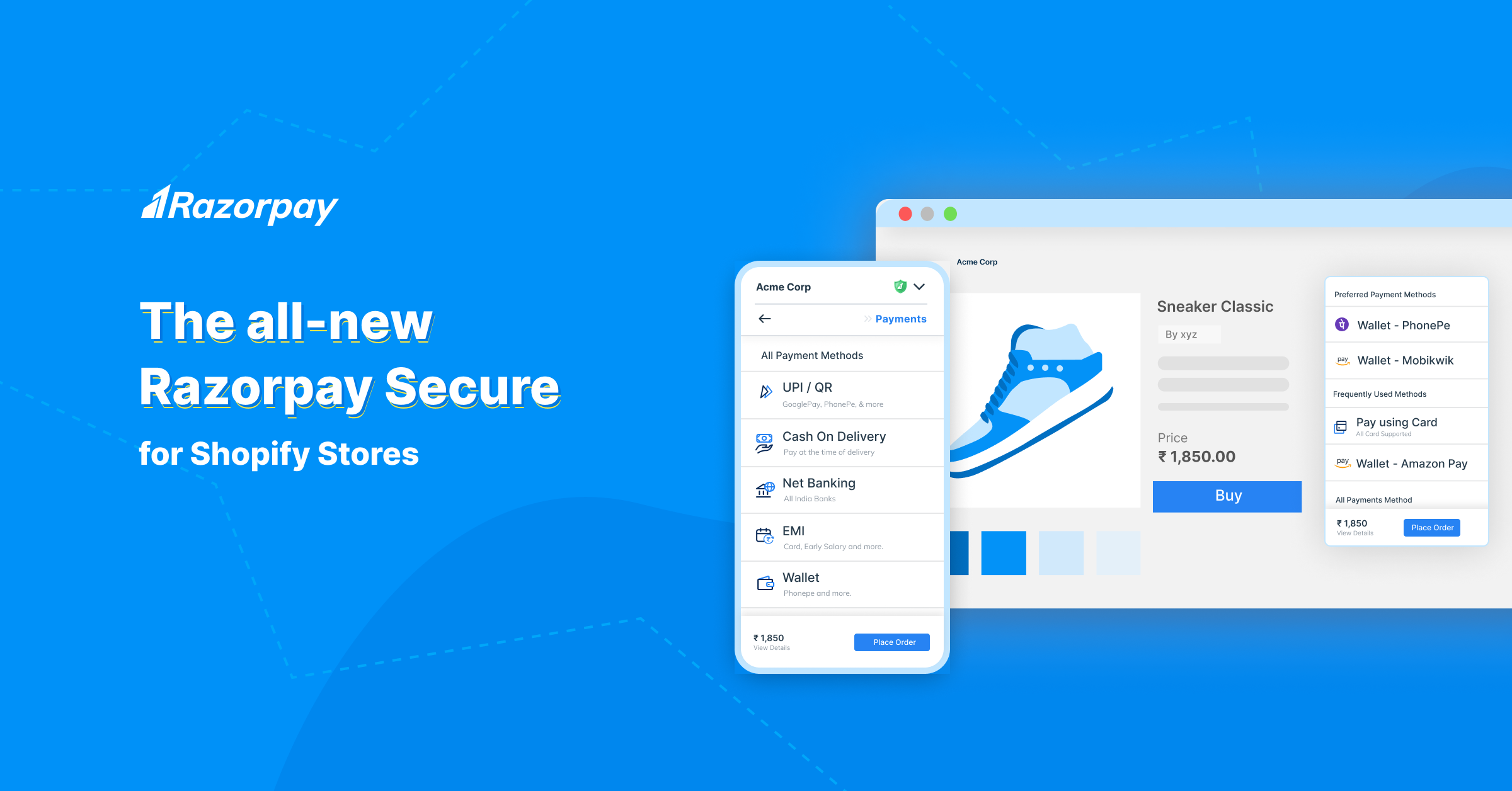
Understanding how Secure Checkout works can help people make informed decisions when completing online payments. Even individuals with limited technical knowledge can benefit from learning the basic principles behind digital payment protection.
What Is Secure Checkout?
Secure Checkout refers to the technologies, procedures, and security measures used to protect payment information during online transactions.
When a customer enters payment details, personal information, or billing data, the checkout process helps ensure that this information is transmitted and stored safely.
A typical Secure Checkout process may involve:
- Data encryption
- Identity verification
- Secure payment gateways
- Fraud detection systems
- Authentication procedures
These measures work together to reduce security risks during transactions.
Why Secure Checkout Matters
Digital payments involve sensitive information such as card numbers, account details, addresses, and contact information.
Without proper security measures, this information could be exposed to cybercriminals.
Protecting Personal Information
One of the primary goals of Secure Checkout is safeguarding personal data from unauthorized access.
Reducing Fraud Risks
Security systems help identify suspicious activity before transactions are completed.
Building Consumer Confidence
People are generally more comfortable completing transactions when security protections are visible and clearly explained.
Supporting Regulatory Compliance
Many organizations must follow privacy and financial regulations that require secure handling of customer information.
These factors make payment security an essential part of modern digital commerce.
How Secure Checkout Works
Several technologies work together during the checkout process.
Data Encryption
Encryption converts readable information into coded data.
When payment information is transmitted between a user's device and a website, encryption helps prevent unauthorized parties from viewing the data.
Even if information is intercepted, encrypted data is much more difficult to interpret.
Secure Payment Gateways
Payment gateways act as intermediaries between customers, financial institutions, and merchants.
Their role typically includes:
- Processing transactions
- Verifying payment details
- Protecting sensitive information
- Confirming transaction status
Secure gateways reduce direct exposure of payment information.
Authentication Systems
Authentication verifies that the person initiating the transaction is authorized to do so.
Examples include:
- One-time passwords (OTP)
- Verification codes
- Biometric confirmation
- Multi-factor authentication
These additional steps improve security during payments.
Fraud Monitoring
Automated monitoring systems continuously evaluate transaction patterns.
Unusual activities may trigger alerts or additional verification procedures.
Common Security Features Found in Secure Checkout Systems
Modern checkout systems often include multiple layers of protection.
HTTPS Website Encryption
A secure website typically uses HTTPS rather than HTTP.
The "S" stands for secure and indicates encrypted communication.
Users can often identify secure websites through a padlock icon displayed in their browser.
Tokenization
Tokenization replaces sensitive payment information with unique digital tokens.
This process reduces the exposure of actual payment details.
Address Verification
Some systems compare billing information against financial institution records to verify authenticity.
Device Recognition
Security tools may analyze devices used during transactions to identify unusual activity.
These features help create additional protection layers.
Signs of a Secure Checkout Environment
Consumers can often identify secure payment environments by looking for several indicators.
| Security Indicator | Purpose |
|---|---|
| HTTPS Connection | Encrypted communication |
| Browser Padlock Icon | Secure website verification |
| Multi-Factor Authentication | Identity confirmation |
| Recognized Payment Providers | Secure transaction processing |
| Privacy Information | Data handling transparency |
Reviewing these indicators can help users make safer decisions online.
Common Threats During Online Transactions
Understanding potential risks helps consumers recognize the importance of payment security.
Phishing Attempts
Phishing occurs when attackers attempt to collect personal information through fraudulent websites or messages.
These communications often appear legitimate at first glance.
Data Breaches
Cybersecurity incidents may expose stored customer information.
Organizations use security measures to reduce these risks.
Malware
Malicious software can capture login credentials or payment details from infected devices.
Keeping devices updated may help reduce vulnerability.
Public Wi-Fi Risks
Public internet connections may provide opportunities for unauthorized monitoring of online activity.
Sensitive transactions are generally safer on trusted networks.
Safe Practices for Consumers
A Secure Checkout system works most effectively when users follow good security habits.
Create Strong Passwords
Strong passwords typically combine:
- Uppercase letters
- Lowercase letters
- Numbers
- Special characters
Unique passwords for different accounts improve protection.
Enable Multi-Factor Authentication
Additional authentication steps create another security layer beyond passwords.
Review Website Addresses Carefully
Fraudulent websites sometimes mimic legitimate platforms.
Checking web addresses carefully can help identify suspicious sites.
Monitor Financial Activity
Regularly reviewing account statements can help identify unusual transactions.
Avoid Sharing Sensitive Information
Personal financial information should only be entered on trusted and verified websites.
The Role of Businesses in Secure Checkout
Organizations also play an important role in maintaining secure payment environments.
Security Updates
Regular software updates help address newly discovered vulnerabilities.
Employee Training
Staff awareness supports stronger cybersecurity practices.
Data Protection Policies
Clear policies guide how customer information is collected, processed, and stored.
Incident Response Planning
Prepared response procedures help organizations react quickly to security incidents.
These efforts contribute to a safer digital ecosystem.
Emerging Technologies in Payment Protection
Payment security continues to evolve as technology advances.
Artificial Intelligence
AI systems increasingly assist with fraud detection and transaction monitoring.
They can identify unusual patterns more quickly than traditional methods.
Biometric Authentication
Fingerprint and facial recognition technologies are becoming more common.
These methods provide additional identity verification options.
Behavioral Analysis
Advanced systems may analyze user behavior patterns to detect suspicious activity.
Digital Wallet Integration
Digital wallets add another layer of protection by reducing direct exposure of payment information.
These technologies continue shaping the future of Secure Checkout systems.
Future Trends in Secure Checkout
Several trends are expected to influence online payment security.
Emerging developments include:
- Faster authentication processes
- Enhanced privacy protections
- Real-time fraud detection
- Improved mobile payment security
- Expanded biometric verification
- Stronger encryption standards
As digital commerce grows, security innovations will remain an important focus.
Conclusion
Secure Checkout plays a vital role in protecting personal and financial information during online transactions. Through encryption, authentication systems, payment gateways, and fraud monitoring tools, these systems help create safer digital payment environments. Consumers can further strengthen protection by following responsible online security practices and remaining aware of potential threats. As technology continues to evolve, Secure Checkout solutions will continue supporting safer and more reliable online payment experiences.

Related Post...

Insurance Coverage Complete Guide to Protecting Your Financial Future
Updated: August 03, 2026
Read More
How Motorcycle Accident Attorneys Help Protect Your Legal Rights After a Crash
Updated: August 03, 2026
Read More