Semiconductor Companies: Discover Innovations Shaping Modern Electronics
Semiconductors are an essential part of modern technology. They help electronic devices process information, store data, communicate with networks, and manage electrical power.
From smartphones and computers to electric vehicles and medical equipment, semiconductors support many of the technologies people use every day.
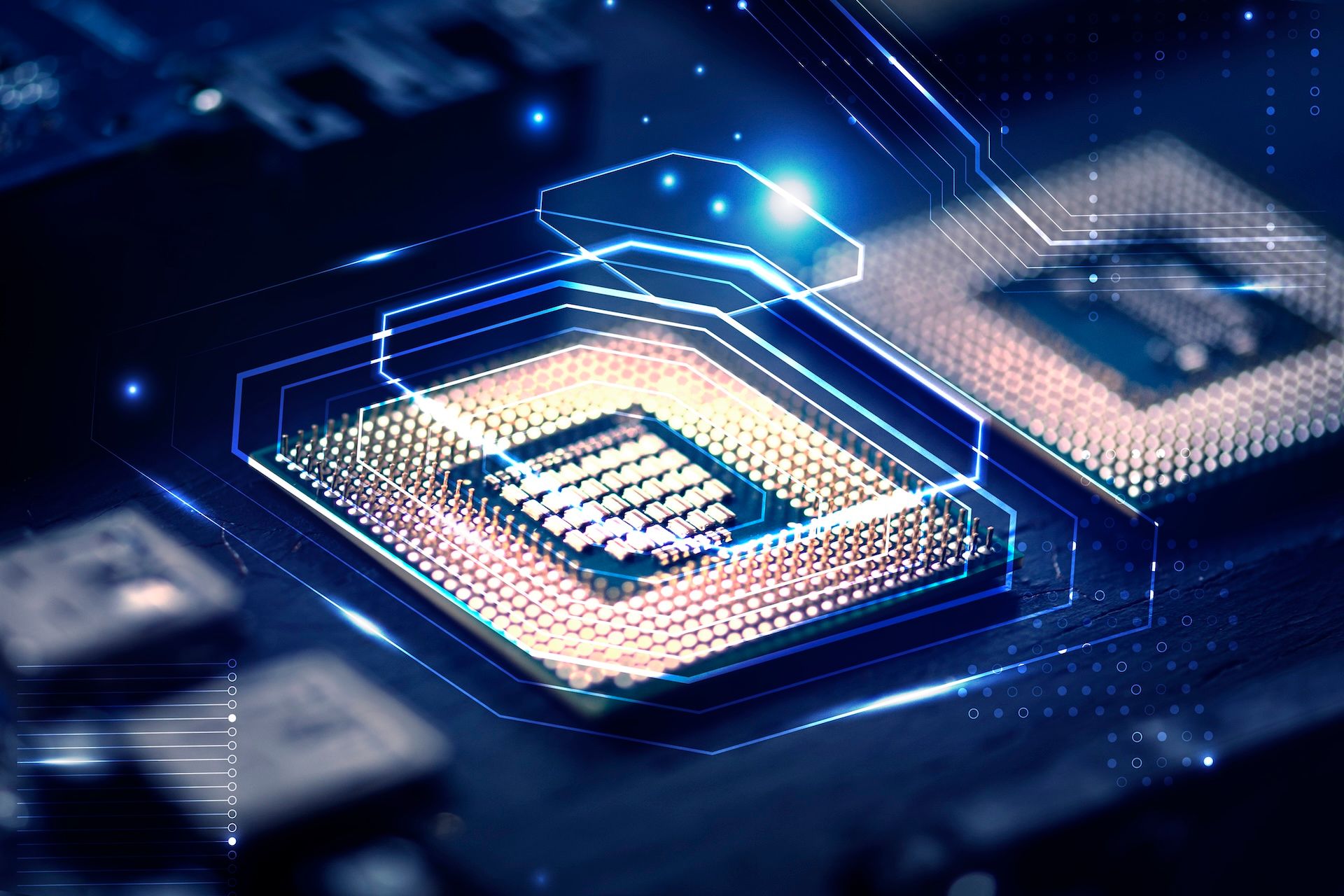
Semiconductor Companies design, develop, manufacture, and test the chips that make these functions possible. Their work combines physics, materials science, computer engineering, and advanced manufacturing techniques. As digital technology continues to evolve, these companies are exploring new ways to improve chip performance, reduce energy consumption, and support increasingly complex applications.
Understanding how the semiconductor industry works helps explain why small electronic components have such a significant influence on everyday life. This guide explores semiconductor technology, major industry participants, recent innovations, manufacturing processes, and the challenges shaping the future of electronics.
What Are Semiconductor Companies?
Semiconductor companies are businesses involved in creating electronic components made from semiconductor materials. Silicon is widely used because its electrical properties can be controlled to support different electronic functions. Other materials, including gallium nitride and silicon carbide, are used for particular applications where power handling, switching speed, or heat management is important.
These companies may focus on chip design, physical manufacturing, equipment development, testing, or packaging. Some manage several stages of production, while others concentrate on a specific part of the process.
Semiconductor chips contain tiny electronic structures, including transistors, that control electrical signals. Billions of these structures can be integrated into a single advanced processor. Their arrangement determines how a chip handles calculations, memory, communication, or other tasks.
Because modern devices depend on reliable and efficient components, semiconductor development influences the capabilities of computers, communication networks, industrial equipment, and consumer electronics.
Different Types of Semiconductor Companies
The semiconductor industry includes several business models. Understanding these differences helps explain how a chip moves from an initial concept to a working electronic component.
1. Chip Design Companies
Chip design companies develop the architecture and circuitry used in semiconductor devices. Their engineers determine how transistors and other structures should be arranged to perform particular tasks.
Some design companies develop central processing units, graphics processing units, mobile processors, networking chips, or artificial intelligence accelerators. Others create specialized chips for automotive electronics, industrial control systems, and wireless communication.
Many design-focused companies use external manufacturing facilities to produce their chips. This approach allows them to concentrate on architecture, software compatibility, and product development without operating their own large fabrication plants.
2. Semiconductor Manufacturing Companies
Manufacturing companies, often called foundries when they produce chips for other designers, convert circuit designs into physical semiconductor devices.
The process involves preparing silicon wafers, creating microscopic circuit patterns, depositing materials, and carefully modifying selected areas of the wafer. These steps require specialized machinery and controlled environments.
Manufacturing accuracy is important because tiny defects can affect chip performance or reliability. Facilities must manage contamination, temperature, chemicals, and process conditions throughout production.
Some manufacturers produce chips designed by external customers, while others manufacture components developed internally.
3. Integrated Device Manufacturers
Integrated device manufacturers, or IDMs, combine chip design and semiconductor manufacturing within the same organization. Depending on their structure, they may also manage packaging, testing, and other production stages.
This model gives companies direct involvement in several parts of the manufacturing process. However, it also requires significant investment in equipment, technical expertise, and production facilities.
4. Semiconductor Equipment and Materials Companies
Chip production depends on specialized equipment and carefully controlled materials. Equipment manufacturers develop tools for lithography, inspection, deposition, etching, and measurement.
Materials companies supply items such as silicon wafers, photoresists, specialty gases, and chemicals used during fabrication.
These organizations play an important role in the semiconductor ecosystem, even though they may not design or manufacture finished chips themselves.
Major Semiconductor Companies and Their Roles
Several established companies contribute to different areas of the global semiconductor industry. Their activities illustrate how specialized expertise supports modern electronics.
Intel
Intel develops processors and related technologies used in personal computers, data centers, and other computing environments. The company also operates semiconductor manufacturing facilities and continues to develop manufacturing processes and chip packaging approaches.
Its activities connect processor architecture with the physical production technologies needed to manufacture complex integrated circuits.
NVIDIA
NVIDIA is widely associated with graphics processing units and accelerated computing. Its chips support graphics rendering, scientific computing, data processing, and artificial intelligence workloads.
Modern AI systems often require large amounts of parallel computation. Graphics processors and specialized accelerators can perform many operations simultaneously, making them useful for training and running machine learning models.
TSMC
Taiwan Semiconductor Manufacturing Company, commonly known as TSMC, operates a foundry business focused on manufacturing chips designed by other companies. Its production capabilities support processors and other integrated circuits used across computing, communications, automotive electronics, and consumer devices.
The foundry model allows chip designers to access advanced manufacturing facilities without building their own fabrication plants.
Samsung Electronics
Samsung Electronics participates in several areas of the semiconductor market, including memory chips, logic chips, and semiconductor manufacturing. Memory products help computers and mobile devices store information, while logic chips perform calculations and control electronic functions.
Its activities connect semiconductor technology with products such as smartphones, computers, data center equipment, and other digital systems.
AMD
AMD develops processors and graphics products for computers, gaming systems, and data centers. Its products demonstrate the role of chip architecture in balancing computing performance, energy use, and the needs of different software applications.
The company relies on external manufacturing partners for much of its chip production.
These examples represent different approaches within the industry. Company capabilities, product portfolios, and manufacturing strategies change over time, so individual developments should be checked against current company announcements and technical documentation.
Innovations Shaping Modern Semiconductor Technology
Semiconductor research continues to address the growing demands of computing, communication, automation, and energy management.
Artificial Intelligence Chips
Artificial intelligence applications require substantial computing capacity for processing large datasets and running complex mathematical operations. Semiconductor companies are developing processors and accelerators designed to handle these workloads efficiently.
Some chips focus on training AI models, while others are designed to run AI applications on devices such as phones, cameras, vehicles, and industrial equipment.
Processing data closer to where it is collected can reduce communication delays and limit the amount of information sent to remote systems.
Advanced Chip Packaging
Traditional chip production often placed most major functions on a single piece of silicon. Advanced packaging allows multiple chip components, sometimes called chiplets, to work together within one package.
This approach can combine different manufacturing technologies and functional blocks. It also creates new engineering challenges involving heat, electrical connections, testing, and reliability.
Packaging innovation is increasingly important as manufacturers seek to improve performance without relying entirely on smaller transistor dimensions.
Power-Efficient Semiconductors
Energy efficiency is important in devices ranging from battery-powered electronics to large data centers. Semiconductor designers use architectural improvements, specialized circuits, and power management techniques to reduce unnecessary energy consumption.
Materials such as silicon carbide and gallium nitride are useful in selected power electronics applications. They can support efficient switching in systems such as electric vehicle power converters, renewable energy equipment, and charging infrastructure.
Smaller and More Complex Transistors
Manufacturers continue to refine transistor structures and fabrication methods. Advanced designs aim to improve electrical control, manage leakage, and support greater computing capability within limited space.
However, shrinking transistors becomes increasingly difficult as dimensions approach extremely small scales. New structures, manufacturing techniques, and materials are needed to address these physical and engineering limitations.
How Semiconductor Chips Are Manufactured
Semiconductor manufacturing involves a series of carefully controlled stages.
First, engineers design the circuit and verify its operation using specialized software. The design is then prepared for manufacturing according to the chosen production process.
Next, a silicon wafer undergoes repeated fabrication steps. Lithography transfers circuit patterns onto the wafer, while deposition adds thin material layers and etching removes selected areas. Other processes modify the electrical properties of specific regions.
After fabrication, the wafer is inspected and individual chips are separated. The chips are packaged to protect delicate structures and provide electrical connections to external systems.
Finally, testing checks whether each device performs within its required specifications. Additional reliability testing may evaluate how components respond to temperature changes, electrical stress, and extended operation.
Because production involves many stages, delays or defects at one point can affect the final output. Coordination among designers, equipment suppliers, manufacturers, and packaging facilities is therefore essential.
Challenges Facing the Semiconductor Industry
Despite technical progress, semiconductor companies face several challenges. Building and maintaining fabrication facilities requires substantial investment, specialized knowledge, and access to reliable infrastructure.
Supply chains can also be affected by trade restrictions, geopolitical tensions, transportation disruptions, and shortages of specific materials or equipment. Since different regions specialize in different parts of production, disruptions in one location may affect manufacturers elsewhere.
Another challenge is the increasing complexity of chip design. Advanced products require extensive verification, sophisticated software tools, and coordination among engineering teams.
Environmental concerns also matter. Semiconductor manufacturing uses energy, water, chemicals, and specialized materials. Companies are exploring water recycling, energy efficiency, improved chemical management, and methods for reducing manufacturing waste.
Balancing technical progress, production reliability, supply chain resilience, and environmental responsibility remains an important industry priority.
Conclusion
Semiconductor Companies play a central role in developing the electronic components behind modern computing, communication, transportation, and industrial technology. Their work includes chip design, manufacturing, materials development, equipment production, and advanced packaging.
Innovations in artificial intelligence processors, power electronics, transistor structures, and chip packaging continue to expand what electronic devices can accomplish. At the same time, manufacturing complexity, supply chain risks, and environmental demands require ongoing attention.
Understanding the semiconductor industry provides useful context for following changes in everyday electronics and the broader digital economy. As computing needs evolve, semiconductor technology will remain an important part of how future electronic systems are designed and developed.

Related Post...

Algo Trading Platform Guide: Discover Smarter Automated Trading Strategies
Updated: October 09, 2026
Read More

Explore How Artificial Intelligence Supports Student Learning and Progress
Updated: October 20, 2026
Read More