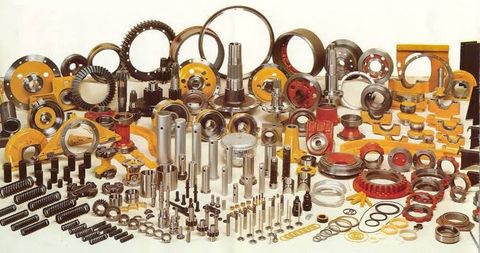
Chemical Manufacturing Complete Guide to Modern Industrial Production
Chemical products play an important role in everyday life. They are used in agriculture, healthcare, construction, transportation, electronics, water treatment, packaging, and many other industries.
From basic industrial materials to specialized compounds, these products support countless manufacturing processes around the world. Chemical Manufacturing is the process of transforming raw materials into useful chemical products through carefully controlled physical and chemical operations.
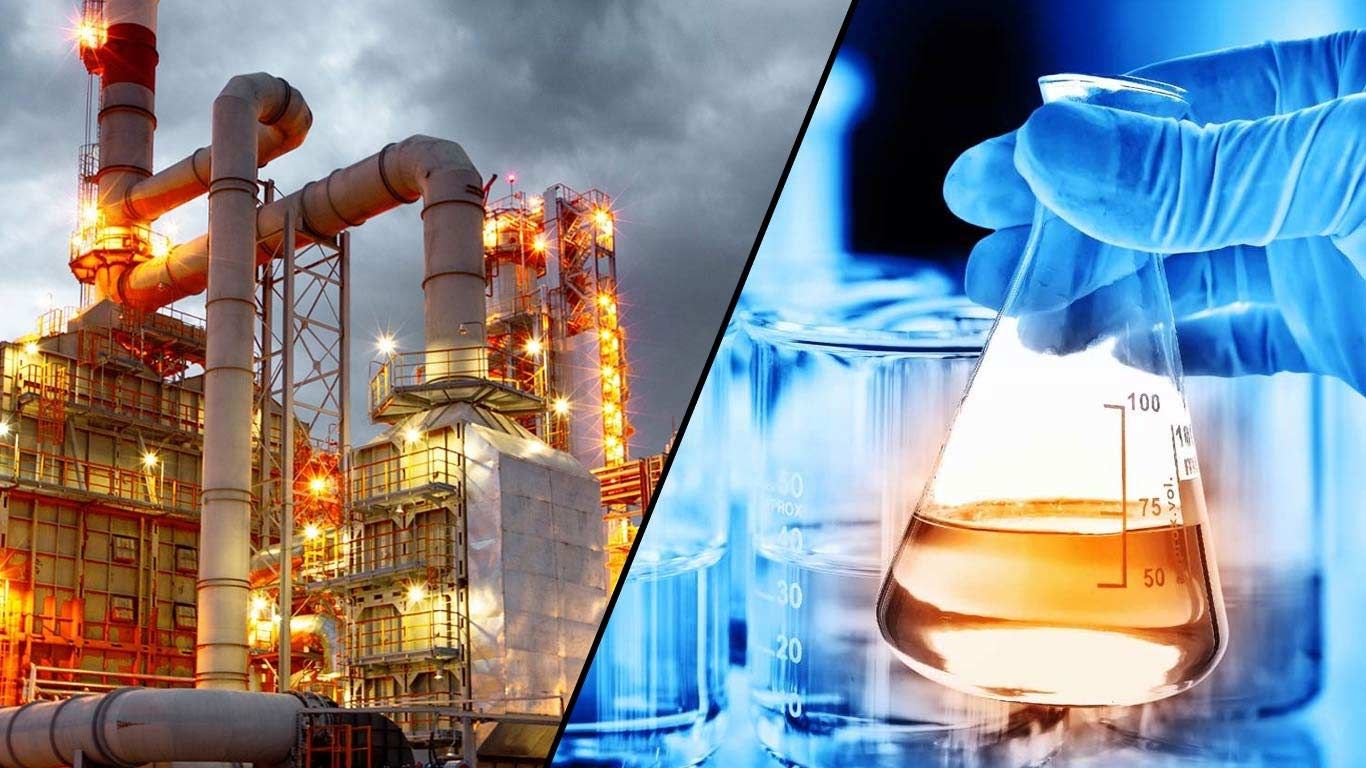
Over the years, chemical manufacturing has advanced through automation, digital monitoring, precision process control, and environmentally responsible production methods. Modern facilities use advanced equipment and data-driven technologies to improve efficiency, maintain consistent product quality, and support safe operations.
This guide explains Chemical Manufacturing, the production process, raw materials, major manufacturing methods, industrial applications, quality control, safety practices, environmental considerations, and future developments shaping today's chemical industry.
What Is Chemical Manufacturing?
Chemical Manufacturing is the industrial process of converting natural resources and raw materials into chemical products through controlled reactions, separation techniques, mixing, heating, cooling, and purification processes.
Chemical manufacturing supports the production of materials used in many sectors, including:
Agriculture
Healthcare
Food processing
Construction
Automotive
Electronics
Textiles
Water treatment
Energy
Packaging
Each manufacturing process is carefully designed according to the properties of the materials being produced.
Why Chemical Manufacturing Matters
Modern industries depend on chemicals for producing materials, improving product performance, and supporting manufacturing operations.
Chemical manufacturing helps:
Produce industrial materials
Support infrastructure development
Enable advanced manufacturing
Improve agricultural productivity
Assist healthcare production
Support renewable energy technologies
These contributions make the chemical industry an essential part of the global economy.
Raw Materials Used
Chemical manufacturing begins with carefully selected raw materials.
Common raw materials include:
Natural gas
Crude oil derivatives
Minerals
Water
Air
Plant-based materials
Industrial salts
Sulfur compounds
The selection depends on the intended product and manufacturing process.
Main Stages of Chemical Manufacturing
Although production methods vary, many facilities follow similar stages.
Raw Material Preparation
Raw materials are inspected, measured, and prepared before entering production equipment.
Chemical Processing
Reactors combine materials under carefully controlled conditions such as temperature, pressure, and mixing speed to produce the desired chemical changes.
Separation
After processing, separation techniques isolate the required product from by-products or unused materials.
Common methods include:
Filtration
Distillation
Centrifugation
Evaporation
Crystallization
Purification
Purification removes remaining impurities to improve product consistency.
Packaging
Once quality checks are complete, finished products are prepared for storage and transportation using appropriate packaging methods.
Common Manufacturing Methods
Different production techniques are used depending on the product being manufactured.
Batch Processing
Batch production creates a specific quantity of material before cleaning equipment and preparing for the next production cycle.
Continuous Processing
Continuous production allows materials to move through the system without interruption, making it suitable for large-scale manufacturing.
Mixing and Blending
Some products require carefully controlled mixing of multiple ingredients to achieve consistent composition.
Polymer Production
Polymer manufacturing creates materials used in plastics, coatings, fibers, and packaging applications.
Equipment Used
Modern chemical manufacturing facilities rely on specialized equipment.
Common equipment includes:
Reactors
Mixing tanks
Heat exchangers
Pumps
Valves
Distillation columns
Storage tanks
Filtration systems
Drying equipment
Process control instruments
Each component contributes to efficient and reliable production.
Technologies Supporting Modern Manufacturing
Today's chemical plants increasingly use digital technologies to improve operations.
Examples include:
Industrial Internet of Things (IIoT)
Automated process control
Smart sensors
Artificial intelligence-assisted monitoring
Robotics
Digital twins
Real-time production monitoring
Predictive maintenance
These technologies improve process visibility while supporting consistent manufacturing performance.
Chemical Manufacturing Overview
| Manufacturing Stage | Primary Purpose |
|---|---|
| Raw Material Preparation | Prepares production inputs |
| Chemical Processing | Creates desired reactions |
| Separation | Isolates finished materials |
| Purification | Improves product quality |
| Inspection | Verifies specifications |
| Packaging | Prepares products for distribution |
Quality Control
Quality control helps maintain consistency throughout production.
Inspection activities commonly include:
Raw material verification
Chemical composition analysis
Temperature monitoring
Pressure monitoring
Laboratory testing
Product consistency evaluation
These procedures help confirm that products meet manufacturing specifications.
Safety Considerations
Chemical manufacturing involves specialized equipment and carefully controlled operating conditions.
Important safety practices include:
Following operating procedures
Monitoring process conditions
Inspecting equipment regularly
Maintaining emergency response plans
Using suitable protective equipment
Recording inspection activities
These measures contribute to safe manufacturing environments.
Environmental Considerations
Modern chemical manufacturing increasingly focuses on responsible production.
Common environmental practices include:
Efficient energy management
Water conservation
Emission monitoring
Material recycling
Waste reduction
Resource optimization
These approaches help improve sustainability while supporting industrial production.
Current Industry Trends
Chemical manufacturing continues evolving through innovation.
Recent developments include:
Smart manufacturing systems
Advanced process automation
Artificial intelligence for process optimization
Digital quality management
Bio-based raw materials
Carbon reduction technologies
Connected production facilities
These developments continue improving efficiency and operational visibility.
Looking Ahead
Future chemical manufacturing is expected to include stronger automation, advanced data analysis, intelligent process control, and wider use of environmentally responsible production methods. Improved sensor technology, digital monitoring, and advanced materials research are also likely to support higher efficiency and consistent product quality across many industries.
Why Understanding Chemical Manufacturing Matters
Learning about Chemical Manufacturing helps explain how many everyday products are produced through carefully managed industrial processes. From raw material preparation and chemical reactions to purification and quality inspection, every stage contributes to reliable production that supports numerous industries.
Understanding these processes also highlights the importance of engineering, scientific research, safety, and continuous innovation in modern manufacturing.
Conclusion
Chemical Manufacturing is a fundamental part of modern industrial production, transforming raw materials into valuable products used across healthcare, agriculture, construction, electronics, transportation, and many other sectors. Through precision engineering, advanced processing equipment, digital technologies, and careful quality control, chemical manufacturing continues supporting innovation and industrial development. As manufacturing technology advances, the chemical industry will remain an essential contributor to modern production systems.

Related Post...

Discover the VinFast VF 6 and the Future of Electric Urban Mobility
Updated: September 28, 2026
Read More
Explore How Sheet Cutting Machines Help Achieve Clean and Accurate Cuts
Updated: September 22, 2026
Read More
Marine Equipment Manufacturers Essential Information for the Maritime Industry
Updated: October 15, 2026
Read More