Discover How Box Packing Machines Improve Ecommerce Packaging Efficiency
Box Packing Machines are widely used in ecommerce and industrial packaging environments to prepare products for storage, transportation, and delivery. These machines help organize packaging workflows by automatically folding, filling, sealing, and labeling boxes during the shipping process.
The growth of online shopping and large-scale warehouse operations increased the need for faster and more consistent packaging methods. Manual packing can become difficult when businesses process thousands of orders daily. As a result, many logistics centers and manufacturing facilities use automated systems to improve packaging speed and accuracy.
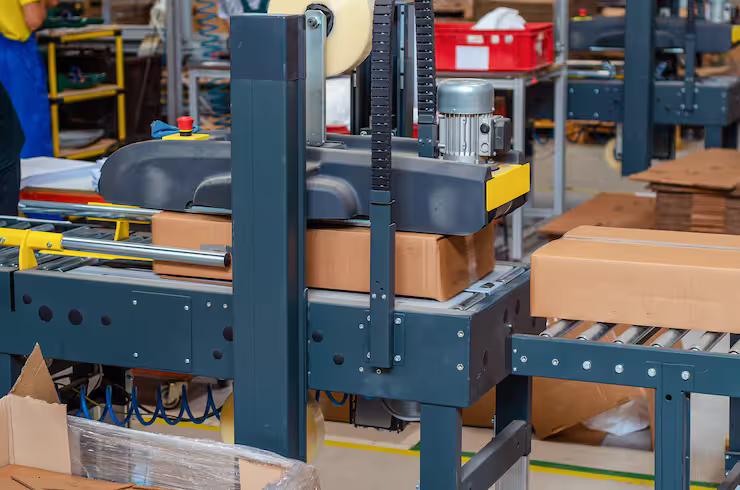
Box Packing Machines are designed to handle different package sizes, product types, and packaging materials. Some systems work with lightweight consumer products, while others are used for industrial equipment and bulk shipments.
Several machine categories are commonly used in ecommerce operations:
| Machine Type | Main Function |
|---|---|
| Carton Erectors | Fold flat cartons into boxes |
| Case Sealers | Apply tape or adhesive sealing |
| Shrink Wrapping Machines | Secure products with protective film |
| Labeling Machines | Attach shipping labels and barcodes |
| Robotic Packing Systems | Organize and place products into boxes |
The development of Box Packing Machines became more important as ecommerce expanded worldwide. Faster delivery expectations and increased parcel volume encouraged companies to adopt automated packaging systems that could maintain consistency during large-scale operations.
Modern packaging systems are now integrated into warehouse management networks, conveyor systems, and digital tracking platforms. These systems help improve workflow coordination between packaging, inventory management, and shipment preparation.
Importance
Box Packing Machines are important because they help improve packaging efficiency, reduce repetitive manual work, and maintain packaging consistency across large numbers of shipments.
In ecommerce operations, customers often expect products to arrive in secure and properly sealed packaging. Damaged or poorly packed shipments can create transportation challenges and inventory losses. Automated packing systems help reduce these risks by maintaining consistent sealing and box preparation processes.
These machines also support faster warehouse movement. Large fulfillment centers process thousands of orders every day, and automated packaging systems help manage this high activity level more efficiently.
Important benefits of Box Packing Machines include:
- Faster packaging workflows
- Improved box sealing consistency
- Reduced packaging material waste
- Better shipment organization
- Support for barcode and tracking systems
The table below explains how these systems support ecommerce operations:
| Packaging Factor | Operational Impact |
|---|---|
| Automated Sealing | Reduces inconsistent packaging |
| Label Accuracy | Improves shipment tracking |
| Faster Processing | Supports high-order environments |
| Material Handling | Helps reduce packaging waste |
| Product Protection | Supports safer transportation |
Box Packing Machines also help improve workplace organization. Repetitive manual packing tasks can slow production lines during periods of heavy demand. Automated systems help maintain continuous packaging flow and reduce interruptions.
Another important factor is packaging precision. Machines can apply measured tape lengths, uniform box folds, and accurate label placement. This consistency helps logistics networks process shipments more efficiently.
In industries such as electronics, pharmaceuticals, food packaging, and retail distribution, packaging quality plays an important role in protecting products during transportation and storage.
Recent Updates
Recent developments in Box Packing Machines focus on automation, robotics, artificial intelligence, and environmentally conscious packaging methods. Ecommerce growth has encouraged companies to modernize warehouse systems with advanced packaging technologies.
One major trend is the use of robotic arms for automated product placement inside shipping cartons. These systems can organize products more quickly while reducing manual handling during packaging operations.
Artificial intelligence is also being used in some packaging systems. Smart sensors can identify box dimensions, detect sealing problems, and adjust machine settings automatically during operation.
Recent developments include:
- AI-supported packaging analysis
- Robotic product handling systems
- Smart conveyor integration
- Automated barcode verification
- Packaging material optimization tools
The following table highlights recent trends:
| Technology Area | Current Development |
|---|---|
| Robotics | Automated box handling |
| Artificial Intelligence | Packaging quality monitoring |
| Smart Sensors | Real-time adjustment systems |
| Sustainability | Reduced packaging waste |
| Warehouse Integration | Connected logistics systems |
Another important trend involves sustainable packaging practices. Many warehouses now use recyclable packaging materials and optimized box-sizing technology to reduce unnecessary material use.
Compact automated systems are also becoming more common in smaller fulfillment centers. These systems help businesses manage increasing order volumes without requiring major warehouse expansion.
Digital monitoring dashboards now allow operators to track machine performance, packaging speed, and maintenance schedules in real time.
Laws or Policies
Box Packing Machines operate within industrial safety regulations, packaging standards, environmental guidelines, and transportation compliance requirements. These policies help maintain workplace safety and packaging reliability.
Workplace safety rules are especially important because automated machinery involves moving belts, rollers, cutters, and sealing systems. Facilities using these machines typically follow safety procedures related to machine guarding and employee training.
Key policy areas affecting packaging operations include:
- Industrial workplace safety rules
- Packaging waste management regulations
- Transportation labeling standards
- Recycling and sustainability policies
- Equipment maintenance requirements
The table below explains common policy categories:
| Regulation Area | Main Purpose |
|---|---|
| Workplace Safety | Protect machine operators |
| Packaging Standards | Maintain shipment consistency |
| Recycling Policies | Reduce packaging waste |
| Labeling Rules | Improve shipment tracking |
| Equipment Inspection | Support safe operation |
Environmental regulations increasingly influence packaging operations. Many countries encourage businesses to reduce excess packaging materials and improve recycling practices.
Transportation rules may also require accurate labeling, barcode visibility, and secure package sealing for logistics operations.
Industrial facilities often maintain maintenance records and inspection schedules to support machine safety and operational reliability.
Warehouse environments using automated systems may also follow electrical safety guidelines, emergency stop procedures, and operational monitoring standards.
Tools and Resources
Several digital platforms and industrial tools help companies manage Box Packing Machines more effectively. These resources support packaging efficiency, equipment monitoring, and inventory coordination.
Warehouse management systems are commonly connected to packaging equipment. These platforms help organize shipment processing and packaging workflows.
Useful tools and resources include:
- Warehouse management software
- Barcode scanning systems
- Conveyor monitoring platforms
- Packaging analytics dashboards
- Equipment maintenance applications
- Inventory tracking systems
The following table explains their functions:
| Tool or Resource | Main Purpose |
|---|---|
| Warehouse Software | Manage order processing |
| Barcode Systems | Track package movement |
| Maintenance Platforms | Schedule machine inspections |
| Packaging Dashboards | Monitor workflow performance |
| Conveyor Systems | Move products efficiently |
Some facilities also use machine vision systems that inspect package alignment, label placement, and sealing quality during operation.
Digital twins and simulation software are becoming more common in large logistics centers. These tools help engineers test packaging workflows before implementing physical changes.
Industrial training programs and technical manuals also help workers understand machine operation, safety procedures, and troubleshooting methods related to Box Packing Machines.
Government and logistics association websites may provide information about packaging regulations, environmental standards, and transportation compliance practices.
FAQs
What are Box Packing Machines used for?
Box Packing Machines are used to prepare products for shipping by folding, filling, sealing, labeling, and organizing packages during warehouse operations.
Why are Box Packing Machines important in ecommerce?
These machines help improve packaging speed, reduce manual handling, and maintain consistent package preparation in high-volume ecommerce environments.
Can Box Packing Machines handle different box sizes?
Yes, many systems are designed to process multiple carton sizes and packaging formats depending on operational requirements.
How do Box Packing Machines improve packaging accuracy?
Automated systems apply consistent sealing, accurate label placement, and measured packaging adjustments during shipment preparation.
Are Box Packing Machines connected to digital warehouse systems?
Many modern machines integrate with warehouse management platforms, barcode scanners, and inventory tracking systems to improve workflow coordination.
Conclusion
Box Packing Machines play an important role in ecommerce and industrial logistics by supporting packaging speed, shipment consistency, and operational organization. Modern systems help warehouses manage growing order volumes through automation, smart monitoring, and integrated workflow management. Recent developments in robotics, artificial intelligence, and sustainable packaging continue to influence how packaging operations function today. Understanding these machines provides useful insight into how products move efficiently through modern distribution networks.

Related Post...

Blow Molding Machines Complete Advice to Modern Plastic Manufacturing
Updated: September 08, 2026
Read More
Fabric Dyeing Machine Complete Advice to Modern Textile Processing Technology
Updated: September 11, 2026
Read More
Food Packaging Machine Complete Insight to Modern Food Packaging Technology
Updated: September 11, 2026
Read More