Fabric Dyeing Machine Complete Guide to Modern Textile Processing Technology
The textile industry depends on advanced machinery to produce fabrics with consistent color, quality, and durability. A Fabric Dyeing Machine is a specialized piece of equipment used to apply dyes to textiles through carefully controlled temperature, pressure, and circulation processes.
These machines support efficient color penetration while helping maintain fabric texture, appearance, and performance.
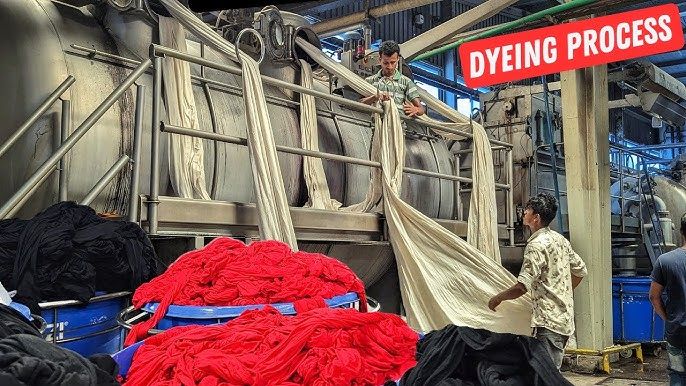
Modern fabric dyeing technology combines automation, precision controls, energy-efficient systems, and environmentally conscious processing methods. From cotton and polyester to wool, silk, and blended fabrics, dyeing machines are used throughout textile manufacturing to achieve uniform coloration across a wide variety of materials.
This guide explains Fabric Dyeing Machines, their working principles, major types, applications, maintenance practices, safety measures, and the latest innovations in textile dyeing technology.
What Is a Fabric Dyeing Machine?
A Fabric Dyeing Machine is industrial equipment designed to color textile materials by circulating dye solutions under controlled processing conditions. Different machine designs are available to accommodate woven fabrics, knitted fabrics, yarns, garments, and specialty textiles.
Fabric dyeing machines are commonly used for processing:
Cotton
Polyester
Wool
Silk
Nylon
Linen
Rayon
Denim
Blended fabrics
Technical textiles
The choice of machine depends on the fabric type, dye chemistry, and production requirements.
Why Fabric Dyeing Machines Matter
Consistent dyeing is essential for textile quality and manufacturing efficiency.
Fabric dyeing machines help:
Produce uniform color distribution
Improve process consistency
Support efficient production
Reduce manual handling
Optimize water and energy usage
Maintain fabric quality
Reliable dyeing equipment contributes to consistent textile manufacturing.
How Fabric Dyeing Works
The dyeing process follows several carefully controlled stages.
Fabric Preparation
The fabric is cleaned and prepared to remove oils, waxes, and impurities before dyeing.
Loading
Prepared fabric is placed into the dyeing machine according to the processing method.
Dye Solution Preparation
Dyes and auxiliary chemicals are mixed in controlled proportions before entering the machine.
Dye Circulation
The dye solution circulates through the fabric while temperature, pressure, and processing time are carefully monitored.
Washing and Rinsing
After dyeing, the fabric is rinsed to remove excess dye and improve color fastness.
Drying
The finished fabric is dried before moving to finishing and quality inspection.
Types of Fabric Dyeing Machines
Different machine designs support various textile manufacturing requirements.
Jet Dyeing Machine
Uses high-speed liquor circulation to dye lightweight and knitted fabrics.
Jigger Dyeing Machine
Suitable for woven fabrics processed in open-width form.
Winch Dyeing Machine
Designed for delicate fabrics that require gentle handling.
Soft Flow Dyeing Machine
Provides smooth fabric movement while reducing mechanical stress.
Package Dyeing Machine
Used for dyeing yarn packages before weaving or knitting.
Main Components
Modern fabric dyeing machines include several integrated systems.
Key components include:
Dyeing vessel
Circulation pump
Heat exchanger
Temperature controller
Pressure control system
Fabric transport mechanism
Chemical dosing unit
Water circulation system
Sensors
Digital control panel
Each component contributes to accurate and efficient dyeing.
Applications Across Industries
Fabric dyeing machines support many sectors of the textile industry.
Apparel Manufacturing
Garment producers use dyed fabrics for fashion and everyday clothing.
Home Textiles
Curtains, bedding, towels, and upholstery fabrics require controlled dyeing processes.
Technical Textiles
Industrial textiles often require specialized dyeing techniques for performance applications.
Automotive Textiles
Vehicle interiors use dyed fabrics designed for durability and color stability.
Medical Textiles
Some healthcare-related textile products require controlled processing and consistent coloration.
Technologies Supporting Modern Dyeing
Today's fabric dyeing machines increasingly incorporate advanced technologies.
Examples include:
Industrial Internet of Things (IIoT)
Automated recipe management
Digital temperature monitoring
Smart chemical dosing systems
Remote machine monitoring
Predictive maintenance software
Production data analytics
Energy management systems
These technologies improve production efficiency while supporting consistent quality.
Fabric Dyeing Machine Overview
| Process Stage | Primary Purpose |
|---|---|
| Fabric Preparation | Remove impurities |
| Dye Preparation | Mix dye solution |
| Dyeing Process | Apply uniform color |
| Washing | Remove excess dye |
| Drying | Prepare for finishing |
| Quality Inspection | Verify color consistency |
Quality Control
Quality management is essential throughout textile dyeing.
Inspection activities commonly include:
Color consistency evaluation
Shade matching
Temperature monitoring
Fabric appearance inspection
Color fastness testing
Process performance analysis
These procedures help maintain reliable textile quality.
Maintenance Considerations
Routine maintenance supports dependable machine performance.
Typical maintenance includes:
Inspecting pumps and valves
Cleaning dye circulation systems
Checking sensors
Monitoring heating equipment
Verifying control systems
Reviewing maintenance records
Preventive maintenance helps improve equipment reliability and reduce unexpected downtime.
Safety Considerations
Fabric dyeing machines operate with heated liquids, pressurized systems, and processing chemicals.
Important safety practices include:
Following operating procedures
Wearing suitable protective equipment
Monitoring temperature and pressure
Inspecting equipment before operation
Maintaining proper ventilation
Following chemical handling guidelines
These practices contribute to safe textile manufacturing.
Environmental Considerations
Modern textile processing increasingly focuses on resource efficiency.
Common sustainability initiatives include:
Water recycling systems
Energy-efficient heating
Optimized chemical usage
Wastewater treatment
Heat recovery technology
Digital process optimization
These approaches support environmentally responsible textile production.
Current Industry Trends
Textile dyeing technology continues advancing through innovation.
Recent developments include:
Artificial intelligence-assisted process optimization
Smart factory automation
Low-liquor-ratio dyeing systems
Advanced digital controls
Sustainable dyeing technologies
Automated quality inspection
Connected manufacturing platforms
These developments continue improving efficiency and textile quality.
Looking Ahead
Future Fabric Dyeing Machines are expected to feature greater automation, intelligent process control, enhanced water conservation, and improved energy efficiency. Advances in digital manufacturing, robotics, and sustainable dyeing technologies are also likely to support more precise color management while reducing environmental impact.
Why Understanding Fabric Dyeing Machines Matters
Learning about a Fabric Dyeing Machine provides valuable insight into one of the most important stages of textile manufacturing. From fabric preparation and dye application to quality inspection and finishing, these machines help produce textiles with consistent color, appearance, and performance across many industries.
Conclusion
A Fabric Dyeing Machine is an essential part of modern textile processing, enabling efficient, consistent, and high-quality fabric coloration. Through advanced automation, precise process control, digital monitoring, and sustainable manufacturing practices, these machines support textile production across apparel, home furnishings, automotive, and technical textile industries. As textile technology continues to evolve, fabric dyeing machines will remain central to efficient and environmentally responsible manufacturing.

Related Post...
Learn How Box Packing Machines Improve Ecommerce Packaging Efficiency
Updated: October 15, 2026
Read More
Food Packaging Machine Complete Insight to Modern Food Packaging Technology
Updated: September 11, 2026
Read More
Blow Molding Machines Complete Guide to Modern Plastic Manufacturing
Updated: September 17, 2026
Read More