Blow Molding Machines Complete Guide to Modern Plastic Manufacturing
Plastic products are used in homes, factories, healthcare facilities, agriculture, transportation, and many other industries. Items such as bottles, containers, storage tanks, automotive ducts, and industrial drums are often produced using specialized equipment known as Blow Molding Machines.
These machines shape softened plastic into hollow products with consistent dimensions and dependable quality.
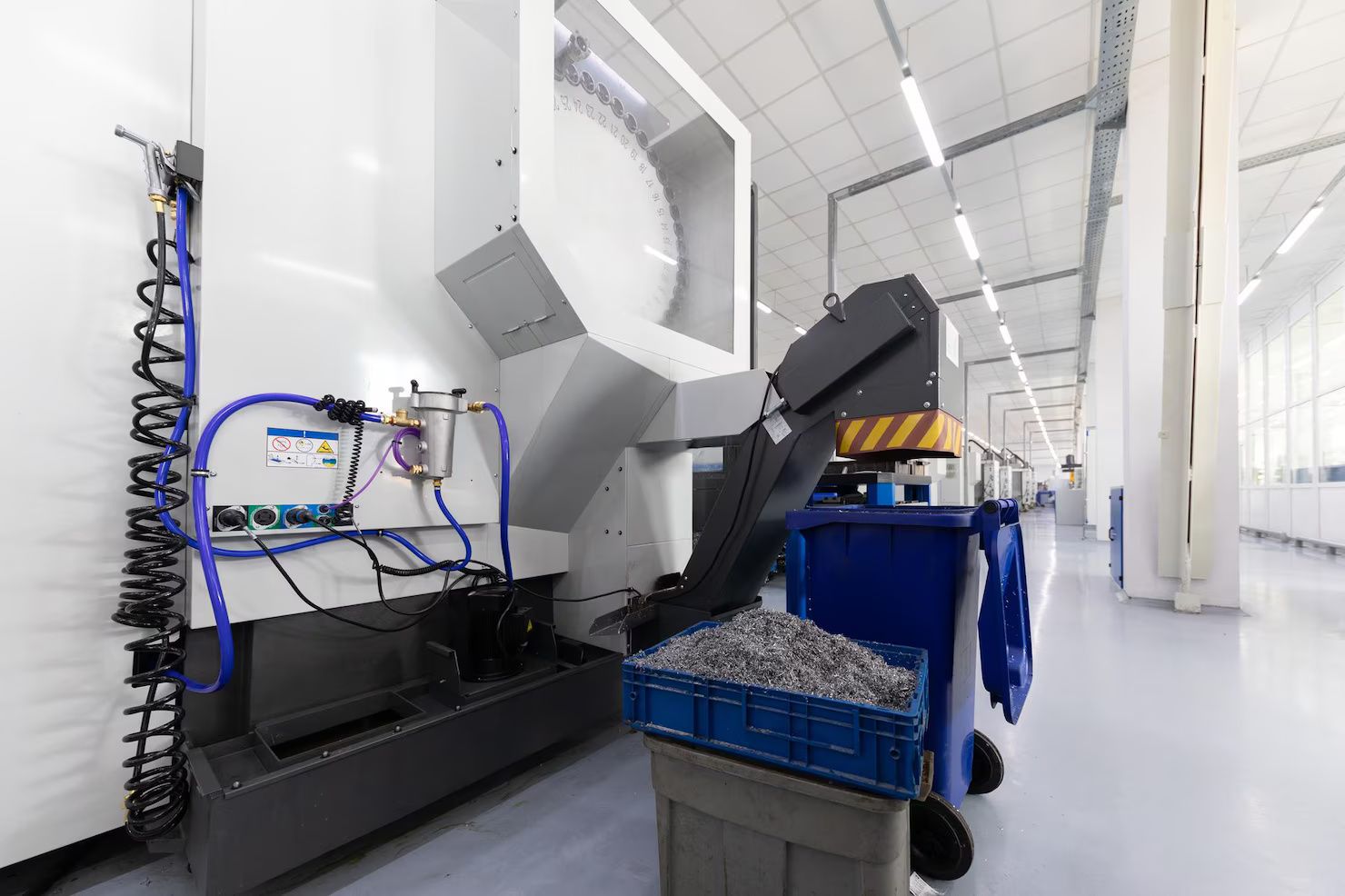
Over the years, blow molding technology has advanced through automation, digital monitoring, and precision engineering. Modern equipment helps manufacturers improve production efficiency, maintain product consistency, and reduce material waste. Whether producing small containers or large industrial tanks, blow molding machines have become an essential part of today's plastic manufacturing industry.
This guide explains Blow Molding Machines, how they work, the different machine types, manufacturing stages, materials, applications, quality practices, safety measures, and future developments shaping modern plastic production.
What Are Blow Molding Machines?
Blow Molding Machines are industrial machines used to manufacture hollow plastic products by heating plastic material and shaping it inside a mold using compressed air. The process creates lightweight yet durable products used in numerous industrial and consumer applications.
These machines commonly produce:
Plastic bottles
Water storage tanks
Industrial drums
Chemical containers
Fuel tanks
Household storage containers
Automotive air ducts
Waste collection bins
Agricultural containers
Plastic toys
Different machine designs are used depending on product size, material type, and production requirements.
Why Blow Molding Machines Matter
Many everyday products rely on hollow plastic construction. Blow molding machines make it possible to manufacture these products with consistent quality and efficient production methods.
Their importance includes:
Supporting large-scale manufacturing
Producing lightweight products
Maintaining consistent product dimensions
Improving production efficiency
Supporting various product designs
Reducing material waste through controlled processing
These advantages make blow molding technology an important part of modern manufacturing.
How Blow Molding Machines Work
The blow molding process follows several carefully controlled steps.
Material Preparation
Plastic resin pellets are fed into an extruder or injection unit, where heat softens the material into a workable state.
Parison or Preform Creation
The softened plastic forms either a hollow tube called a parison or a preform, depending on the manufacturing method.
Mold Closing
A mold closes around the plastic while leaving an opening for compressed air.
Air Inflation
Compressed air expands the softened plastic until it fills the mold cavity and takes its final shape.
Cooling
The molded product remains inside the mold while cooling to maintain its dimensions.
Product Removal
After cooling, the finished product is removed, trimmed if necessary, and prepared for inspection.
Common Types of Blow Molding Machines
Manufacturers use different machine designs for different production requirements.
Extrusion Blow Molding Machines
These machines continuously extrude a hollow plastic tube before air forms the product inside the mold. They are widely used for larger containers and industrial products.
Injection Blow Molding Machines
Injection blow molding begins with an injection-molded preform before the product is expanded into its final shape. This method supports accurate dimensions and smooth finishes.
Stretch Blow Molding Machines
Stretch blow molding stretches the heated preform before inflation. This process improves strength and is commonly used for lightweight containers.
Materials Used
Blow molding machines process several types of thermoplastic materials.
Common materials include:
High-Density Polyethylene (HDPE)
Low-Density Polyethylene (LDPE)
Polypropylene (PP)
Polyethylene Terephthalate (PET)
Polyvinyl Chloride (PVC)
Engineering polymers
Material selection depends on the intended product and operating conditions.
Main Machine Components
A blow molding machine consists of several important parts working together.
Key components include:
Extruder or injection unit
Mold
Blow pin
Air compressor
Cooling system
Hydraulic or electric drive system
Control panel
Material feeding system
Each component contributes to consistent product formation.
Technologies Supporting Modern Machines
Today's Blow Molding Machines include advanced technologies that improve production accuracy and operational visibility.
Examples include:
Computer-controlled operation
Industrial Internet of Things (IIoT)
Smart sensors
Automated material handling
Robotic product removal
Real-time production monitoring
Digital quality inspection
Predictive maintenance tools
These technologies support efficient manufacturing and consistent product quality.
Blow Molding Machines Overview
| Manufacturing Stage | Primary Purpose |
|---|---|
| Material Heating | Softens plastic resin |
| Parison or Preform Formation | Creates initial product shape |
| Mold Closing | Defines product dimensions |
| Air Inflation | Expands plastic into the mold |
| Cooling | Hardens the finished product |
| Inspection | Confirms product quality |
Quality Control
Quality inspection helps maintain consistent manufacturing standards.
Inspection activities commonly include:
Dimensional measurement
Wall thickness evaluation
Leak testing
Surface finish inspection
Material verification
Functional testing
These procedures help confirm products meet engineering requirements.
Maintenance Considerations
Routine maintenance supports reliable machine performance.
Typical maintenance includes:
Cleaning molds
Inspecting heating elements
Checking hydraulic systems
Monitoring air pressure
Verifying machine alignment
Reviewing production data
Regular inspections help maintain efficient operation and minimize unexpected downtime.
Safety Considerations
Blow molding equipment operates with heat, compressed air, and moving mechanical parts. Safe operating practices are essential.
Important measures include:
Following operating procedures
Inspecting machinery regularly
Using suitable protective equipment
Maintaining clean work areas
Monitoring operating temperatures
Checking emergency shutdown systems
These practices contribute to safe manufacturing environments.
Current Industry Trends
Blow molding technology continues evolving through engineering innovation.
Recent developments include:
Electric blow molding machines
Smart factory integration
Automated inspection systems
Lightweight product designs
Digital production analytics
Improved recycling capabilities
Energy-efficient manufacturing equipment
These developments support more efficient and environmentally responsible production.
Looking Ahead
Future blow molding technology is expected to include stronger automation, improved artificial intelligence-assisted process control, enhanced digital monitoring, and greater use of recycled plastic materials. Connected manufacturing systems and advanced machine diagnostics are also likely to improve production efficiency while supporting consistent product quality.
Why Understanding Blow Molding Machines Matters
Learning about Blow Molding Machines provides valuable insight into one of the most important manufacturing technologies used for hollow plastic products. From household containers and industrial tanks to automotive components and packaging, these machines support reliable production through precision engineering and modern automation.
Understanding their operation, materials, and manufacturing methods also highlights the importance of innovation and quality control in today's plastics industry.
Conclusion
Blow Molding Machines remain a vital part of modern plastic manufacturing by producing durable hollow products used across numerous industries. Through precision engineering, automated controls, advanced materials, and careful quality inspection, these machines support efficient and consistent production. As manufacturing technology continues to evolve, blow molding machines will continue playing an important role in shaping the future of plastic product manufacturing.

Related Post...

Everything You Need to Know Before Choosing a Ditch Witch Rod Machine
Updated: September 10, 2026
Read More
Blow Molding Machines Complete Guide to Modern Plastic Manufacturing
Updated: September 11, 2026
Read More
Blow Molding Machines Complete Advice to Modern Plastic Manufacturing
Updated: September 08, 2026
Read More