HDPE Blow Molding Complete Guide to Modern Plastic Manufacturing
Plastic products are part of everyday life, from water storage containers and cleaning product bottles to industrial drums and automotive components. Many of these products are manufactured using HDPE Blow Molding, a process known for creating lightweight, durable, and hollow plastic items.
High-Density Polyethylene (HDPE) is widely used because it provides strength, chemical resistance, and long-lasting performance in a variety of environments.
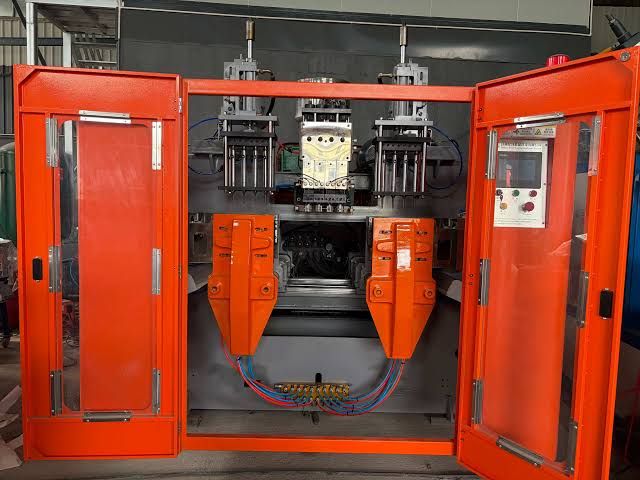
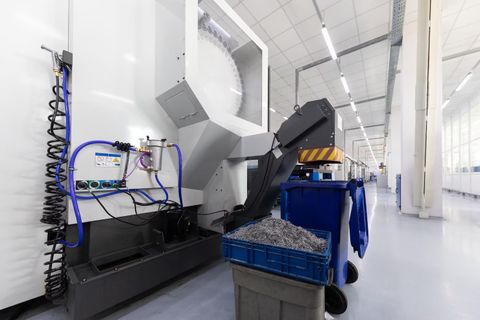
As manufacturing technology has advanced, HDPE blow molding has become more efficient through automation, precision controls, and improved production equipment. Modern manufacturing facilities use digital monitoring and quality inspection to produce consistent products while reducing material waste and improving production efficiency.
This guide explains HDPE Blow Molding, how the process works, common manufacturing methods, applications, materials, quality practices, safety considerations, and future developments in plastic manufacturing.
What Is HDPE Blow Molding?
HDPE Blow Molding is a manufacturing process used to create hollow plastic products from High-Density Polyethylene. During the process, softened HDPE material is formed into a tube called a parison. Air pressure expands the material inside a mold until it takes the desired shape.
Once cooled, the finished product is removed from the mold and prepared for inspection or additional processing.
HDPE blow molding is commonly used to manufacture:
Plastic bottles
Water tanks
Industrial drums
Chemical containers
Fuel tanks
Automotive ducts
Household storage containers
Waste bins
Agricultural containers
Playground equipment
The process supports consistent production of hollow plastic products in many industries.
Why HDPE Is Widely Used
High-Density Polyethylene has properties that make it suitable for numerous industrial and consumer applications.
Important characteristics include:
High impact resistance
Chemical resistance
Moisture resistance
Lightweight construction
Long service life
Good durability
Recyclability
Weather resistance
These qualities help manufacturers produce products designed for demanding environments.
How HDPE Blow Molding Works
The manufacturing process follows several carefully controlled stages.
Material Preparation
HDPE resin pellets are fed into an extruder where heat softens the material into a workable form.
Parison Formation
The softened plastic is pushed through a die to form a hollow tube known as a parison.
Mold Closing
A mold closes around the parison while leaving an opening for compressed air.
Air Inflation
Compressed air expands the softened plastic against the mold walls, creating the desired shape.
Cooling
The molded product cools while remaining inside the mold, allowing the plastic to harden.
Finishing
After removal from the mold, excess material is trimmed and the product is inspected before further processing or packaging.
Common Types of Blow Molding
Different manufacturing methods are used depending on the product design.
Extrusion Blow Molding
This widely used process creates containers, tanks, and industrial products by extruding a continuous parison.
Injection Blow Molding
Injection blow molding produces smaller products requiring accurate dimensions and smooth surface finishes.
Stretch Blow Molding
Stretch blow molding improves strength by stretching the plastic during the forming process. It is commonly associated with lightweight containers.
Materials Used Alongside HDPE
Although HDPE is the primary material, manufacturers may also work with:
Polypropylene (PP)
Low-Density Polyethylene (LDPE)
Polyethylene terephthalate (PET)
Engineering polymers
Color additives
UV stabilizers
Material selection depends on the intended application and operating environment.
Equipment Used in HDPE Blow Molding
Modern production facilities use advanced machinery throughout manufacturing.
Common equipment includes:
Extruders
Blow molding machines
Molds
Air compressors
Cooling systems
Material handling equipment
Trimming machines
Inspection systems
Each machine contributes to accurate and consistent production.
Technologies Supporting Modern Manufacturing
Today's HDPE blow molding facilities increasingly use digital technologies.
Examples include:
Computer-controlled production systems
Industrial Internet of Things (IIoT)
Automated material handling
Robotic part removal
Smart sensors
Digital quality inspection
Real-time production monitoring
Predictive maintenance tools
These technologies improve manufacturing consistency and operational visibility.
HDPE Blow Molding Overview
| Manufacturing Stage | Primary Purpose |
|---|---|
| Material Preparation | Softens HDPE resin |
| Parison Formation | Creates hollow tube |
| Mold Closing | Shapes the product |
| Air Inflation | Expands material into the mold |
| Cooling | Hardens the plastic |
| Finishing | Trims and inspects the product |
Quality Control
Quality inspection helps maintain consistent product performance.
Inspection activities commonly include:
Dimensional measurement
Wall thickness evaluation
Leak testing
Visual inspection
Surface finish assessment
Material verification
These procedures help confirm products meet manufacturing requirements.
Maintenance Considerations
Routine maintenance supports dependable production equipment.
Typical maintenance includes:
Cleaning molds
Inspecting extruders
Checking cooling systems
Monitoring air pressure
Verifying machine alignment
Reviewing production data
Regular inspections help maintain stable manufacturing performance.
Safety Considerations
Plastic manufacturing involves heat, moving equipment, and pressurized air, making safe operating practices important.
Common safety measures include:
Following operating procedures
Inspecting machinery regularly
Using suitable protective equipment
Monitoring production temperatures
Maintaining clean work areas
Verifying emergency shutdown systems
These practices contribute to safer manufacturing environments.
Current Industry Trends
HDPE blow molding continues evolving through innovation.
Recent developments include:
Lightweight product designs
Smart manufacturing systems
Advanced mold engineering
Automated inspection
Digital production analytics
Improved recycling technologies
Energy-efficient production equipment
These developments support more efficient manufacturing and consistent product quality.
Looking Ahead
Future developments in HDPE blow molding are expected to include stronger automation, improved process monitoring, advanced mold designs, and greater use of recycled materials. Digital technologies, artificial intelligence, and connected manufacturing systems are also likely to improve production efficiency while supporting consistent quality across a wide range of plastic products.
Why Understanding HDPE Blow Molding Matters
Learning about HDPE Blow Molding provides insight into one of the most widely used manufacturing methods for hollow plastic products. From industrial containers and automotive components to household products and storage tanks, this process supports efficient production through precision engineering and modern manufacturing technology.
Understanding these methods also highlights the importance of quality control, material selection, and continuous innovation in today's plastics industry.
Conclusion
HDPE Blow Molding remains an essential manufacturing process for producing durable hollow plastic products used across many industries. By combining High-Density Polyethylene with precision molds, automated equipment, and modern quality inspection techniques, manufacturers create products that meet a wide variety of industrial and everyday needs. As manufacturing technology continues to advance, HDPE blow molding will remain an important part of modern plastic production.

Related Post...

Fabric Dyeing Machine Complete Advice to Modern Textile Processing Technology
Updated: October 12, 2026
Read More
Fabric Dyeing Machine Complete Overview to Modern Textile Processing Technology
Updated: September 22, 2026
Read More
Everything You Need to Know Before Choosing a Ditch Witch Rod Machine
Updated: October 05, 2026
Read More