Discover How Industrial Cooling Systems Improve Efficiency and Equipment Performance
Industrial Cooling Systems are an important part of modern manufacturing, energy production, food processing, transportation, and data management facilities. These systems are designed to control temperature levels in machines, industrial equipment, and large operational environments where excessive heat can affect performance and safety.
Heat generation is common in industrial processes because machinery, electrical systems, engines, and production equipment operate continuously for long periods. Without proper cooling methods, high temperatures can reduce equipment efficiency, increase wear, and interrupt industrial operations.
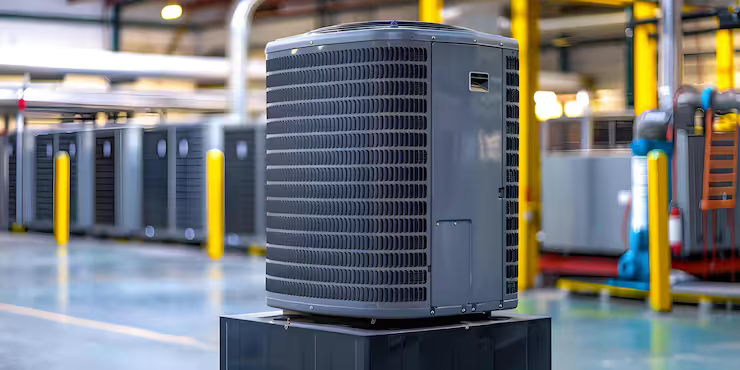
Industrial Cooling Systems developed alongside industrial growth during the expansion of factories and large-scale manufacturing facilities. Early cooling methods relied on basic ventilation and water circulation. Over time, more advanced cooling technologies emerged, including evaporative cooling systems, chillers, cooling towers, and liquid-based thermal management systems.
Today, Industrial Cooling Systems are used in a wide range of sectors, including:
- Manufacturing plants
- Data centers
- Chemical processing facilities
- Food and beverage production
- Automotive production
- Power generation facilities
The table below explains common cooling system types and their general functions:
| Cooling System Type | Primary Function |
|---|---|
| Cooling Towers | Remove heat through water evaporation |
| Chillers | Reduce liquid temperature for machinery |
| Air Cooling Systems | Use airflow to lower temperatures |
| Liquid Cooling Systems | Transfer heat using fluids |
| Refrigeration Cooling | Maintain controlled cold environments |
The growth of automation and digital manufacturing has increased the need for stable temperature control. Sensitive equipment such as computer servers, robotic systems, and precision machinery often require carefully managed cooling conditions to function properly.
Industrial Cooling Systems also support workplace safety. Excessive heat can create difficult working environments for employees and may increase the risk of equipment malfunction. Proper cooling management helps industries maintain stable operating conditions.
Importance
Industrial Cooling Systems matter because temperature control directly affects machinery performance, operational efficiency, energy usage, and workplace conditions. Many industrial processes generate heat continuously, making cooling systems necessary for stable operations.
One major benefit is equipment protection. Machines exposed to high temperatures for extended periods may experience reduced efficiency, material expansion, and faster component wear. Cooling systems help maintain operating temperatures within safe ranges.
Another important factor is energy efficiency. Well-designed cooling systems can reduce unnecessary energy loss and improve the overall performance of industrial operations.
Industrial Cooling Systems are especially important in facilities that operate around the clock. Examples include manufacturing plants, server facilities, and processing units where even short interruptions can affect production schedules.
The following table highlights key benefits and challenges:
| Factor | Importance |
|---|---|
| Temperature Control | Supports equipment stability |
| Energy Management | Reduces unnecessary heat buildup |
| Equipment Lifespan | Helps reduce overheating damage |
| Workplace Conditions | Improves indoor comfort |
| Production Stability | Supports continuous operations |
Industrial Cooling Systems also influence environmental management. Some industries use advanced cooling methods to reduce water usage and improve energy efficiency.
In data centers, cooling systems are critical because servers generate large amounts of heat during operation. Without proper cooling, digital infrastructure performance may decline.
Food processing industries also rely heavily on cooling systems for storage and production. Controlled temperatures help maintain product quality during manufacturing and transportation stages.
Another reason these systems matter is industrial safety. Excessive heat may affect electrical systems, production equipment, and working conditions. Temperature monitoring and cooling management reduce operational risks.
Recent Updates
Recent developments in Industrial Cooling Systems have focused on energy efficiency, automation, environmental sustainability, and smart monitoring technology. Industries are increasingly adopting digital tools to monitor cooling performance in real time.
One major trend is the use of automated temperature sensors and intelligent control systems. These systems can adjust cooling levels based on equipment activity and environmental conditions.
Another important development involves environmentally conscious cooling technologies. Industries are exploring cooling methods that reduce water consumption and lower greenhouse gas emissions.
Recent updates in Industrial Cooling Systems include:
- Smart temperature monitoring
- Energy-efficient cooling equipment
- Hybrid cooling technologies
- Improved refrigerant management
- Remote system monitoring
The following table explains current technology trends:
| Technology Area | Current Trend |
|---|---|
| Automation | Smart cooling controls |
| Environmental Focus | Reduced water consumption |
| Energy Usage | Improved efficiency systems |
| Monitoring Systems | Real-time performance tracking |
| Refrigerants | Lower environmental impact materials |
Liquid cooling technology has also become more important in high-performance computing facilities and advanced manufacturing operations. These systems help manage heat in compact electronic environments.
Data centers are increasingly using advanced airflow management and liquid cooling methods because digital activity continues to grow worldwide.
Renewable energy facilities also rely on Industrial Cooling Systems. Solar energy storage systems, battery facilities, and power management equipment often require controlled temperatures for stable operation.
Another trend involves predictive maintenance technology. Some cooling systems now use sensors and software tools to identify performance changes before equipment problems occur.
Laws or Policies
Industrial Cooling Systems are influenced by environmental regulations, workplace safety standards, energy efficiency guidelines, and industrial operating rules. Governments and regulatory agencies establish these policies to reduce environmental impact and improve industrial safety.
Environmental laws often regulate refrigerants used in cooling systems. Some older refrigerants can affect air quality and contribute to climate-related concerns, leading to stricter control measures.
Important regulatory areas include:
- Environmental protection standards
- Refrigerant handling regulations
- Workplace safety rules
- Energy efficiency policies
- Water management requirements
The following table summarizes common policy areas:
| Regulation Area | Purpose |
|---|---|
| Refrigerant Rules | Reduce environmental impact |
| Safety Standards | Protect workers and equipment |
| Energy Regulations | Encourage efficient operation |
| Water Usage Policies | Support conservation efforts |
| Emission Guidelines | Limit industrial pollution |
Industrial facilities must also follow safety standards related to ventilation, temperature control, and equipment maintenance. These regulations help reduce overheating risks and support safer working conditions.
In some countries, industries are encouraged to improve energy efficiency through environmental sustainability programs. Cooling systems often play an important role in achieving these goals.
Workplace safety agencies may also require temperature management procedures in environments with high heat exposure. Proper cooling and ventilation systems can help industries maintain safer indoor conditions.
Tools and Resources
Several tools and digital platforms help industries monitor and manage Industrial Cooling Systems more effectively. These resources support temperature tracking, maintenance planning, and energy management.
Temperature monitoring systems are commonly used in factories and processing facilities. These systems collect real-time data from equipment and cooling units to help operators monitor conditions continuously.
Useful tools and resources include:
- Temperature monitoring software
- Energy tracking systems
- Industrial automation platforms
- Maintenance scheduling applications
- Environmental compliance portals
- Equipment performance dashboards
The following table explains common tools and their uses:
| Tool or Resource | Main Purpose |
|---|---|
| Temperature Sensor Systems | Monitor heat levels |
| Energy Monitoring Software | Track power consumption |
| Maintenance Platforms | Schedule inspections |
| Automation Tools | Control cooling operations |
| Compliance Portals | Review regulatory guidelines |
Industrial facilities also use predictive analytics tools to detect unusual temperature patterns and identify maintenance needs early.
Government environmental websites often publish guidance related to refrigerant management, energy standards, and workplace safety requirements.
Educational resources such as engineering publications, industrial safety manuals, and technical training platforms help workers understand cooling system operation and maintenance practices.
FAQs
What are Industrial Cooling Systems used for?
Industrial Cooling Systems are used to control heat generated by machinery, electrical systems, and manufacturing equipment in industrial environments.
Why are Industrial Cooling Systems important?
These systems help maintain stable temperatures, improve equipment performance, support workplace safety, and reduce overheating risks.
Which industries commonly use Industrial Cooling Systems?
Manufacturing plants, data centers, food processing facilities, power plants, and chemical industries commonly rely on cooling systems.
How do modern Industrial Cooling Systems improve energy efficiency?
Modern systems often use smart sensors, automated controls, and advanced airflow management to reduce unnecessary energy consumption.
What is the role of cooling towers in industrial operations?
Cooling towers remove excess heat from industrial processes by transferring heat through water evaporation and airflow systems.
Conclusion
Industrial Cooling Systems play an important role in modern industrial operations by supporting temperature control, equipment protection, and operational stability. These systems are widely used across manufacturing, data management, energy production, and processing industries. Recent developments in automation, environmental management, and smart monitoring continue to shape cooling technology. Understanding how these systems function can help improve awareness of industrial efficiency and workplace safety practices.

Related Post...
Everything You Need to Know Before Choosing a Ditch Witch Rod Machine
Updated: September 10, 2026
Read More
Fabric Dyeing Machine Complete Overview to Modern Textile Processing Technology
Updated: September 22, 2026
Read More
Blow Molding Machines Complete Guide to Modern Plastic Manufacturing
Updated: September 17, 2026
Read More