Employee Onboarding Tool Complete Guide to Streamlining New Hire Experiences
An Employee Onboarding Tool is a digital platform designed to help organizations manage the process of introducing new employees to their workplace, responsibilities, policies, and organizational culture. As workplaces have become more digital and geographically distributed, onboarding processes have evolved from paper-based procedures to structured technology-driven systems.
Traditionally, onboarding involved printed forms, manual documentation, in-person orientation sessions, and multiple administrative processes. While these methods are still used in some organizations, many employers now utilize digital tools to organize onboarding activities, track progress, and manage employee information more efficiently.
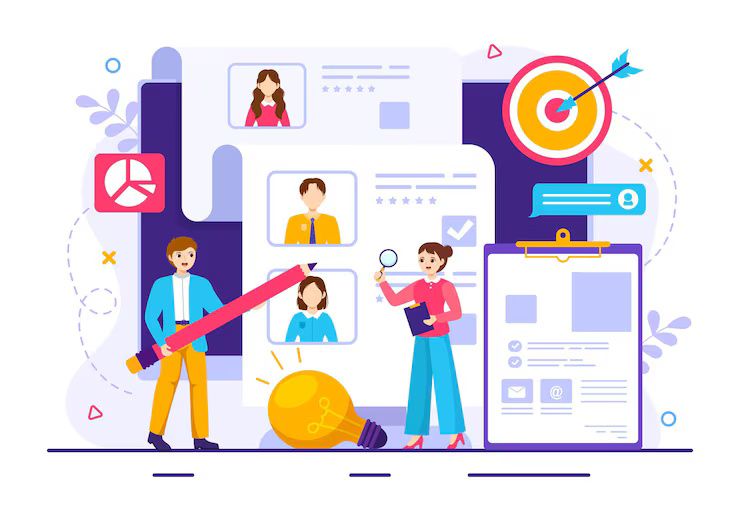
The purpose of an Employee Onboarding Tool is to simplify the transition of new employees into an organization. These tools can help coordinate document collection, policy acknowledgments, training assignments, introductions to workplace systems, and communication between departments.
As organizations continue adapting to hybrid and remote work environments, onboarding technology has become increasingly important for creating consistent experiences across different locations and teams.
Importance
Why Employee Onboarding Matters
The onboarding process plays an important role in helping employees understand their responsibilities, workplace expectations, and organizational procedures. A structured onboarding experience can help reduce confusion during the early stages of employment and improve communication between employees and management.
An Employee Onboarding Tool supports these objectives by organizing information and creating a centralized environment for onboarding activities.
Who Uses Employee Onboarding Tools
These tools are commonly used by:
- Human resources departments
- Business managers
- Team leaders
- Administrative personnel
- New employees
- Training coordinators
Different users may interact with the platform depending on their responsibilities within the onboarding process.
Challenges Addressed by Onboarding Technology
Organizations often face challenges when managing onboarding activities manually. Common challenges include:
- Document management
- Training coordination
- Communication delays
- Inconsistent onboarding procedures
- Tracking completion of required tasks
- Managing remote employee onboarding
Technology can help streamline these activities and improve visibility throughout the onboarding process.
Recent Updates
Increased Use of Artificial Intelligence
Recent developments in workplace technology have introduced artificial intelligence into onboarding platforms. AI-powered features may assist with document processing, task recommendations, automated communication, and information retrieval.
These capabilities are designed to improve efficiency and reduce administrative workloads.
Growth of Remote and Hybrid Onboarding
Organizations increasingly support employees working from multiple locations. As a result, Employee Onboarding Tool platforms have evolved to accommodate virtual orientation sessions, digital document submission, and remote learning experiences.
This trend reflects broader workplace changes across many industries.
Personalized Onboarding Experiences
Many organizations are moving toward more personalized onboarding journeys. Modern systems may allow onboarding tasks and learning materials to be tailored according to department, role, location, or experience level.
This approach can help create more relevant onboarding experiences.
Integration With Workplace Platforms
Onboarding systems increasingly connect with other workplace technologies.
Common integrations include:
- Human resource information systems
- Learning management platforms
- Communication applications
- Identity management systems
- Payroll administration tools
Integration helps reduce duplicate data entry and improve workflow efficiency.
Laws or Policies
Employment Documentation Requirements
Employee onboarding processes often involve collecting and maintaining employment-related documentation. Organizations must generally comply with labor regulations governing employee records and workplace documentation.
Requirements vary depending on jurisdiction and industry.
Data Privacy Regulations
Employee information is considered sensitive data in many countries. Organizations using onboarding systems must comply with applicable privacy regulations and data protection laws.
These regulations may address:
- Data storage
- Employee consent
- Information access controls
- Data retention practices
- Security requirements
Protecting employee information is a significant responsibility for employers.
Workplace Training Requirements
Some industries require employees to complete mandatory training before performing certain responsibilities. Onboarding platforms may help organizations track and document training completion.
Examples may include safety training, compliance education, and workplace conduct programs.
Record Retention Policies
Employers are often required to maintain certain employment records for specified periods. Digital onboarding systems can help organize and preserve documentation in accordance with applicable regulations.
Tools and Resources
Employee Onboarding Platforms
Employee Onboarding Tool solutions often include features that support onboarding management from beginning to end.
Common functions include:
- Document collection
- Workflow management
- Task assignment
- Training coordination
- Progress tracking
- Employee communication
Feature availability varies across platforms.
Human Resource Information Systems
Many organizations integrate onboarding tools with broader HR systems that manage employee records, organizational data, and workforce administration.
These systems help centralize employee information.
Learning Management Systems
Training and educational content are often delivered through learning management platforms connected to onboarding workflows.
These systems can support:
- Policy education
- Skills development
- Compliance training
- Knowledge assessments
Common Onboarding Functions
| Function | Purpose |
|---|---|
| Document Collection | Gather employee records |
| Task Tracking | Monitor onboarding progress |
| Training Management | Coordinate learning activities |
| Policy Acknowledgment | Document policy review |
| Communication Tools | Support employee interaction |
| Workflow Automation | Reduce manual administration |
Educational Resources
Human resources associations, labor departments, and workforce development organizations frequently publish guidance related to onboarding, compliance, and employee integration practices.
Understanding the Employee Onboarding Process
Pre-Employment Preparation
Many onboarding activities begin before the employee's first day. Organizations may collect documentation, prepare workplace accounts, and coordinate access to necessary systems.
Digital onboarding tools help organize these activities and reduce administrative delays.
First-Day Orientation
The first day often introduces employees to workplace expectations, policies, team members, and organizational processes.
An Employee Onboarding Tool may provide structured checklists and learning materials that guide employees through these initial activities.
Training and Knowledge Development
Training is an important component of onboarding. New employees often need information about workplace procedures, software systems, safety requirements, and organizational policies.
Digital platforms can help track training completion and monitor progress.
Ongoing Integration
Onboarding is often viewed as an ongoing process rather than a single event. Employees may continue learning about organizational procedures and responsibilities over several weeks or months.
Technology can support this extended learning process through scheduled tasks and educational resources.
Benefits of Structured Onboarding
Improved Organization
Centralized onboarding systems help organize documentation, communications, and training activities in one location.
This can simplify administration for both employees and management teams.
Greater Process Consistency
Organizations often seek consistency in onboarding experiences across departments and locations.
An Employee Onboarding Tool can help standardize workflows and reduce process variations.
Enhanced Visibility
Managers and human resources personnel can monitor onboarding progress and identify incomplete tasks through reporting and tracking features.
This visibility helps support timely completion of onboarding activities.
Reduced Administrative Burden
Automation capabilities may reduce repetitive administrative work associated with document collection, task assignment, and progress monitoring.
This allows teams to focus more attention on employee engagement and development.
FAQs
What is an Employee Onboarding Tool?
An Employee Onboarding Tool is a digital platform used to manage onboarding activities such as document collection, training coordination, task tracking, and employee communication.
Why is an Employee Onboarding Tool important?
It helps organizations organize onboarding processes, maintain consistency, track progress, and streamline administrative activities associated with integrating new employees.
What features are commonly included in an Employee Onboarding Tool?
Common features include workflow automation, document management, training tracking, policy acknowledgments, communication tools, and onboarding checklists.
Can an Employee Onboarding Tool support remote employees?
Yes. Many onboarding platforms are designed to support remote and hybrid work environments through digital document submission, virtual training, and online communication tools.
How does an Employee Onboarding Tool help human resources teams?
It helps HR teams organize employee information, monitor onboarding progress, manage compliance documentation, and coordinate onboarding activities more efficiently.
Conclusion
An Employee Onboarding Tool plays an important role in helping organizations manage the transition of new employees into the workplace. These platforms support document management, training coordination, communication, and workflow automation throughout the onboarding process. Advances in artificial intelligence, integration capabilities, and remote work technologies continue shaping how onboarding systems operate. Understanding the purpose and functionality of onboarding tools can help organizations create structured and consistent onboarding experiences while supporting administrative efficiency.

Related Post...
Employee Onboarding Tool Complete Guide to Streamlining New Hire Experiences
Updated: July 24, 2026
Read More
Hotel Software Complete Guide to Modern Hospitality Management and Guest Operations
Updated: September 04, 2026
Read More