Ethanol Complete Guide to Production Applications and Industrial Importance
Ethanol is a substance that many people encounter in everyday life, often without realizing it. It plays an important role in transportation, manufacturing, healthcare, laboratory research, and household products.
From fuel blends used in vehicles to ingredients found in sanitizing products and industrial processes, ethanol has become a widely used chemical across multiple sectors.
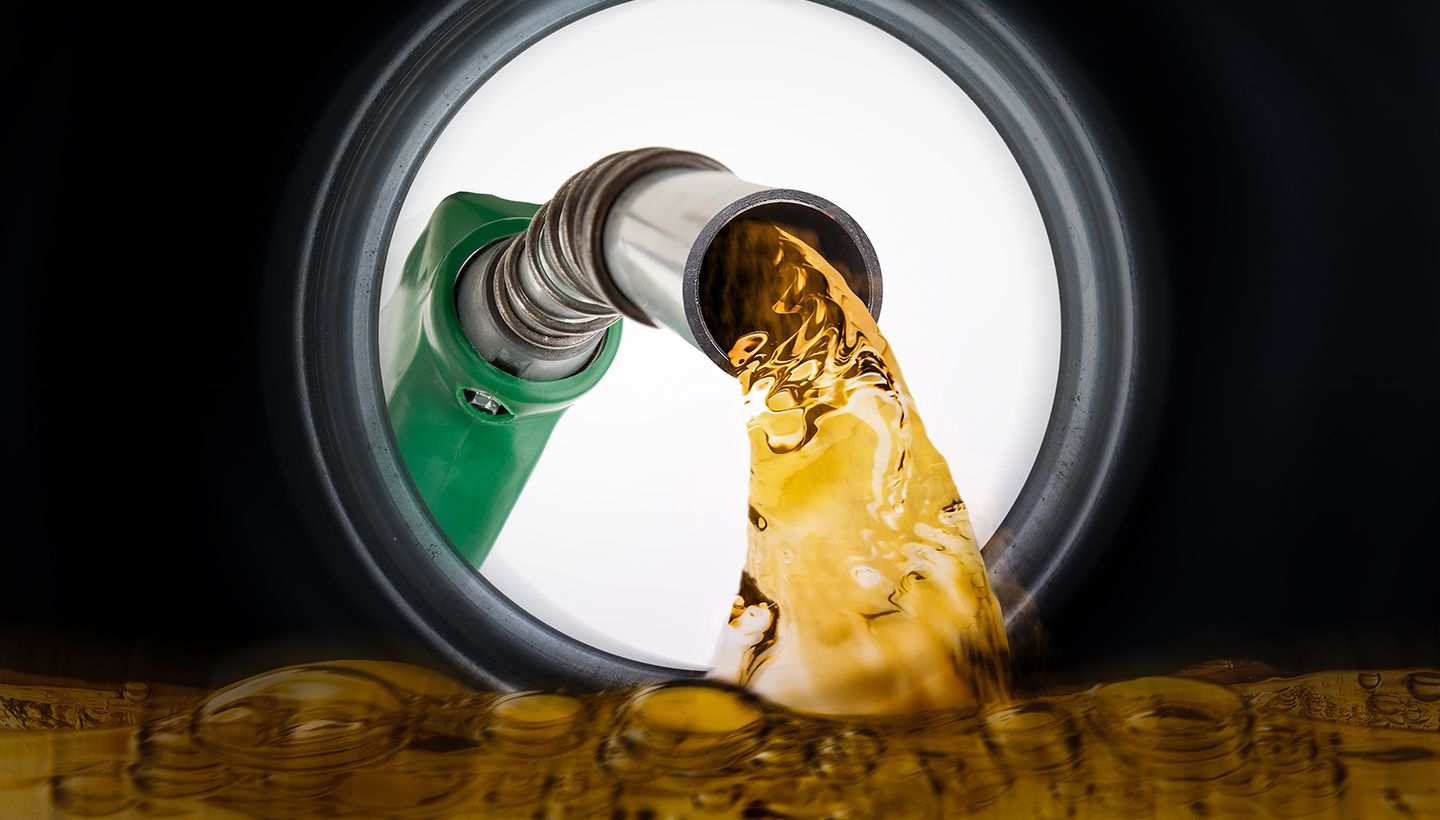
Despite its widespread presence, many people know little about how ethanol is produced, where it comes from, or why industries rely on it so heavily. Understanding ethanol helps explain its significance in modern economies and its growing role in discussions about energy, sustainability, and industrial development.
This guide explores ethanol in simple language, covering its production methods, common applications, industrial importance, and current trends shaping its future.
What Is Ethanol?
Ethanol, also known as ethyl alcohol, is an organic chemical compound with the formula C₂H₅OH. It is a clear, colorless liquid that evaporates easily and mixes readily with water.
Ethanol belongs to a group of chemicals known as alcohols. Although many people associate it primarily with beverages, its industrial uses extend far beyond that context.
Industries use ethanol because it possesses several useful characteristics:
- It dissolves many substances effectively.
- It burns relatively cleanly.
- It evaporates quickly.
- It mixes with water and certain fuels.
- It can be produced from renewable agricultural materials.
These properties make ethanol suitable for a wide variety of applications.
How Ethanol Is Produced
Ethanol production generally follows two main pathways: biological production and synthetic production.
Biological Production Through Fermentation
Fermentation is the most widely used method for producing ethanol.
During fermentation, microorganisms such as yeast convert sugars into ethanol and carbon dioxide. Agricultural crops rich in sugars or starches serve as the raw material.
Common feedstocks include:
- Sugarcane
- Corn
- Wheat
- Sugar beet
- Sorghum
- Cassava
The basic fermentation process includes several stages:
- Preparation of raw materials.
- Conversion of starch into sugars when necessary.
- Fermentation using yeast.
- Distillation to separate ethanol.
- Purification to achieve the desired concentration.
This method is widely used because many agricultural resources contain fermentable sugars.
Synthetic Production
Synthetic ethanol is produced through chemical reactions involving petrochemical feedstocks.
One common process involves the hydration of ethylene, where ethylene reacts with water under controlled conditions.
Synthetic production is often used for specific industrial applications requiring highly controlled chemical characteristics.
Major Types of Ethanol
Different applications require different grades of ethanol.
| Type | Typical Application |
|---|---|
| Fuel Ethanol | Transportation fuel blends |
| Industrial Ethanol | Manufacturing and processing |
| Laboratory Ethanol | Scientific research and testing |
| Pharmaceutical Grade Ethanol | Healthcare and medical products |
| Beverage Grade Ethanol | Food and beverage production |
Each type undergoes specific purification and quality control procedures depending on its intended use.
Ethanol in Transportation
One of the most recognized applications of ethanol is in transportation fuels.
Many countries blend ethanol with gasoline to create fuel mixtures used in internal combustion engines.
Common examples include:
- E10: 10% ethanol and 90% gasoline
- E15: 15% ethanol and 85% gasoline
- E85: Higher ethanol concentration fuel blend
Fuel ethanol has attracted attention because it can be produced from agricultural resources rather than relying entirely on fossil fuels.
Several countries have established blending programs to incorporate ethanol into national fuel supplies.
Industrial Applications of Ethanol
Ethanol is widely used across numerous industries.
Chemical Manufacturing
Many industrial processes use ethanol as a raw material or intermediate compound.
It contributes to the production of:
- Paints
- Coatings
- Adhesives
- Plastics
- Synthetic chemicals
Solvent Applications
Ethanol serves as a solvent because it dissolves a wide range of substances.
Industries utilize this property in manufacturing and processing operations.
Pharmaceutical Production
Pharmaceutical manufacturers use ethanol in various formulations and production processes.
Applications may include:
- Extraction processes
- Manufacturing procedures
- Cleaning operations
Laboratory Use
Research laboratories frequently use ethanol for scientific analysis, sample preparation, and equipment cleaning.
Its predictable chemical behavior makes it useful in analytical environments.
Ethanol in Healthcare Settings
Healthcare facilities use ethanol in numerous ways.
One of its most familiar applications is within hand sanitizing formulations and surface disinfecting products.
Additional healthcare uses include:
- Medical preparation processes
- Laboratory procedures
- Equipment cleaning
- Pharmaceutical manufacturing
Strict quality standards apply when ethanol is used in healthcare-related environments.
Agricultural Connections
Agriculture and ethanol production are closely linked.
Farm crops frequently provide the raw materials necessary for biological ethanol production.
Agricultural involvement includes:
- Cultivation of feedstock crops
- Harvesting and processing
- Transportation to production facilities
In some regions, byproducts from ethanol production may also contribute to livestock nutrition or other agricultural applications.
The relationship between agriculture and ethanol continues to evolve as production technologies improve.
Environmental Considerations
Ethanol is often discussed in relation to environmental sustainability.
Several factors influence these discussions.
Renewable Feedstocks
Many forms of ethanol originate from renewable plant materials rather than fossil resources.
Carbon Cycle Considerations
Plants absorb carbon dioxide during growth. This characteristic contributes to discussions regarding greenhouse gas emissions associated with biofuel production.
Resource Use
Ethanol production requires agricultural land, water, and energy inputs. Researchers continue studying ways to improve resource efficiency.
Advanced Biofuels
Emerging technologies aim to produce ethanol from non-food biomass sources such as agricultural residues and plant waste materials.
These innovations seek to improve sustainability while reducing dependence on traditional feedstocks.
Current Trends in Ethanol Production
The ethanol sector continues to develop as technology advances.
Cellulosic Ethanol
Cellulosic ethanol uses plant fibers, crop residues, and other biomass materials as feedstocks.
Potential raw materials include:
- Corn stover
- Wheat straw
- Forestry residues
- Energy crops
Process Efficiency Improvements
Modern facilities increasingly use advanced technologies to improve production efficiency and reduce environmental impacts.
Automation and Digital Monitoring
Production plants are adopting automated systems and digital monitoring technologies to optimize operations.
Research and Innovation
Researchers continue exploring new fermentation techniques, feedstocks, and process improvements.
These developments may influence future ethanol production capabilities.
Challenges Associated With Ethanol Production
Like many industrial products, ethanol production involves certain challenges.
Feedstock Availability
Agricultural output can vary due to weather conditions and other factors.
Infrastructure Requirements
Production facilities require significant infrastructure, including processing equipment and transportation networks.
Storage and Handling
Because ethanol is flammable, appropriate storage and handling procedures are essential.
Regulatory Compliance
Producers must comply with regulations related to environmental protection, safety, and product quality.
Addressing these challenges supports safe and efficient operations.
Safety Considerations
Proper safety practices are important when handling ethanol.
Key considerations include:
- Storing ethanol in approved containers
- Avoiding ignition sources
- Ensuring adequate ventilation
- Following workplace safety procedures
- Using appropriate protective equipment when necessary
Industrial facilities generally establish detailed safety protocols to minimize risks associated with handling flammable liquids.
The Future of Ethanol
Ethanol is expected to remain an important industrial chemical and transportation fuel component for many years.
Growing interest in renewable energy sources, technological innovation, and sustainable manufacturing practices continues to shape the industry.
Future developments may include:
- Expanded use of advanced biofuels
- Greater reliance on agricultural residues
- Improved production efficiency
- Enhanced integration with renewable energy systems
As industries adapt to changing environmental and energy priorities, ethanol will likely continue evolving alongside these broader trends.
Conclusion
Ethanol is a versatile chemical compound with significant applications in transportation, healthcare, manufacturing, agriculture, and scientific research. Produced through biological fermentation or synthetic processes, it serves as a fuel component, solvent, industrial raw material, and laboratory chemical. Ongoing advancements in production technology and renewable feedstocks continue influencing the role of ethanol in modern industry. Understanding its production methods, applications, and challenges provides valuable insight into one of today's widely used industrial chemicals.

Related Post...

Explore How Sheet Cutting Machines Help Achieve Clean and Accurate Cuts
Updated: September 09, 2026
Read More
Best Raksha Bandhan Gifts Complete Guide to Meaningful Festive Giving
Updated: August 11, 2026
Read More
Industrial Freeze Dryer Complete Advice to Modern Drying Technology
Updated: August 22, 2026
Read More