Gold Testing Machine Complete Guide to Precious Metal Analysis and Accuracy
Gold has been valued for centuries because of its appearance, durability, and wide range of applications. It is used in jewelry, electronics, medical equipment, scientific research, and industrial manufacturing.
Since gold is often mixed with other metals to create alloys, verifying its composition is an important step in many industries. This is where a Gold Testing Machine becomes useful.
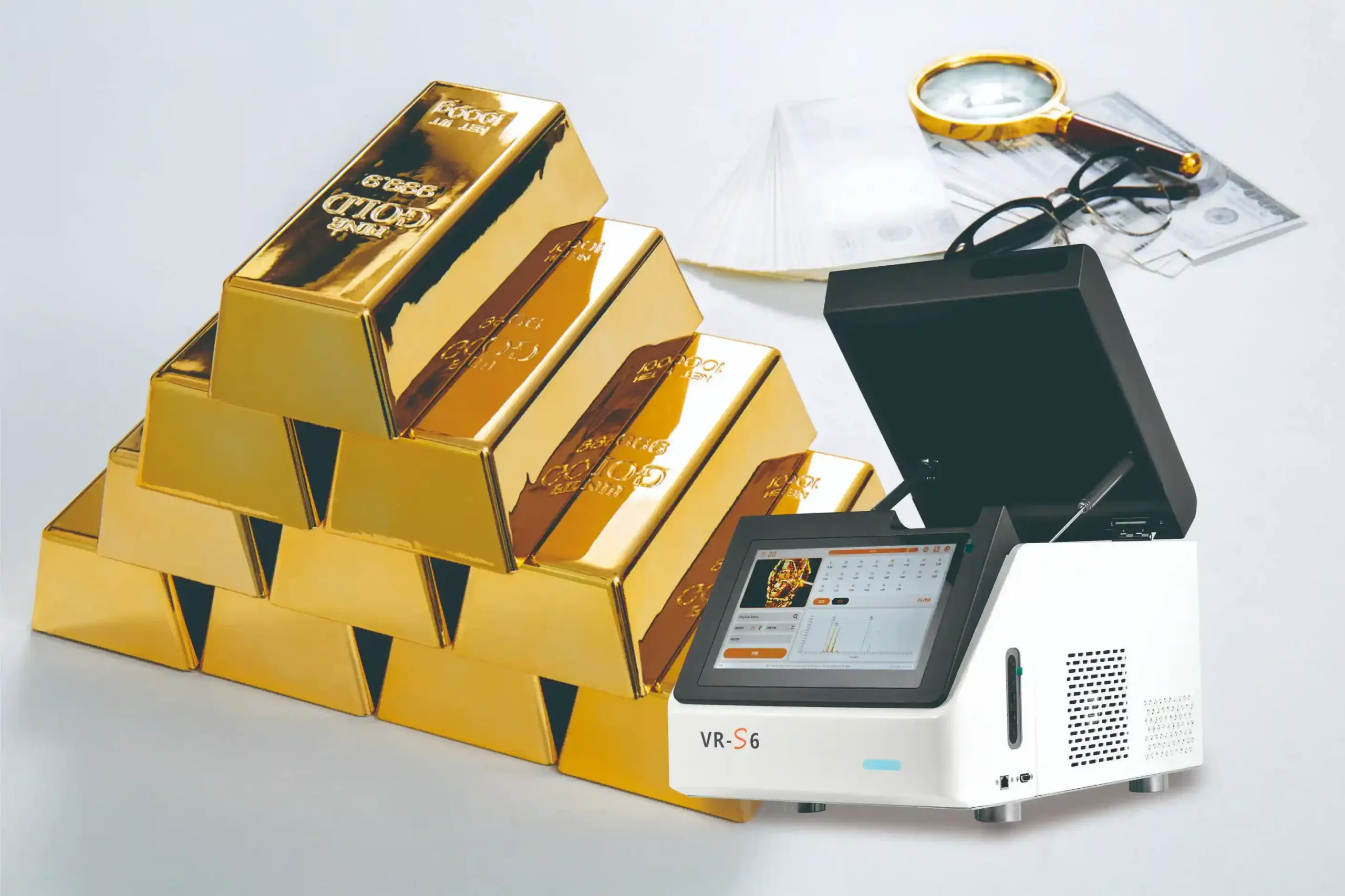
Modern testing equipment allows professionals to examine the composition of precious metals without causing significant damage to the sample. Instead of relying only on visual inspection or traditional chemical methods, today's instruments use advanced technology to measure metal content with greater consistency and speed.
Whether used in jewelry manufacturing, quality control laboratories, recycling facilities, or educational institutions, Gold Testing Machines help users better understand the composition of precious metal items. This guide explains how these machines work, the different technologies available, common applications, important features, and the latest developments in precious metal analysis.
Understanding a Gold Testing Machine
A Gold Testing Machine is an analytical instrument designed to examine the composition and purity of gold and other precious metals. Depending on the technology used, the machine can identify the percentage of gold present and detect additional metals within an alloy.
Many modern instruments provide results without damaging the sample, making them suitable for routine testing in professional environments.
Gold Testing Machines are commonly used in:
- Jewelry manufacturing
- Quality control laboratories
- Precious metal recycling
- Educational institutions
- Research laboratories
- Industrial manufacturing
- Assay laboratories
- Metal processing facilities
Each application may require different levels of analytical precision and testing speed.
Why Gold Testing Matters
Gold is rarely used in its pure form for everyday products. It is often combined with metals such as silver, copper, nickel, or zinc to improve durability and achieve specific physical characteristics.
Accurate testing helps with:
- Material identification
- Quality verification
- Manufacturing consistency
- Alloy composition analysis
- Research activities
- Documentation of material properties
Reliable analysis supports consistent production and quality management.
How a Gold Testing Machine Works
Different machines use different scientific methods, but the general process follows similar steps.
Sample Preparation
The item being tested is cleaned to remove surface contamination that could affect the measurement.
Some technologies require little or no sample preparation.
Measurement
The machine scans or analyzes the sample using its selected analytical method.
Measurements usually take only a short time depending on the equipment.
Data Analysis
The instrument processes the collected information and calculates the composition of the metal.
Results
The display presents information about the sample, including the percentage of gold and other detected metals where applicable.
Common Testing Technologies
Several analytical methods are used in Gold Testing Machines.
X-Ray Fluorescence (XRF)
XRF technology is one of the most widely used methods for non-destructive precious metal analysis.
The instrument measures the characteristic energy emitted by different elements, allowing it to identify metal composition.
Electrical Conductivity Testing
Some portable devices estimate metal composition by measuring electrical properties.
These systems are commonly used for quick screening applications.
Density Measurement
Traditional density-based methods compare the weight and volume of an object to estimate its composition.
This approach is often combined with other testing techniques.
Chemical Analysis
Laboratory chemical analysis may be used for specialized applications that require detailed material evaluation.
These procedures are performed under controlled laboratory conditions.
Features of Modern Gold Testing Machines
Technology has significantly improved precious metal analysis.
Many instruments include:
- Digital touch-screen displays
- Fast analytical results
- Multi-metal identification
- Data storage
- USB connectivity
- Automated calibration reminders
- Report generation
- User-friendly interfaces
The available features depend on the instrument type and intended application.
Industries That Use Gold Testing Machines
Gold analysis supports numerous professional fields.
Jewelry Manufacturing
Manufacturers verify alloy composition during production to maintain consistent product quality.
Recycling
Recycling facilities identify precious metal content before further processing.
Research Laboratories
Researchers analyze metal composition during scientific investigations and material studies.
Electronics Manufacturing
Some electronic components contain gold because of its excellent conductivity and resistance to corrosion.
Material analysis supports quality control during production.
Educational Institutions
Universities and technical institutes use analytical instruments to teach materials science and analytical chemistry.
Advantages of Modern Testing Technology
Modern Gold Testing Machines provide several practical benefits.
Some important advantages include:
- Non-destructive analysis
- Fast measurements
- Consistent results
- Multi-element analysis
- Digital reporting
- Reduced sample preparation
These features support efficient laboratory and industrial workflows.
Calibration and Maintenance
Routine calibration helps maintain measurement accuracy.
Common maintenance activities include:
- Cleaning measurement surfaces
- Checking calibration standards
- Software updates
- Routine inspections
- Performance verification
- Proper storage
Following manufacturer guidelines supports reliable instrument operation.
Safety Considerations
Although Gold Testing Machines are designed for professional use, operators should follow established laboratory safety practices.
Common precautions include:
- Proper equipment training
- Clean testing surfaces
- Appropriate protective equipment when required
- Routine equipment inspection
- Correct sample handling
- Compliance with workplace safety procedures
Safe operating practices help maintain both user safety and equipment performance.
Gold Testing Machine Overview
| Technology | Primary Purpose |
|---|---|
| X-Ray Fluorescence | Element identification |
| Electrical Conductivity | Rapid material evaluation |
| Density Measurement | Composition estimation |
| Chemical Analysis | Detailed laboratory testing |
| Digital Reporting | Result documentation |
Technology Trends
Precious metal analysis continues advancing through digital innovation.
Recent developments include:
- Artificial intelligence-assisted data analysis
- Cloud-based result management
- Portable analytical instruments
- Improved detector sensitivity
- Automated calibration features
- Enhanced reporting software
These technologies help laboratories and manufacturing facilities improve efficiency while maintaining reliable analytical performance.
Looking Ahead
As analytical technology continues evolving, Gold Testing Machines are becoming smaller, faster, and more capable. Advances in sensor technology, artificial intelligence, and digital data management are expected to improve analytical efficiency while simplifying operation.
Future systems may provide enhanced automation, smarter diagnostics, and even greater integration with laboratory information systems.
Why Understanding Gold Testing Matters
Gold analysis is about more than determining metal composition. It reflects the importance of precision, scientific measurement, and quality management across industries. From jewelry manufacturing and recycling to electronics and laboratory research, analytical testing helps professionals understand material properties through reliable measurement techniques.
Learning about Gold Testing Machines also highlights how modern science supports everyday manufacturing and industrial quality control.
Conclusion
A Gold Testing Machine is an important analytical tool used to examine the composition of gold and other precious metals through modern scientific methods. By combining advanced technologies such as X-ray fluorescence, digital analysis, and automated reporting, these instruments support accurate material evaluation across jewelry manufacturing, research, recycling, and industrial applications. As analytical technology continues advancing, Gold Testing Machines will remain valuable tools for precise and efficient precious metal analysis.

Related Post...
Blow Molding Machines Complete Guide to Modern Plastic Manufacturing
Updated: September 17, 2026
Read More
Blow Molding Machines Complete Advice to Modern Plastic Manufacturing
Updated: September 08, 2026
Read More
Learn How Box Packing Machines Improve Ecommerce Packaging Efficiency
Updated: September 22, 2026
Read More