Industrial Edge Devices Complete Guide to Smart Computing and Industrial Automation
Factories today generate enormous amounts of information every second. Machines measure temperature, pressure, vibration, speed, energy consumption, and many other operating conditions.
Processing all of this information in distant data centers can sometimes create delays, especially when quick decisions are needed. This is why Industrial Edge Devices have become an important part of modern manufacturing and automation.
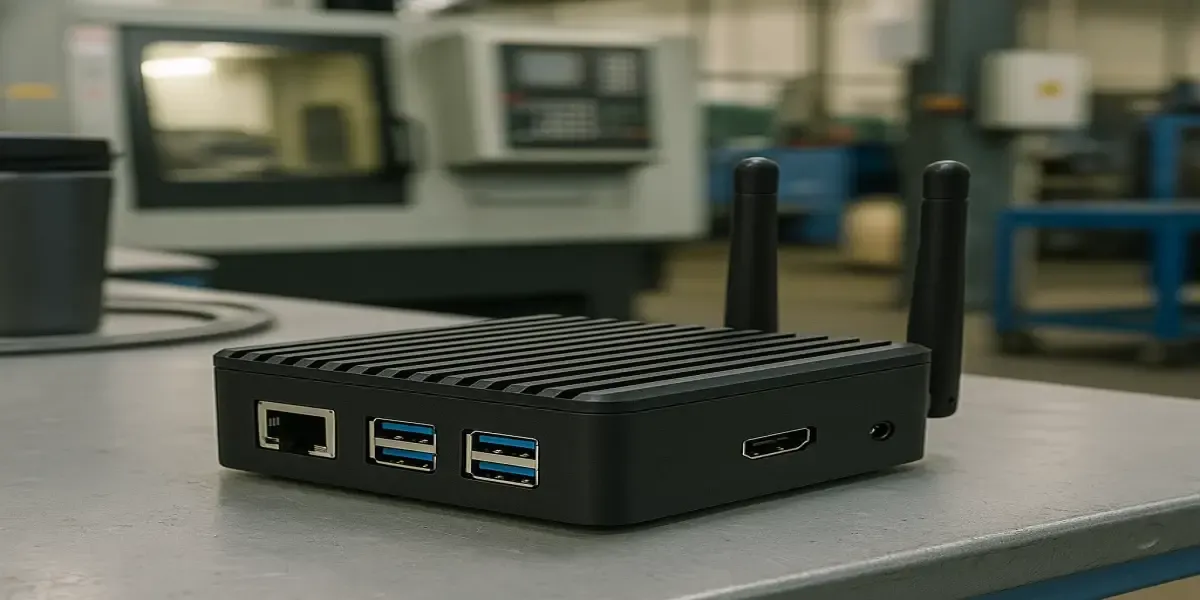
Instead of sending every piece of information directly to the cloud, Industrial Edge Devices process much of the data close to where it is created. This approach allows factories to monitor equipment more efficiently, respond to changing conditions more quickly, and reduce unnecessary network traffic.
As industries continue adopting smart manufacturing and Industry 4.0 technologies, edge computing is becoming increasingly valuable. This guide explains what Industrial Edge Devices are, how they work, their common applications, important features, and the technology trends shaping the future of industrial automation.
Understanding Industrial Edge Devices
Industrial Edge Devices are specialized computing systems installed close to industrial equipment and production processes. Their main purpose is to collect, process, and analyze operational information before sending selected data to central servers or cloud platforms.
Unlike traditional computing systems that rely entirely on remote data processing, edge devices perform many computing tasks locally. This helps industries respond more efficiently to real-time operating conditions.
Industrial Edge Devices are commonly used in:
- Manufacturing
- Energy production
- Water treatment
- Oil and gas operations
- Transportation
- Warehousing
- Agriculture
- Mining
- Smart buildings
- Utility management
Their flexibility allows them to support many different industrial environments.
Why Industrial Edge Devices Matter
Modern factories use thousands of connected sensors and machines. Every device generates information that can help improve production, equipment maintenance, and operational planning.
Industrial Edge Devices help organizations:
- Process information locally
- Reduce communication delays
- Improve operational visibility
- Support automation systems
- Simplify data management
- Improve equipment monitoring
Processing information near the source also helps reduce unnecessary data transmission.
How Industrial Edge Devices Work
Although different devices have different capabilities, their operation follows a similar process.
Data Collection
Industrial Edge Devices receive information from connected equipment such as:
- Temperature sensors
- Pressure sensors
- Flow meters
- Industrial robots
- Production machinery
- Environmental monitoring systems
These devices continuously gather operational information.
Local Processing
Instead of immediately forwarding all data to the cloud, the edge device analyzes information locally.
Only the information needed for long-term storage or advanced analysis is transmitted.
Decision Support
Local processing allows automation systems to respond more quickly to changing operating conditions.
This supports efficient industrial operations.
Cloud Communication
Selected information is transmitted to cloud platforms for reporting, long-term storage, and additional analysis.
Main Components
Industrial Edge Devices combine several important technologies.
Processor
The processor performs calculations and manages local data analysis.
Modern processors support complex industrial applications while maintaining reliable performance.
Memory
Memory temporarily stores information while the device processes incoming data.
Storage
Built-in storage retains software, configuration files, and operational records.
Communication Interfaces
Industrial Edge Devices communicate with machines through multiple communication standards.
Common interfaces include:
- Ethernet
- Serial communication
- Wi-Fi
- Cellular connectivity
- Industrial communication protocols
Common Features
Modern Industrial Edge Devices provide numerous capabilities.
Some common features include:
- Local data processing
- Remote monitoring
- Edge analytics
- Industrial protocol support
- Data filtering
- Secure communication
- Device management
- Cloud connectivity
These features help support modern industrial environments.
Industries That Use Industrial Edge Devices
Many sectors rely on edge computing technology.
Manufacturing
Factories monitor production equipment, industrial robots, and automated assembly lines through edge devices.
Energy
Power generation facilities process equipment information locally to improve operational awareness.
Water Treatment
Treatment facilities monitor pumps, valves, sensors, and water quality systems through connected edge devices.
Agriculture
Smart farming systems process environmental information collected from irrigation equipment and field sensors.
Transportation
Transportation systems monitor vehicles, traffic infrastructure, and operational equipment using edge computing technology.
Edge Computing and Automation
Industrial Edge Devices are an important part of automation systems.
They work alongside:
- Industrial IoT Gateways
- Programmable logic controllers
- Industrial robots
- Smart sensors
- Machine vision systems
- Manufacturing execution systems
Together, these technologies create connected production environments capable of responding quickly to operational changes.
Cybersecurity
Because Industrial Edge Devices connect operational equipment with digital networks, cybersecurity remains an important consideration.
Many devices include:
- Encrypted communication
- User authentication
- Secure software updates
- Device monitoring
- Access management
- Activity logging
These measures help support secure industrial operations.
Industrial Edge Devices Overview
| Feature | Primary Purpose |
|---|---|
| Local Processing | Analyzes data near equipment |
| Data Collection | Receives machine information |
| Communication Interfaces | Connects industrial devices |
| Edge Analytics | Evaluates operational data |
| Cloud Connectivity | Transfers selected information |
| Remote Monitoring | Supports equipment supervision |
Technology Trends
Edge computing continues advancing alongside industrial automation.
Recent developments include:
- Artificial intelligence integration
- Machine learning at the edge
- Digital twin technology
- 5G industrial connectivity
- Advanced cybersecurity tools
- Predictive maintenance
- Improved energy efficiency
These technologies allow edge devices to process more information while supporting faster decision-making.
Benefits of Industrial Edge Computing
Organizations use Industrial Edge Devices for several practical reasons.
Common advantages include:
- Faster response times
- Reduced network traffic
- Improved operational visibility
- Better equipment monitoring
- More efficient data management
- Enhanced production analysis
These capabilities help industries respond more effectively to changing production conditions.
Looking Ahead
As manufacturing becomes increasingly connected, Industrial Edge Devices will continue growing in importance. Future devices are expected to include more powerful processors, improved artificial intelligence capabilities, stronger cybersecurity features, and deeper integration with cloud computing platforms.
Advances in edge computing will also support greater automation, smarter factories, and more efficient industrial operations across many sectors.
Why Understanding Industrial Edge Devices Matters
Even though most people never interact directly with industrial computing systems, edge technology supports the production of many everyday products. Vehicles, electronics, household appliances, medical equipment, packaged foods, and countless manufactured goods are increasingly produced in factories that rely on Industrial Edge Devices.
Learning about these technologies helps explain how modern manufacturing combines computing, automation, communication, and engineering to create efficient production systems capable of adapting to changing industrial needs.
Conclusion
Industrial Edge Devices have become an essential part of modern industrial automation by processing information close to production equipment and supporting faster operational decisions. Through local computing, secure communication, edge analytics, and cloud connectivity, these devices help industries improve efficiency, equipment monitoring, and production management. As artificial intelligence, Industry 4.0, and smart manufacturing continue evolving, Industrial Edge Devices will remain a key technology supporting connected industrial environments.

Related Post...

New AI Powered Workspace Complete Guide to Smarter Digital Collaboration
Updated: September 08, 2026
Read More
Best Billing Software in India: Complete Guide for Efficient Invoice Management
Updated: September 22, 2026
Read More
Industrial Edge Devices Complete Advice to Smart Computing and Industrial Automation
Updated: September 17, 2026
Read More