Industrial Routers Complete Guide to Secure Connectivity and Industrial Networking
Modern factories depend on reliable communication between machines, computers, sensors, and control systems. Every second, industrial equipment exchanges information that helps monitor production, track performance, and support automated operations.
To keep this communication stable and secure, industries rely on networking equipment built for demanding environments. One of the most important devices in this infrastructure is the Industrial Router.
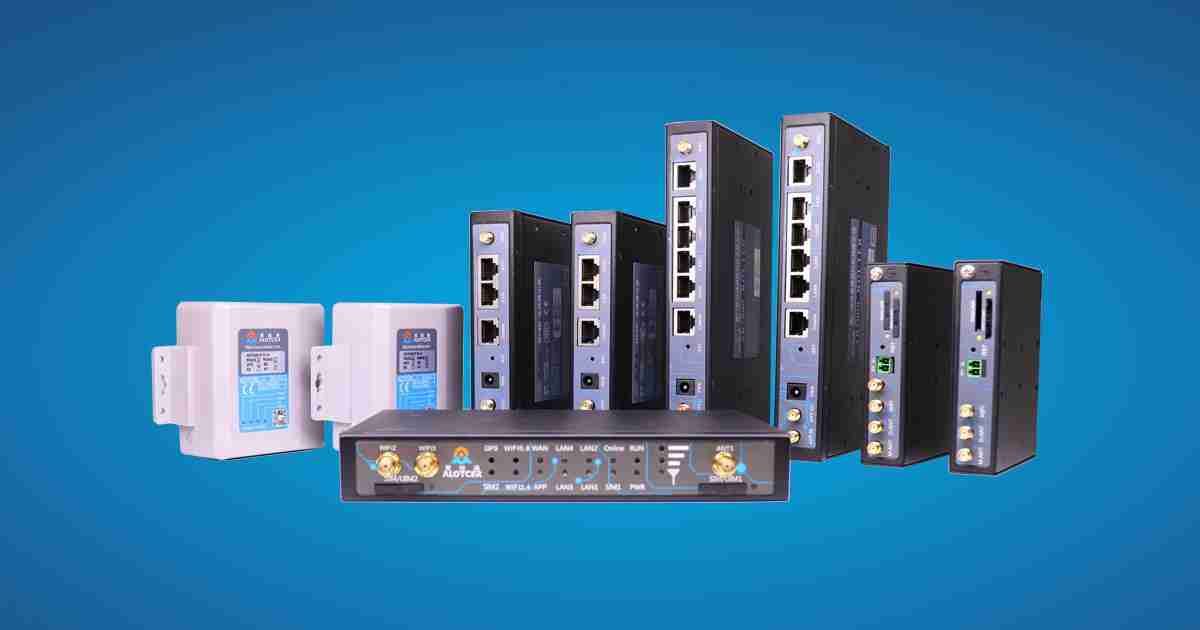
Unlike standard networking equipment used in homes or small offices, Industrial Routers are designed to operate in environments where dust, vibration, temperature changes, moisture, and continuous operation are common. They help connect production equipment, remote facilities, and monitoring systems while supporting secure communication across industrial networks.
As manufacturing continues moving toward Industry 4.0 and connected automation, Industrial Routers have become an essential part of digital infrastructure. This guide explains how these devices work, their main features, industrial applications, and the technologies shaping the future of industrial networking.
Understanding Industrial Routers
Industrial Routers are specialized networking devices that transfer data between industrial equipment, local networks, cloud platforms, and remote monitoring systems. They are built to maintain stable communication even in demanding operating environments where ordinary networking equipment may not be suitable.
These routers connect various industrial devices while supporting reliable communication between production facilities and centralized management systems.
Industrial Routers are commonly used in:
- Manufacturing plants
- Energy facilities
- Water treatment plants
- Transportation systems
- Oil and gas operations
- Mining facilities
- Agriculture
- Warehousing
- Smart buildings
- Utility infrastructure
Their rugged construction allows them to operate continuously in challenging industrial conditions.
Why Industrial Routers Matter
Modern industrial operations depend on uninterrupted communication. Machines exchange production data, sensors report operating conditions, and automation systems coordinate manufacturing processes in real time.
Industrial Routers help organizations:
- Connect industrial equipment
- Support remote monitoring
- Improve communication reliability
- Enable secure network access
- Connect multiple facilities
- Support industrial automation
Reliable networking helps production systems operate more efficiently and reduces communication interruptions.
How Industrial Routers Work
Although different models include different capabilities, the overall process is similar.
Data Collection
Industrial equipment generates information such as production data, sensor readings, equipment status, and operational alerts.
The router receives this information through connected industrial networks.
Data Routing
The router analyzes network traffic and forwards information to the appropriate destination.
This may include local computers, industrial controllers, cloud platforms, or remote monitoring centers.
Secure Communication
Many Industrial Routers include built-in security features that help protect industrial communications during transmission.
Continuous Monitoring
Administrators monitor network performance and connected devices through centralized management platforms.
Main Components
Industrial Routers combine several important hardware components.
Processor
The processor manages network communication, routing decisions, and security functions.
Communication Interfaces
Industrial Routers often include multiple connection options, including:
- Ethernet ports
- Serial interfaces
- Cellular communication
- Wi-Fi connectivity
- Fiber optic connections
These interfaces allow the router to communicate with different industrial systems.
Memory
Memory temporarily stores routing information and operating data.
Power Management
Industrial models often include stable power management features designed for continuous operation.
Common Features
Modern Industrial Routers provide numerous networking capabilities.
Some common features include:
- Secure remote access
- Virtual private network support
- Multiple communication interfaces
- Firewall protection
- Cellular connectivity
- Automatic failover
- Network monitoring
- Cloud integration
These features support reliable communication across industrial environments.
Communication Technologies
Industrial Routers support a variety of communication methods.
Examples include:
- Ethernet
- 4G LTE
- 5G connectivity
- Wi-Fi
- Fiber optic networking
- Satellite communication
The selected communication method depends on operational requirements and available infrastructure.
Industries That Use Industrial Routers
Many industries depend on reliable industrial networking.
Manufacturing
Factories use Industrial Routers to connect production equipment, programmable controllers, industrial robots, and monitoring systems.
Energy
Power generation facilities monitor equipment, substations, and operational data through secure industrial networks.
Water Treatment
Water treatment plants connect pumps, sensors, and control systems using industrial communication networks.
Transportation
Transportation infrastructure uses Industrial Routers to support traffic systems, railway communication, and fleet monitoring.
Agriculture
Modern agricultural operations connect irrigation systems, environmental sensors, and field equipment through industrial networking.
Cybersecurity
As industrial networks become increasingly connected, cybersecurity has become more important.
Industrial Routers often include:
- Firewall protection
- User authentication
- Virtual private networks
- Encrypted communication
- Secure firmware updates
- Access management
These features help protect industrial communication from unauthorized access.
Industrial Automation
Industrial Routers work alongside many automation technologies.
Examples include:
- Industrial IoT Gateways
- Edge computing devices
- Smart sensors
- Programmable logic controllers
- Manufacturing execution systems
- Enterprise resource planning platforms
Together, these technologies support connected manufacturing environments.
Industrial Routers Overview
| Feature | Primary Purpose |
|---|---|
| Secure Routing | Transfers industrial data safely |
| Ethernet Connectivity | Connects local equipment |
| Cellular Communication | Supports remote locations |
| VPN Support | Enables secure remote access |
| Firewall Protection | Improves network security |
| Cloud Connectivity | Connects industrial platforms |
Technology Trends
Industrial networking continues evolving through digital innovation.
Recent developments include:
- 5G industrial communication
- Artificial intelligence-assisted network monitoring
- Edge computing integration
- Cloud-native network management
- Predictive network diagnostics
- Advanced cybersecurity technologies
- Software-defined networking
These innovations improve communication reliability while supporting modern industrial automation.
Looking Ahead
As industries continue adopting smart manufacturing technologies, Industrial Routers will become even more capable. Future developments are expected to include stronger cybersecurity, improved artificial intelligence for network management, enhanced edge computing integration, and faster wireless communication technologies.
These improvements will help organizations manage increasingly connected industrial environments while maintaining reliable communication between equipment, facilities, and cloud platforms.
Why Understanding Industrial Routers Matters
Although most people never notice the networking equipment operating behind factory walls, Industrial Routers support the communication systems that keep modern manufacturing running. From automotive production and food processing to energy generation and transportation, reliable industrial networking helps connect machines, people, and digital systems.
Learning about Industrial Routers provides a better understanding of how communication technology supports automation, operational efficiency, and connected industrial infrastructure.
Conclusion
Industrial Routers are an essential part of modern industrial networking, providing secure and reliable communication between machines, control systems, cloud platforms, and remote monitoring applications. Through advanced networking capabilities, cybersecurity features, and support for multiple communication technologies, these devices help industries maintain efficient and connected operations. As Industry 4.0 continues advancing, Industrial Routers will remain a key component of smart manufacturing and industrial automation.

Related Post...

AI Medicine Complete Guide to Intelligent Healthcare Technologies and Patient Care
Updated: September 16, 2026
Read More
PayPal Competitors Complete Advice to Popular Digital Payment Platforms
Updated: September 24, 2026
Read More
Best Lead Management Software Complete Advice to Organizing and Tracking Business Opportunities
Updated: September 17, 2026
Read More