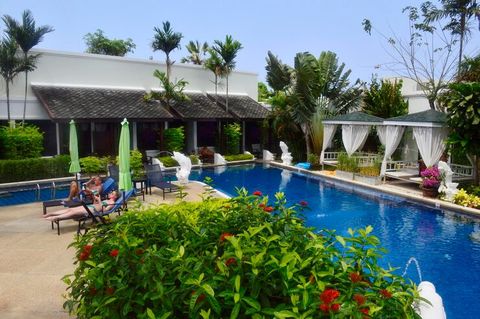
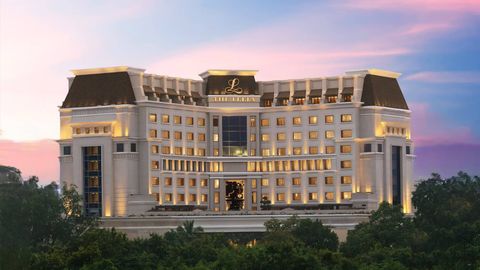
The Leela Explained: Discover the Luxury, Comfort, and Hospitality Behind Its Hotels
The Leela is an Indian luxury hospitality brand with hotels, palace-style properties, and resorts in several destinations. Its story began in Mumbai in 1986, when founder Captain C. P. Krishnan Nair opened the first Leela hotel. The concept brought together Indian hospitality, architecture, cuisine, and settings connected with local culture.
The group later expanded into business cities, heritage destinations, and leisure locations. Its collection is not one uniform hotel format: each property has a distinct setting, design, facilities, and character.
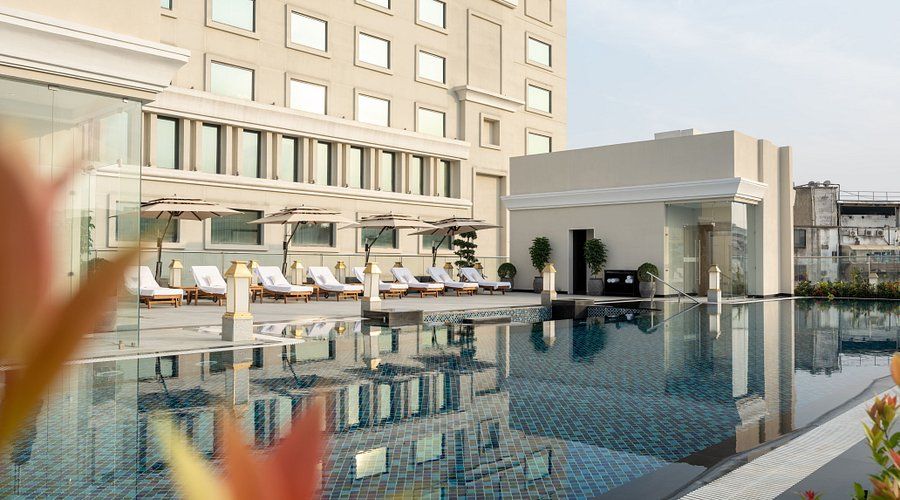
From a City Hotel to a Wider Portfolio
The first property opened near Mumbai's airport. Later hotels brought the brand to New Delhi, Bengaluru, Chennai, Udaipur, Jaipur, and other destinations. The group is headquartered in Mumbai and is backed by a private real estate fund sponsored by Brookfield Asset Management.
What Defines The Leela Experience?
The Leela's identity draws on Indian architecture, art, regional food, and cultural traditions. Some properties feature palace-inspired courtyards, landscaped gardens, or views of historic and natural surroundings. City hotels may focus more on access to business districts, transport links, and meeting facilities.
Guest comfort also depends on practical details, such as room layouts, dining choices, wellness facilities, concierge assistance, event spaces, and accessibility arrangements. Facilities vary by property.
Importance
Hotels influence how people experience a destination. Business travellers may need a quiet place between meetings, while families may look for adjoining rooms, dining options, and activities for different ages. A heritage resort can also introduce visitors to local architecture, food, landscapes, and traditions.
The Leela is part of India's hospitality sector because its properties combine accommodation with local cultural themes. This reflects a wider travel trend: visitors may consider a hotel's setting, food, design, wellness facilities, and connection with its destination.
Who May Stay at These Hotels?
The properties serve different visitor groups. Business travellers may use meeting rooms and event spaces, while leisure guests may be interested in resorts, heritage surroundings, wellness programmes, or local attractions. Weddings and conferences also require planning around rooms, dining, transport, venue capacity, and timing.
Comfort, Culture, and Guest Expectations
Luxury hospitality involves more than room size or decoration. Cleanliness, privacy, reliable facilities, clear communication, food quality, and staff responsiveness all influence a stay. Guests may also consider accessibility, dietary needs, child-friendly arrangements, connectivity, and work areas.
Recent Updates
From 2024 to 2026, The Leela developed its portfolio and broadened the destinations associated with the brand. Developments included a new city property, expansion plans, and greater attention to nature-based and wellness-oriented stays.
New Destinations and Business Developments
The Leela Hyderabad opened in Banjara Hills in 2024. The 156-room property marked the brand's entry into the city and added an urban hotel shaped around the area's cultural identity.
In 2025, the company completed an initial public listing, and its shares began trading on Indian stock exchanges. This was a corporate development rather than a change to hotel facilities. It also announced an agreement for a planned resort in Jaisalmer.
In 2026, the brand marked four decades since its first hotel opened. It introduced the name The Leela Coorg Forest Sanctuary for a recently acquired retreat, highlighting nature, coffee plantations, and wellness. The announcement described the property's direction; its operating status should be checked before travel.
A Broader View of Hospitality
Recent hotel-sector developments show attention to local identity, wellness, environmental practices, and digital guest information. The Leela describes its sustainability framework through environmental stewardship, inclusive culture, heritage and communities, and responsible sourcing. Activities can vary by property.
Laws or Policies
Hotels in India operate under national, state, and local requirements. Rules may relate to food safety, fire protection, building permissions, taxation, consumer rights, employment, and guest records.
Hotel Classification and Safety
The Ministry of Tourism has a voluntary system for classifying hotels and resorts. Classification considers facilities and other criteria set out in ministry guidelines. It does not replace local permissions, fire clearances, or other legal requirements.
Fire and building rules are governed by applicable local standards. Hotels must also follow requirements for guest safety, emergency arrangements, sanitation, and lawful operation. Details differ between jurisdictions.
Food, Consumer, and Guest Protection
Food businesses operating within hotels must follow the Food Safety and Standards Act, 2006, and applicable FSSAI regulations. Depending on the activity and eligibility category, a food business must obtain the required registration or licence.
The Consumer Protection Act, 2019 addresses unfair trade practices and false advertisements. Hotel descriptions, booking conditions, cancellation terms, and charges should be communicated accurately. Tax treatment is governed by applicable GST rules and rate notifications.
Tools and Resources
Travellers can review hotel fact sheets, room descriptions, booking terms, accessibility details, dining information, and location maps to understand what an individual property includes.
| Resource | What it helps clarify |
|---|---|
| Property fact sheet | Room types, facilities, and location |
| Booking conditions | Deposits, changes, cancellations, and inclusions |
| Ministry of Tourism guidelines | Hotel and resort classification |
| FSSAI information | Food safety and licensing requirements |
| Guest itinerary | Transport, arrival time, and local visits |
Before a stay, travellers can check which facilities are operating and confirm special arrangements with the individual property. This is relevant for seasonal facilities, wellness programmes, restaurants, and newly announced destinations.
FAQs
What is The Leela known for?
The Leela is known for luxury hotels, palace-inspired properties, and resorts drawing on Indian architecture, cuisine, art, and regional culture.
Where are The Leela hotels located in India?
Its destinations include Mumbai, New Delhi, Bengaluru, Chennai, Hyderabad, Jaipur, Udaipur, Gurugram, Gandhinagar, Kovalam, and Ashtamudi. The portfolio may change as properties open or are added.
Does The Leela have resorts as well as city hotels?
Yes. Its collection includes city hotels, palace-style properties, and resorts. Facilities differ by location.
What facilities can guests expect at The Leela hotels?
Facilities may include rooms, restaurants, wellness areas, event venues, pools, and meeting spaces. Availability depends on the property.
What makes The Leela different from a standard city hotel?
Its properties may incorporate local design, cultural references, regional cuisine, and destination-specific settings. The mix differs between hotels.
Conclusion
The Leela is an Indian hospitality brand with city hotels, palace-inspired properties, and resorts. Its approach combines accommodation with architecture, regional culture, dining, wellness, and guest care. Recent developments reflect portfolio growth and interest in nature-led destinations, while each property's facilities and operating details remain distinct.

Related Post...


Cruise Booking Guide: Discover Memorable Journeys Across the Seas
Updated: November 16, 2026
Read More