IT OT Integration for the Semiconductor Industry Complete Guide to Smart Manufacturing
Semiconductors are at the heart of modern technology. They are used in smartphones, computers, medical equipment, vehicles, communication systems, and countless electronic devices.
Manufacturing these tiny components requires an extremely precise production environment where every process is carefully monitored. As semiconductor factories continue adopting digital technologies, connecting information systems with factory operations has become increasingly important. This is where IT OT Integration for the Semiconductor Industry plays a significant role.
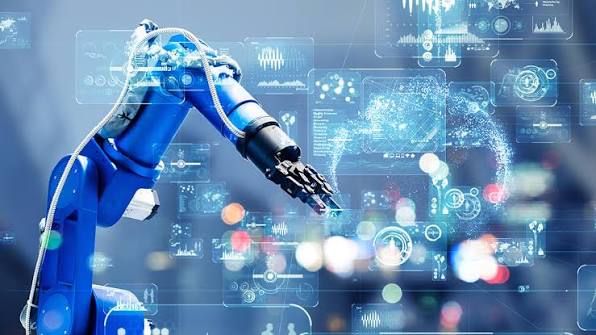
Information Technology (IT) focuses on managing business information, software, databases, and communication networks. Operational Technology (OT) focuses on equipment, production lines, industrial control systems, and factory automation. Bringing these two environments together helps improve visibility, decision-making, production efficiency, and data management across manufacturing facilities.
This guide explains what IT OT Integration for the Semiconductor Industry is, how it works, its major components, benefits, challenges, practical applications, and future developments.
What Is IT OT Integration for the Semiconductor Industry?
IT OT Integration for the Semiconductor Industry refers to connecting business information systems with manufacturing equipment and industrial operations. Instead of operating separately, both environments exchange information securely to provide a more complete view of factory activities.
IT systems typically manage production planning, inventory records, quality reporting, and business operations. OT systems monitor manufacturing equipment, sensors, robots, cleanroom processes, and industrial machinery.
By connecting these systems, manufacturers gain better visibility into production activities while improving communication between factory operations and business management.
Why Integration Matters
Semiconductor manufacturing involves thousands of highly controlled production steps. Even small process variations may affect product quality.
IT OT integration helps manufacturers:
Monitor production more effectively
Improve information accuracy
Support quality management
Track manufacturing performance
Coordinate factory operations
Improve production planning
These improvements contribute to more organized manufacturing processes.
Understanding IT and OT
Although both technologies support manufacturing, they perform different functions.
Information Technology
IT systems manage business information such as:
Production schedules
Inventory records
Quality documentation
Financial reporting
Engineering documentation
Business analytics
These systems help organizations organize operational information.
Operational Technology
OT focuses directly on manufacturing equipment.
Examples include:
Industrial sensors
Programmable controllers
Robotics
Process control systems
Inspection equipment
Production machines
OT continuously monitors manufacturing activities.
How IT OT Integration Works
Modern semiconductor facilities use secure communication between IT and OT systems.
Data Collection
Sensors and manufacturing equipment generate operational information throughout production.
Data Transfer
Industrial communication networks transfer selected information from OT systems to business platforms.
Analysis
Software analyzes manufacturing information to identify trends, production performance, and equipment status.
Decision Support
Managers and engineers review dashboards that combine operational and business information.
This integrated approach improves visibility across the factory.
Technologies Supporting Integration
Several technologies contribute to successful integration.
Common examples include:
Cloud computing
Industrial Internet of Things (IIoT)
Artificial intelligence
Machine learning
Edge computing
Manufacturing Execution Systems (MES)
Enterprise Resource Planning (ERP)
Industrial communication protocols
Together, these technologies create connected manufacturing environments.
Applications in Semiconductor Manufacturing
Integration supports many production activities.
Equipment Monitoring
Manufacturing equipment continuously reports operating conditions and production information.
Quality Management
Inspection systems share quality measurements with centralized reporting platforms.
Production Planning
Factory information supports more accurate production scheduling and resource planning.
Predictive Maintenance
Machine data helps identify patterns that may indicate future maintenance requirements.
Inventory Tracking
Production information updates inventory records throughout manufacturing.
IT OT Integration Overview
| Component | Purpose |
|---|---|
| IT Systems | Manage business information |
| OT Systems | Control manufacturing equipment |
| Industrial Sensors | Collect production data |
| MES Platform | Coordinates manufacturing activities |
| ERP Platform | Organizes business operations |
| Analytics Dashboard | Displays production insights |
Benefits
Manufacturers use IT OT integration for several practical reasons.
Common advantages include:
Better production visibility
Improved information sharing
More accurate reporting
Faster operational insights
Better equipment monitoring
Improved quality management
These capabilities help support efficient manufacturing operations.
Cybersecurity Considerations
Connecting business systems with factory equipment increases the importance of cybersecurity.
Organizations commonly implement:
Multi-factor authentication
Role-based access control
Network segmentation
Data encryption
Continuous monitoring
Security auditing
These practices help protect sensitive manufacturing information and industrial systems.
Common Challenges
Implementing IT OT integration requires careful planning.
Manufacturers often address:
Legacy equipment compatibility
Data standardization
Network reliability
Cybersecurity planning
Employee training
System scalability
Careful implementation helps reduce operational complexity.
Recent Trends
Semiconductor manufacturing continues adopting advanced digital technologies.
Recent developments include:
Artificial intelligence-assisted production analysis
Digital twin technology
Smart factory automation
Edge computing
Advanced robotics
Real-time production dashboards
Predictive equipment monitoring
These technologies continue strengthening factory operations.
Looking Ahead
As semiconductor manufacturing becomes increasingly automated, IT OT integration is expected to expand through stronger artificial intelligence, improved industrial connectivity, advanced analytics, and greater use of digital twins. Future manufacturing facilities are likely to combine business information and production data even more closely while maintaining strong cybersecurity and operational reliability.
These developments support the ongoing evolution of smart manufacturing.
Why Understanding IT OT Integration Matters
Modern semiconductor production depends on both business information systems and advanced manufacturing equipment. Understanding IT OT Integration for the Semiconductor Industry helps explain how these environments work together to improve production visibility, equipment monitoring, quality management, and operational efficiency.
As semiconductor technology continues advancing, integrated digital manufacturing will remain an important part of efficient production.
Conclusion
IT OT Integration for the Semiconductor Industry connects business information systems with manufacturing operations to create a more connected production environment. By combining industrial automation, data analysis, cloud technologies, and operational monitoring, manufacturers gain greater visibility into factory performance while supporting quality, efficiency, and informed decision-making. As smart manufacturing continues evolving, IT OT integration will remain a fundamental part of modern semiconductor production.

Related Post...
Algo Trading Platform Guide: Discover Smarter Automated Trading Strategies
Updated: October 09, 2026
Read More
AI Workshop for Career Growth: Build Practical Skills for the Future
Updated: October 09, 2026
Read More
AI Algo Trading Platform Guide for Smarter Market Analysis and Automation
Updated: October 07, 2026
Read More