Sarvo Motor Explained: A Quick Guide for Industrial Equipment Buyers
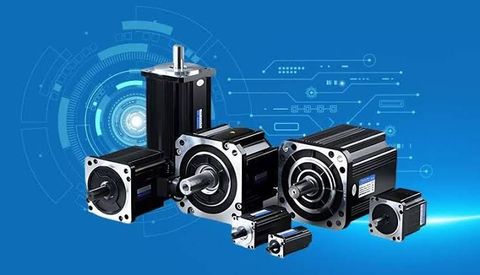
A servo motor is an electric motor used in a motion control system to manage position, speed, or torque. Unlike a conventional motor that may simply rotate when electrical power is supplied, a servo system uses feedback to compare actual movement with the movement requested by a controller.
The system adjusts the motor's operation when a difference is detected. This makes servo motors suitable for machinery that needs repeatable movement, controlled acceleration, and accurate positioning.
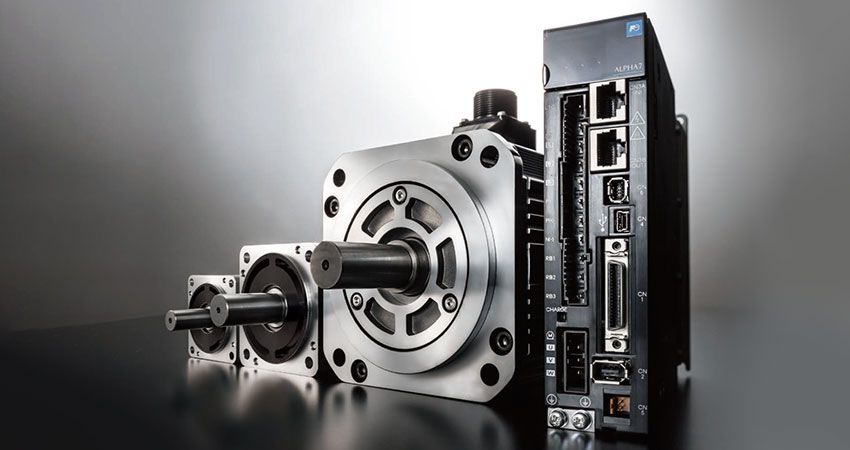
In industrial applications, servo motors commonly work with a servo drive, an encoder, and a machine controller. Together, these components form a closed-loop motion control system.
How Does a Servo Motor Work?
A servo motor operates through a continuous process of receiving commands, producing movement, and checking feedback.
The basic process includes:
Command input: A programmable logic controller (PLC), computer numerical control (CNC) system, or motion controller sends a movement instruction.
Signal processing: The servo drive interprets the command and determines the required electrical output.
Motor movement: The motor converts electrical energy into mechanical rotation or movement.
Feedback measurement: An encoder or another feedback sensor measures the motor's actual position and speed.
Error correction: The drive compares the measured movement with the requested movement and adjusts its output.
This process continues while the motor operates. The system can control position, speed, and torque depending on the machine's requirements.
What Are the Main Components of a Servo System?
A typical industrial servo system contains several connected components.
Servo motor: Produces the mechanical movement required by the machine.
Servo drive: Controls electrical power supplied to the motor.
Encoder: Measures shaft position and movement and sends feedback signals.
Motion controller: Provides movement instructions and coordinates machine operations.
Mechanical load: The machine component or equipment being moved by the motor.
The components must be compatible with one another. Motor specifications, encoder feedback, drive capacity, and controller communication all influence system operation.
Why Are Servo Motors Important in Industrial Equipment?
Industrial machinery often performs repeated movements that must follow specific positions, speeds, and operating sequences. Servo motors help control these movements through feedback and electronic adjustment.
Which Industries Use Servo Motors?
Servo motors are found in several industrial sectors:
Automotive manufacturing: Used in robotic arms, automated assembly equipment, and positioning systems.
Packaging: Control conveyor movements, filling mechanisms, cutting units, and packaging sequences.
CNC machining: Move machine axes and cutting tools according to programmed instructions.
Textile production: Support controlled movement in winding, weaving, and fabric processing equipment.
Printing: Regulate paper movement, roller positioning, and machine synchronization.
Electronics manufacturing: Position small components during assembly and inspection processes.
Warehousing: Operate selected automated handling systems and positioning equipment.
What Problems Can Servo Motors Address?
Servo motors are useful when conventional motor control does not provide the required movement accuracy or response.
For example, a packaging machine may need to stop a conveyor at a specific position before filling a container. A servo system can use encoder feedback to monitor movement and adjust the motor's operation.
Similarly, a CNC machine may need to move a cutting tool along several programmed axes. Servo motors help coordinate these movements according to the machine's instructions.
However, the required performance depends on the complete machine design, motor specifications, drive settings, and mechanical components.
Recent Developments in Servo Motor Technology
Industrial motion control continues to develop through improvements in electronic drives, feedback devices, communication systems, and machine monitoring.
How Is Modern Technology Changing Servo Motors?
Several developments influence the design and operation of modern servo systems:
Advanced encoders: Higher-resolution feedback devices help measure motor position more precisely.
Digital servo drives: Modern drives support configurable control functions and communication with industrial controllers.
Network communication: Protocols such as EtherCAT and PROFINET allow servo systems to exchange information with automation equipment.
Condition monitoring: Monitoring systems can track operating conditions and identify unusual machine behaviour.
Compact motor designs: Smaller motor configurations help equipment designers manage installation space.
Energy management: Improved drive control can help regulate electrical power according to machine movement requirements.
These developments support more connected and coordinated production systems. Their practical advantages depend on equipment compatibility, operating conditions, and the design of the overall automation system.
Servo Motor Safety Standards and Regulations in India
Servo motors are electrical and mechanical components used in industrial environments. Their installation and operation should follow relevant electrical safety, machinery protection, and workplace requirements.
Which Indian Regulations Are Relevant?
Industrial servo motor installations may involve several regulatory frameworks:
Electricity Act, 2003: Establishes the broader legal framework for electricity generation, transmission, distribution, and use.
Central Electricity Authority regulations: Address electrical safety and related technical requirements.
Bureau of Indian Standards (BIS): Publishes standards relevant to electrical equipment, motors, and machinery.
Occupational Safety, Health and Working Conditions Code, 2020: Provides a framework for workplace health and safety.
Factory safety requirements: Applicable factory rules and workplace procedures address machinery protection and safe operating conditions.
The exact requirements depend on the installation, industry, equipment category, and applicable rules.
What Safety Checks Should Be Considered?
Before operating industrial servo equipment, technical teams should examine:
Electrical connections, grounding, and insulation.
Motor and servo drive compatibility.
Cooling arrangements and ventilation.
Encoder connections and feedback signals.
Emergency stop and machine safety circuits.
Mechanical mounting and shaft alignment.
Manufacturer instructions and maintenance records.
Only appropriately trained personnel should install, configure, inspect, or maintain industrial servo systems.
Types of Servo Motors and Their Applications
Servo motors are classified according to their electrical design, construction, and movement requirements. Understanding these categories helps explain their different roles in industrial equipment.
What Are the Main Types of Servo Motors?
Servo motor type | Main characteristics | Common applications |
|---|---|---|
AC servo motor | Uses alternating current and electronic drive control | CNC machines and industrial automation |
DC servo motor | Operates using direct current | Robotics and selected positioning systems |
Brushless DC servo motor | Uses electronic commutation instead of mechanical brushes | Automated machinery and robotics |
Brushed DC servo motor | Uses brushes and a commutator | Selected control and positioning equipment |
Linear servo motor | Produces direct linear movement | Precision positioning and automated production |
AC brushless servo motors are widely used in industrial motion control. DC servo motors remain relevant in particular applications, depending on power, control, and equipment requirements.
AC Servo Motor vs DC Servo Motor
Comparison | AC servo motor | DC servo motor |
|---|---|---|
Power supply | Alternating current | Direct current |
Construction | Commonly brushless | Brushed or brushless designs |
Control | Electronic servo drive | Suitable DC servo controller |
Maintenance | Brushless designs require less brush maintenance | Brushed designs need brush inspection |
Applications | Industrial automation and CNC equipment | Robotics and selected control systems |
Servo Motor vs Stepper Motor: What Is the Difference?
Servo motors and stepper motors are both used for controlled movement, but their control methods differ.
A servo motor generally uses feedback to monitor actual movement and correct deviations. A conventional open-loop stepper system moves through defined steps without continuously checking shaft position.
Feature | Servo motor | Stepper motor |
|---|---|---|
Feedback | Commonly uses encoder feedback | Often operates without feedback |
Movement | Controlled through closed-loop systems | Moves in defined steps |
Speed behaviour | Suitable for dynamic speed control | Performance depends on step rate and load |
Typical applications | CNC axes and robotics | Small positioning systems and selected automation equipment |
The appropriate choice depends on movement accuracy, load, speed, control requirements, and machine design.
Tools and Resources for Understanding Servo Motors
Technical references can help engineers and equipment planners understand motor specifications and control requirements.
Which Resources Help With Servo Motor Selection?
Common resources include:
Bureau of Indian Standards: Information about applicable Indian electrical and machinery standards.
Bharat Skills: Educational material covering electrical equipment and servo motor fundamentals.
Manufacturer datasheets: Technical details about rated torque, speed, voltage, current, and encoder specifications.
Servo drive manuals: Instructions for installation, configuration, wiring, and troubleshooting.
Motor sizing calculators: Tools for estimating torque, inertia, speed, and power requirements.
PLC and CNC documentation: Information about controller compatibility and motion communication.
Before selecting a motor, technical teams should compare its rated and peak torque, operating speed, feedback resolution, mounting dimensions, and environmental protection rating.
Frequently Asked Questions About Sarvo Motor
1. What Is a Sarvo Motor Used For?
A Sarvo Motor, commonly called a servo motor, controls movement in machinery that requires accurate positioning, speed regulation, or torque control.
2. What Are the Main Types of Servo Motors?
Common types include AC servo motors, DC servo motors, brushless DC servo motors, brushed DC servo motors, and linear servo motors.
3. What Is the Difference Between a Servo Motor and a Normal Motor?
A servo motor operates as part of a feedback-based control system, while a conventional motor may operate without continuous position feedback.
4. Why Is an Encoder Used in a Servo Motor?
An encoder measures motor shaft movement and sends feedback to the servo drive, helping the system adjust its operation.
5. Where Are Industrial Servo Motors Commonly Used?
They are used in CNC machines, robotic systems, packaging equipment, printing machinery, textile production, and automated manufacturing lines.
Conclusion
A Sarvo Motor, more commonly written as servo motor, is an important part of industrial motion control. Its feedback-based operation allows machinery to manage position, speed, and torque according to programmed requirements. AC, DC, brushless, and linear designs serve different equipment applications. Understanding motor specifications, drive compatibility, feedback systems, and safety requirements provides a useful foundation for evaluating industrial servo equipment.

Related Post...

Maritime Equipment Supplier Complete Advice to Modern Marine Industry Solutions
Updated: November 23, 2026
Read More
The Leela Explained: Discover the Luxury, Comfort, and Hospitality Behind Its Hotels
Updated: November 21, 2026
Read More
Cruise Booking Tips: Discover Memorable Journeys Across the Seas
Updated: November 23, 2026
Read More