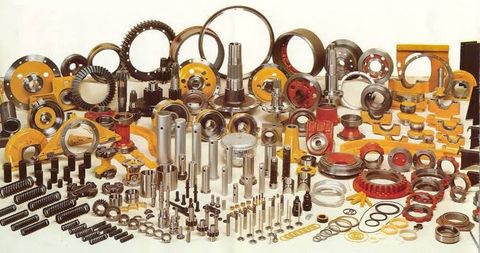
Valve and Pump Manufacturing Complete Guide to Modern Industrial Flow Systems
Modern industries depend on carefully designed equipment to move and control liquids, gases, chemicals, and other process materials. Two of the most important components in these systems are valves and pumps.
Pumps move fluids from one location to another, while valves regulate, direct, or stop that flow whenever needed. Together, they form the foundation of many industrial operations. Valve and Pump Manufacturing combines engineering, precision machining, quality inspection, and automation to produce these essential components for a wide range of industries.
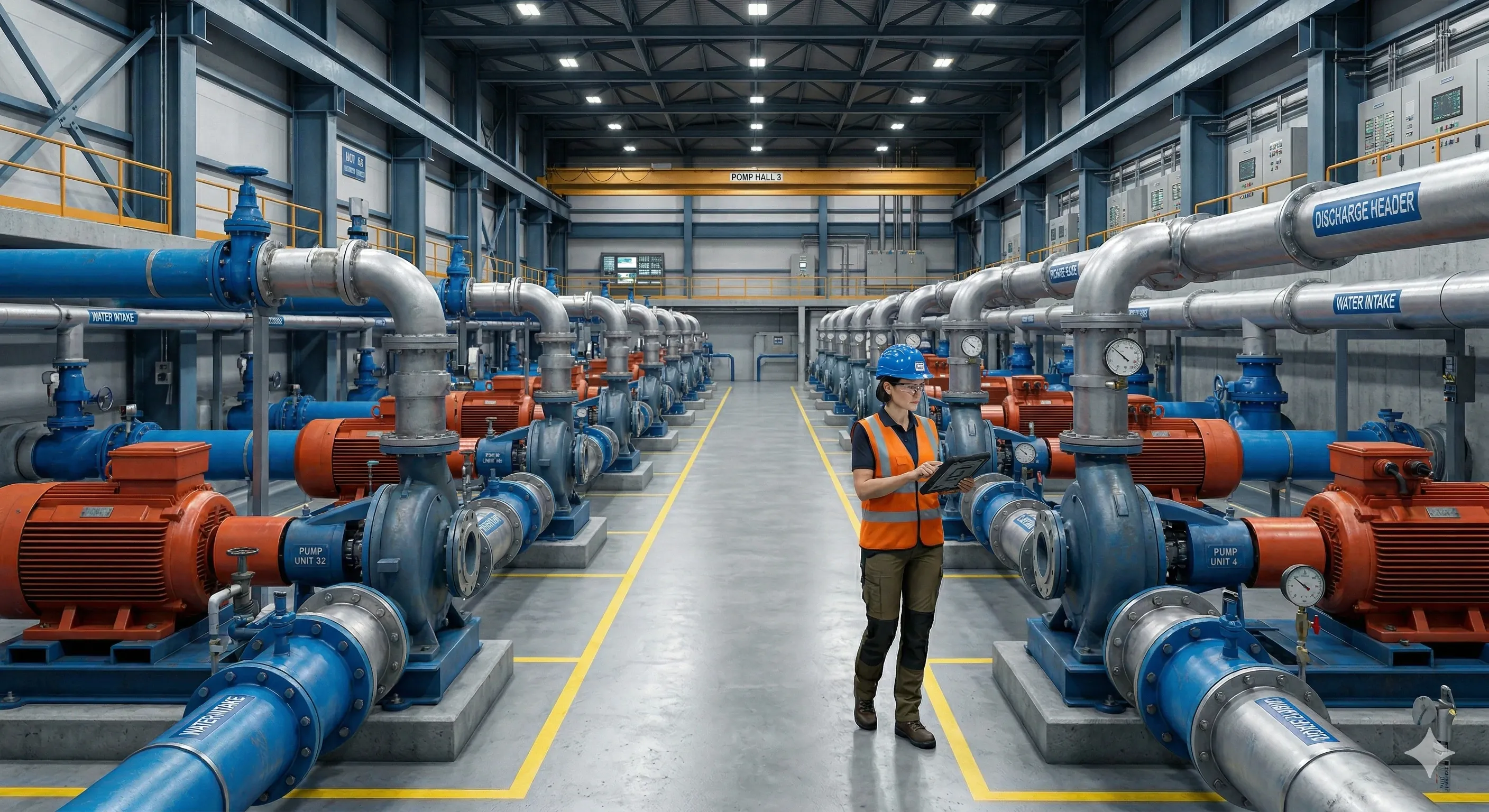
As manufacturing technology continues to evolve, valves and pumps are becoming smarter, more efficient, and easier to monitor. Digital sensors, automated controls, and advanced materials are helping industries improve operational reliability while supporting safer and more consistent production.
This guide explains Valve and Pump Manufacturing, the production process, common equipment, important technologies, quality practices, maintenance, safety considerations, and future developments shaping modern industrial flow systems.
What Is Valve and Pump Manufacturing?
Valve and Pump Manufacturing is the process of designing, machining, assembling, testing, and inspecting valves and pumps used in industrial flow systems. These components help transport and regulate fluids in pipelines, processing facilities, production plants, and utility networks.
Although valves and pumps often work together, they perform different functions.
A pump creates the force needed to move fluids through a system, while a valve controls how, when, and where that fluid flows.
These products are widely used in:
Water treatment facilities
Manufacturing plants
Chemical processing
Food production
Pharmaceutical facilities
Power generation
Mining operations
Marine engineering
Oil and gas processing
Heating and cooling systems
Each application requires equipment designed for different pressures, temperatures, and operating environments.
Why Valve and Pump Manufacturing Matters
Reliable flow systems are essential for efficient industrial operations. Properly manufactured valves and pumps help maintain steady production while protecting equipment and supporting safe operation.
Their importance includes:
Controlling fluid movement
Regulating system pressure
Supporting continuous production
Protecting connected equipment
Improving operational efficiency
Maintaining process consistency
These functions make valves and pumps essential components across modern industries.
How Valves and Pumps Work Together
Industrial flow systems rely on coordination between pumps and valves.
A pump moves fluid through pipes by generating pressure or flow. Valves then regulate the direction, volume, or pressure of that moving fluid according to system requirements.
Working together, they help maintain stable operating conditions throughout industrial facilities.
Types of Industrial Valves
Different valve designs support different flow control requirements.
Ball Valves
Ball valves use a rotating ball with a central opening to quickly start or stop fluid movement.
Gate Valves
Gate valves isolate flow by raising or lowering an internal gate.
Globe Valves
Globe valves regulate flow with greater precision in applications requiring adjustment.
Butterfly Valves
Butterfly valves use a rotating disc inside the pipeline and are commonly selected for larger pipe systems.
Check Valves
Check valves prevent reverse flow that could affect pumps or other connected equipment.
Common Pump Types
Industrial facilities use several pump designs depending on operating conditions.
Centrifugal Pumps
These pumps use rotating impellers to move fluids efficiently through pipelines.
Positive Displacement Pumps
These pumps move a fixed amount of fluid during each operating cycle and are suitable for thicker liquids.
Diaphragm Pumps
Diaphragm pumps use flexible diaphragms to move fluids while minimizing leakage.
Gear Pumps
Gear pumps use rotating gears to transfer fluids with consistent flow characteristics.
Manufacturing Process
Producing valves and pumps involves several carefully controlled stages.
Engineering Design
Engineers develop digital models using computer-aided design (CAD) software to define dimensions, material specifications, and operating requirements.
Material Selection
Manufacturers select materials according to pressure, temperature, corrosion resistance, and durability requirements.
Common materials include:
Carbon steel
Stainless steel
Cast iron
Bronze
Brass
Aluminum
Alloy steel
Engineering polymers
Precision Machining
Components are produced using advanced manufacturing methods such as:
CNC milling
CNC turning
Drilling
Grinding
Thread machining
These processes help achieve accurate dimensions and proper component fit.
Assembly
Mechanical parts, seals, bearings, shafts, impellers, and valve components are assembled into complete products.
Testing and Inspection
Finished equipment undergoes dimensional inspection, pressure testing, operational verification, and performance evaluation before entering industrial applications.
Technologies Supporting Modern Manufacturing
Modern production facilities increasingly use advanced digital technologies.
Examples include:
Computer Numerical Control (CNC)
Industrial Internet of Things (IIoT)
Smart sensors
Automated inspection systems
Robotics
Artificial intelligence-assisted monitoring
Digital quality measurement
Real-time production monitoring
These technologies improve manufacturing accuracy and production consistency.
Valve and Pump Manufacturing Overview
| Component | Primary Function |
|---|---|
| Ball Valve | Controls flow quickly |
| Gate Valve | Isolates pipeline flow |
| Globe Valve | Regulates flow |
| Check Valve | Prevents reverse flow |
| Centrifugal Pump | Moves fluids continuously |
| Positive Displacement Pump | Transfers fixed fluid volume |
Quality Control
Quality inspection helps ensure reliable equipment performance.
Common inspection activities include:
Dimensional measurement
Pressure testing
Leak inspection
Material verification
Surface finish evaluation
Functional performance testing
These checks help confirm that components meet engineering specifications.
Maintenance Considerations
Routine maintenance supports dependable equipment operation.
Typical activities include:
Inspecting seals
Monitoring vibration
Checking bearings
Verifying alignment
Reviewing pressure readings
Cleaning internal components
Monitoring operating performance
Regular inspections help identify wear before it affects production.
Safety Considerations
Working with industrial flow systems requires careful planning and attention.
Important practices include:
Following operating procedures
Inspecting equipment regularly
Monitoring pressure levels
Using protective equipment
Maintaining accurate inspection records
Confirming proper installation
These measures help support safe industrial environments.
Current Industry Trends
Valve and pump manufacturing continues evolving through innovation.
Recent developments include:
Smart monitoring systems
Predictive maintenance
Digital twin technology
Connected manufacturing
Advanced corrosion-resistant materials
Energy-efficient equipment designs
Automated production systems
These technologies improve operational visibility and support efficient production.
Looking Ahead
Future developments are expected to strengthen automation, intelligent monitoring, and connected industrial systems. Improved sensors, advanced data analysis, and digital maintenance tools will help organizations monitor equipment more effectively while supporting reliable production across many industries.
Why Understanding Valve and Pump Manufacturing Matters
Learning about Valve and Pump Manufacturing helps explain how industries move and control fluids safely and efficiently. From water treatment facilities and manufacturing plants to energy production and chemical processing, these components work together to support dependable industrial operations.
Understanding their design, manufacturing methods, and maintenance practices also highlights the importance of precision engineering in modern production systems.
Conclusion
Valve and Pump Manufacturing combines engineering, precision machining, quality inspection, and digital technology to create essential components used in industrial flow systems. By producing reliable valves and pumps that regulate and transport fluids, manufacturers support efficient operations across numerous industries. As automation and intelligent manufacturing continue advancing, these technologies will remain central to modern industrial infrastructure.

Related Post...

Explore How Sheet Cutting Machines Help Achieve Clean and Accurate Cuts
Updated: September 22, 2026
Read More
Discover the VinFast VF 6 and the Future of Electric Urban Mobility
Updated: September 28, 2026
Read More